🌟 在 Anpip.com 上發現真正的連接! 🌟
尋找實時聊天, 聊天輪盤, 視訊通訊, 溪流, and exciting ways to earn gifts? 安皮網 是你的最終目的地! Join us now to expand your social network and connect with like-minded individuals in a fun online environment.
Ready to ignite new friendships and experiences? 訪問 安皮網 today and start your journey towards meaningful connections and endless possibilities! 🚀
Understanding Society
Society is a complex network of individuals sharing common culture, 價值觀, and norms within a specific geographical area. It serves as a platform for social interactions, 關係, and the establishment of social structures based on traditions and customs. Through society, individuals form a collective identity, navigate societal dynamics, and contribute to the common welfare of the community.
Definition of society
Society, 本質上, refers to a group of individuals who share a common culture, 價值觀, and norms within a specific geographical area. It comprises people interacting with one another, forming relationships, and establishing social structures based on traditions and customs. Society can also be seen as a network where members coexist, cooperate, and collaborate to achieve common goals. 此外, 社會 is not just a random collection of people but rather a structured system that regulates behaviors, 信仰, and interactions among its members.
更深入研究, 社會 encompasses various institutions such as family, 教育, 政府, and economy that play pivotal roles in shaping individuals and maintaining order. It provides a platform for individuals to express their identities, fulfill their needs, and contribute to the collective welfare. Society sets guidelines for acceptable behavior, defines roles and responsibilities, and establishes a sense of belonging for its members, fostering a shared sense of identity and connection.
而且, 社會 acts as a microcosm of the broader world, reflecting diversity, 複雜, and interdependence among its members. It showcases the dynamics of human interactions, hierarchies, and divisions based on factors like class, 性別, 種族, and religion. 透過鏡頭 社會, one gains insights into social structures, 權力動態, and the evolution of norms that govern communal conduct. Society serves as a mirror that reflects the values, 信仰, and aspirations of its constituents, shaping their collective consciousness and worldview.
社會 encapsulates the fabric of human civilization, embodying shared experiences, collective aspirations, and interconnected destinies. It symbolizes the essence of human interactions, 關係, and communities that transcend individual existence, giving rise to a cohesive social order that binds people together in a web of mutual dependence and mutual support.
Importance of society in human lives
意義 社會 in human lives cannot be overstated, as it serves as the bedrock upon which individuals establish their identities, 形成關係, and navigate the intricacies of social existence. Society plays a crucial role in shaping one’s worldview, 價值觀, and behavior through interactions with diverse groups, exposure to varying perspectives, and adherence to shared norms.
而且, 社會 provides a framework for socialization, 教育, and cultural exchange, enabling individuals to acquire knowledge, 技能, and experiences that contribute to personal growth and development. It exposes individuals to societal norms, 傳統, and practices that guide their actions, 決定, and interactions within the communal context.
此外, 社會 促進協作, 合作, and mutual support among its members, 培養社區意識, 團結, and belonging that enhances individual well-being and collective resilience. It creates avenues for social mobility, 經濟機會, and cultural enrichment, offering avenues for personal fulfillment, 社會融合, and emotional support within the social fabric.
此外, 社會 acts as a catalyst for social change, 進步, and innovation by encouraging experimentation, 多樣性, and adaptability in response to evolving needs and challenges. It promotes inclusivity, 公平, and justice by advocating for the rights and welfare of all individuals, regardless of their background, status, or beliefs, fostering a sense of fairness, 平等, and respect in interpersonal relationships.
本質上, 社會 serves as a cornerstone of human existence, embodying shared values, collective aspirations, and interdependent relationships that enrich the lives of individuals, strengthen communities, and shape the course of history. It fosters a sense of belonging, 目的, and identity among its members, nurturing the human spirit, 彈性, and capacity for empathy that define our shared humanity.
Historical Perspectives on Society
The evolution of societal structures throughout history has been marked by significant transitions, from nomadic tribes to complex civilizations and from feudalism to capitalism. Key historical events, such as the abolishment of slavery, the suffragette movement, the Civil Rights Movement, and the fall of the Berlin Wall, have shaped societies by challenging social norms, promoting equality, and redefining geopolitical boundaries. These historical perspectives on society offer valuable insights into the dynamic nature of human civilizations and the resilience of communities in adapting to change.
Evolution of Societal Structures
Historical perspectives on 社會 reveal a fascinating journey of 演化 in societal structures. 幾個世紀以來, societies have transitioned from nomadic tribes to complex civilizations, showcasing the resilience and adaptability of human communities. The shift from hunter-gatherer societies to agrarian settlements marked a pivotal moment in societal organization, enabling the development of cities and social hierarchies.
One significant example of the 演化 of societal structures is the transition from feudalism to capitalism during the Industrial Revolution. This shift revolutionized economic systems, altered power dynamics, and transformed the fabric of 社會. The emergence of industrialized nations led to urbanization, the rise of the middle class, and the formation of new social classes based on wealth and occupation.
Key Historical Events Shaping Societies
Numerous key historical events have profoundly shaped 社團 遍佈全球. The abolishment of slavery, exemplified by the American Civil War and subsequent Emancipation Proclamation, drastically altered social norms and values, impacting generations to come. The suffragette movement in the early 20th century paved the way for women’s rights, influencing social structures and challenging traditional gender roles.
Another pivotal historical event that shaped 社團 was the Civil Rights Movement in the United States during the 1960s. This movement, led by iconic figures like Martin Luther King Jr., aimed to end racial segregation and discrimination, fostering a more inclusive and equitable 社會. The fall of the Berlin Wall in 1989 symbolized the end of the Cold War era, redefining geopolitical boundaries and reshaping global societal structures.
這 演化 of societal structures and key historical events are intricately intertwined, reflecting the dynamic nature of human civilizations. These transformative moments have left indelible marks on 社會, shaping values, 信仰, and principles for generations to come.

Current Trends in Society
Technological advancements are shaping current trends in society, impacting demographics and reshaping traditional norms. The integration of AI, 物聯網, and other emerging technologies is revolutionizing communication, 衛生保健, and various industries. As demographics change with the influence of millennials and digitalization, organizations must adapt to new consumer behaviors and workforce dynamics to stay relevant in today’s society.
Impact of Technology on Society
Technology has revolutionized every aspect of society from communication to healthcare. Innovations like 人工智慧, 這 物聯網, 和 擴增實境 are shaping our future. 的整合 5G網路 和 區塊鏈 technology is enhancing connectivity and security measures globally. 而且, technologies like 量子計算 和 生物技術 are pushing the boundaries of what was once thought possible.
進步 網路安全 play a vital role in safeguarding sensitive information against cyber threats. 技術如 機器人 和 雲 are streamlining processes and increasing efficiency in various industries. 此外, 虛擬實境 is transforming the way we interact with our environment, offering immersive experiences in fields like entertainment and education.
For more detailed information on the impact of technology on society, 你可以閱讀有關 新興技術 that are influencing our lives.
Changing Demographics in Modern Society
Demographic changes bring about shifts in population dynamics and societal structures. The growing influence of 千禧世代 as the largest adult generation is reshaping consumer preferences and workforce trends. 此外, the transition towards more diverse family structures is altering traditional social norms and values.
隨著科技的進步, 數位化 plays a crucial role in modern demographics, influencing how people interact, 工作, and consume information. The adaptation to digital platforms is essential for businesses to reach a broader audience and cater to changing consumer behaviors. 而且, the aging population presents unique challenges and opportunities for healthcare systems and retirement planning.
通過了解 intersection of demographics and technology, policymakers and organizations can address the needs of diverse age groups 有效地. Leveraging demographic insights can help in guiding strategic decisions related to product development, 行銷策略, and social welfare programs.
For additional insights on demographic changes and their impact on society, 你可以探索 technological adoption and growth and the implications of digitalization and eco-innovations in today’s world.
Challenges Facing Society
Inequality and environmental issues are two significant challenges facing modern societies. 是的, inequality within societies affects various aspects such as income, 性別, and ethnicity, requiring measures like progressive tax systems and equal access to education to address. 此外, environmental challenges like climate change threaten societal well-being by impacting food security, 健康, 和基礎設施, necessitating the transition to renewable energy and sustainable waste management practices to mitigate these consequences.
Inequality within societies
在 modern societies, one of the greatest challenges lies in addressing inequality. This issue is not solely about income but also encompasses aspects like 性別, 年齡, 種族, and disability. Factors such as domestic policies 和 經濟穩定 significantly contribute to these disparities. To bridge this gap, countries must focus on implementing redistributive fiscal policies and regulating labor and product markets.
Addressing inequality is crucial to fostering a fair and inclusive society where every individual has equal opportunities to thrive. 至關重要的是 ensure balanced development that benefits all segments of the population. 經過 tailoring solutions to the unique needs of each region, countries can effectively combat inequality while promoting a more sustainable and equitable society.
Steps to Tackle Inequality:
- Implement progressive tax systems: Redistribute wealth to support the marginalized.
- Promote equal access to education: Provide quality education to all sections of society.
- Enforce anti-discrimination laws: Ensure fair treatment regardless of background.
- Encourage female empowerment: Create opportunities for women in all spheres of society.
- Enhance social welfare programs: Support those in need and reduce disparities.
For more detailed insights on reducing inequality, consider exploring European Cooperation guide to address inequalities effectively.
Environmental issues affecting societal well-being
Environmental challenges pose a significant threat to societal well-being and must be tackled urgently. Climate change impacts disrupt various systems crucial for human survival, including food security, 基礎設施, 和健康. 這 uneven distribution of these effects worldwide exacerbates the vulnerability of certain regions, highlighting the necessity for global cooperation.
Climate change not only affects the environment but also has direct consequences on human health, energy sources, and transportation networks. 為了保障 societal well-being, proactive measures must be taken to mitigate these consequences and ensure a 永續的未來 for generations to come. 透過推廣 環保意識 and adopting 綠色實踐, societies can strive towards a healthier and more resilient future.
Strategies to Address Environmental Issues:
- Transition to renewable energy sources: Reduce reliance on fossil fuels to combat climate change.
- Implement sustainable waste management: Minimize environmental pollution and promote recycling.
- Protect biodiversity: Conserve ecosystems to maintain the balance of nature.
- Promote eco-friendly practices: Encourage sustainable living habits among individuals and communities.
- Support environmental policies: Advocate for regulations that safeguard the environment and public health.
有關詳細信息 climate impacts, 探索 US EPA’s Climate Impacts on Society 資源.
Solutions for a Better Society
Promoting inclusivity and diversity through training programs, 招募策略, cultural events, and open dialogues fosters a more harmonious and respectful society. Implementing sustainable practices such as renewable energy sources, circular economy methods, and social welfare programs can help in combating climate change, 減少浪費, and addressing inequalities. By actively engaging in these initiatives and collaborations, societies can work towards a better future that prioritizes environmental preservation, 社會公平, and economic prosperity.
Promotion of inclusivity and diversity
在當今社會, promoting inclusivity and diversity is crucial for creating a harmonious environment where everyone feels valued and respected. 實施 多元化培訓計劃 in workplaces can help employees understand different perspectives and bridge cultural gaps, leading to a more inclusive atmosphere. 此外, diversifying recruitment strategies to actively attract a wide range of candidates can ensure equal opportunities for all individuals regardless of their backgrounds.
鼓舞人心 公開對話 about diversity and inclusion can foster greater understanding and empathy among community members. By organizing events that highlight cultural celebrations and traditions, societies can promote a sense of unity and appreciation for various cultural backgrounds. Leveraging platforms like social media to raise awareness about diversity issues can also ignite meaningful conversations and drive positive change.
另外, mentoring programs that pair individuals from different backgrounds can facilitate 知識交流 和 相互學習, contributing to a more inclusive society. 倡議 包容性政策 in educational institutions and workplaces can create a supportive environment where diverse perspectives are embraced and celebrated. It is essential to recognize that diversity is not just a checkbox but a core value that enriches society.
Implementing sustainable practices in society
The transition to sustainability is paramount for the well-being of our planet and future generations. 擁抱 再生能源 like solar and wind power is a critical step towards reducing our carbon footprint and combating climate change. 透過投資 綠色基礎設施 and eco-friendly technologies, societies can move towards a more sustainable future that promotes environmental preservation and conservation efforts.
此外, adopting circular economy practices that prioritize reusing and recycling materials can minimize waste generation and promote 資源效率. 鼓舞人心 environmentally conscious consumer behavior through education and awareness campaigns can inspire individuals to make sustainable choices in their daily lives. Companies can also play a significant role by implementing environmental policies and practices that align with sustainable development goals.
推廣 social sustainability involves addressing inequalities 和 improving well-being 社區內. By supporting social welfare programs and initiatives that empower marginalized groups, societies can strive towards creating a more inclusive and equitable environment for all. 政府間合作, 企業, and civil society is essential in driving 永續發展, shaping a future where economic prosperity is balanced with social and environmental responsibility.
🚀 準備好聯繫並贏得禮物? 訪問 安皮網 現在!
體驗實時聊天, 聊天輪盤, 視訊通訊, 溪流, 以及更多內容請造訪 Anpip.com. 立即加入,擴展您的社交網絡,並在有趣的線上環境中找到真正的聯繫. 點選 這裡 to learn more and start connecting! 🔥
Impact of Education on Society
Promoting education leads to economic prosperity, social equality, healthcare advancements, environmental sustainability, and global competitiveness, creating a more inclusive and innovative society.
Role of education in shaping societies
Education is the cornerstone of shaping societies, dictating the direction in which a community progresses. It imparts not merely knowledge but also 批判性思維 和 解決問題的能力 that are essential for addressing societal challenges. When individuals are educated, they become empowered to contribute positively to their communities.
1. Transformation of Values and Norms: Education plays a pivotal role in transforming societal values, 鼓勵同理心, 尊重, and tolerance among individuals. 這, 反過來, fosters a culture of understanding and cooperation within societies.
2. Social Mobility: 通過 教育, individuals can break free from the shackles of poverty and inequality, providing them with the opportunity to elevate their social status and contribute meaningfully to the growth of society.
3. Strengthening Communities: Educated individuals are more likely to engage in 社區發展項目 and initiatives that benefit the wider society, leading to a more cohesive and vibrant community.
4. Shaping Future Leaders: Education nurtures the leaders of tomorrow, instilling them with the necessary 技能, 知識, 和 價值觀 to lead societies towards progress and prosperity.
5. Eradicating Ignorance: Education is a powerful tool in eliminating ignorance and misconceptions within societies, promoting a culture of enlightenment and awareness.
Promoting education for a better future
Promoting education is crucial for ensuring a brighter tomorrow, where individuals are equipped with the skills and knowledge necessary to thrive in an ever-evolving world. Education acts as a catalyst for societal progress, 經濟成長, and individual fulfillment.
1. 經濟繁榮: Investing in education leads to 經濟繁榮 by creating a skilled workforce, 促進創新, and driving technological advancements that benefit society as a whole.
2. Social Equality: Education promotes social equality by providing opportunities for all individuals, regardless of their background, to access quality education and realize their full potential.
3. Healthcare Advancements: Educated societies are more likely to experience improvements in 衛生保健, with individuals possessing the knowledge to make informed decisions regarding their health and well-being.
4. 環境永續發展: 教育在其中發揮著至關重要的作用 promoting environmental sustainability, as educated individuals are more aware of the impact of human actions on the environment and are more likely to advocate for sustainable practices.
5. Global Competitiveness: Nations that prioritize education are better positioned to compete globally, with a skilled workforce that can adapt to changing market demands and contribute to the advancement of society on a global scale.
Key Facts Table:
| Education Impact on Society | |
|---|---|
| Role | Shaping societal values, fostering social mobility, strengthening communities, shaping future leaders, eradicating ignorance |
| 好處 | Economic prosperity, social equality, healthcare advancements, environmental sustainability, global competitiveness |
| 關鍵方面 | Empowerment of individuals, enhancement of societal progress and well-being, creation of a more informed and connected community |
By promoting education, societies can unlock a wealth of opportunities and potential, creating a more inclusive, 創新的, and prosperous future for all.
Role of Government in Shaping Society
這 Government 起著至關重要的作用 shaping society through its 政策 and initiatives aimed at fostering development and well-being. 透過實施 政策 that address key societal issues, the Government can significantly impact the 進步 和 方向 of a society.
Policies impacting societal development
-
Education Policies: Governments can shape society by enacting robust education policies that ensure 平等機會 to quality education for all citizens. By investing in education, the Government can empower individuals to contribute meaningfully to society.
-
Healthcare Policies: 實施 healthcare policies 優先考慮 affordability 和 可及性 to healthcare services can improve the overall well-being of the population. Universal healthcare initiatives can promote a healthier and more productive society.
-
Economic Policies: Government can influence societal development through economic policies 專注於 創造就業機會, income equality, 和 poverty reduction. 透過培養一個 thriving economy, the Government can uplift the standard of living for its citizens.
-
Environmental Policies: Governments can contribute to societal well-being by enacting environmental policies 促進 永續性 和 環境保護. 透過尋址 氣候變遷 和 污染, the Government can create a healthier environment for current and future generations.
Government initiatives for societal well-being
-
Social Welfare Programs: Governments can promote societal well-being through social welfare programs 例如 unemployment benefits, food assistance, 和 housing subsidies. These initiatives provide a 安全網 for vulnerable populations and contribute to social cohesion.
-
Infrastructure Development: 透過投資 基礎設施, the Government can enhance societal well-being by improving 運輸, 溝通, 和 public services. Infrastructure development fosters economic growth and enhances the overall quality of life for citizens.
-
Public Health Campaigns: Government initiatives focusing on 公共衛生 can greatly impact societal well-being. 通過 health awareness campaigns, vaccination drives, 和 disease prevention programs, the Government can improve the health outcomes of the population.
-
Community Engagement Programs: Governments can shape society by implementing community engagement programs that foster social inclusion 和 citizen participation. 透過鼓勵 社區參與 在決策過程中, the Government can create a more engaged and cohesive society.
| Policies Impacting Societal Development | Government Initiatives for Societal Well-being |
|---|---|
| Education Policies | Social Welfare Programs |
| Healthcare Policies | Infrastructure Development |
| Economic Policies | Public Health Campaigns |
| Environmental Policies | Community Engagement Programs |
透過關注這幾個方面, the Government can effectively shape 社會 並做出貢獻 positive societal transformation.
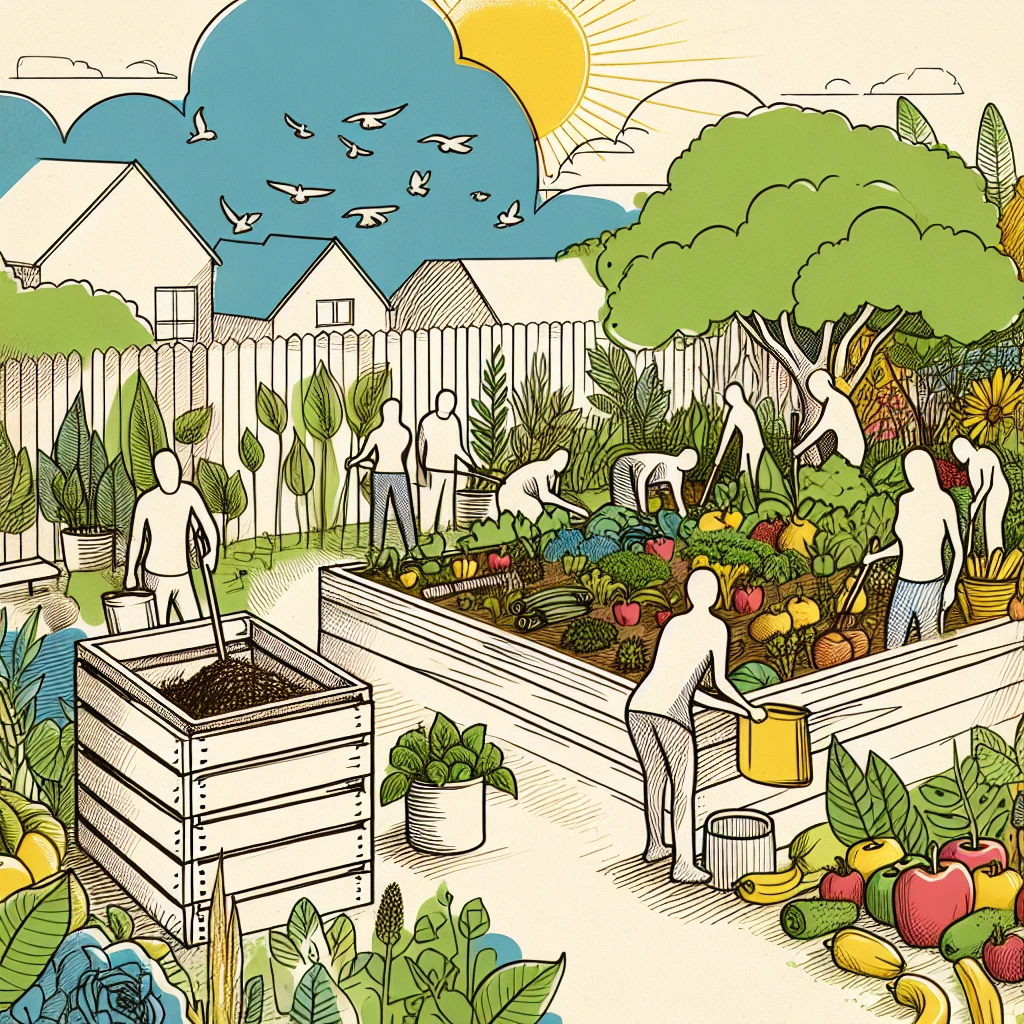
Case Studies of Successful Societal Transformations
韓國, Rwanda, Iceland, Cuba, and Germany are examples of societies that have successfully undergone positive changes through economic growth, 和解, 性別平等, healthcare improvements, and reunification efforts. Key lessons learned from these transformations include the importance of persistence, 包容性政策, 教育, transparent governance, 適應性, 社區參與, 全球合作, and upholding a strong value system. These cases showcase the power of long-term dedication, 創新, environmental focus, and the value of empathy in driving societal progress and creating a sustainable future for all.
Examples of societies that have undergone positive changes
-
South Korea’s Economic Miracle: South Korea transformed from a war-torn nation to an economic powerhouse in just a few decades, 驅動於 創新 和技術進步.
-
Rwanda’s Rebirth: After the devastating genocide in 1994, Rwanda focused on 和解 和 統一, leading to significant improvements in healthcare and infrastructure.
-
Women’s Rights in Iceland: Iceland’s proactive approach to 性別平等 resulted in making it the most gender-equal country globally, setting a benchmark for other nations.
-
Cuba’s Healthcare System: Cuba’s emphasis on universal healthcare has resulted in commendable health outcomes and a strong focus on preventive medicine.
-
Germany’s Reunification: The reunification of East and West Germany showcased the power of 外交 和 合作, leading to a unified and thriving nation.
Lessons learned from successful societal transformations
-
Persistence Pays Off: Long-term dedication to a 想像 is crucial for sustainable societal changes; maintaining focus despite challenges is key.
-
Inclusive Policies: 實施 包容性 policies that consider all segments of society can lead to holistic and lasting transformations.
-
教育: 確定優先順序 教育 empowers individuals and drives overall societal progress, creating a more informed and skilled population.
-
Transparent Governance: 建立 透明的 governance structures fosters trust among citizens, leading to increased participation and cooperation.
-
適應性: Being open to 改變 and adapting to evolving circumstances enables societies to address new challenges effectively.
-
**社區參與: Involving communities in decision-making processes strengthens 社會凝聚力 and ensures sustainable transformation.
-
全球合作: 協作 國際化 amplifies the impact of societal changes and fosters a sense of global responsibility.
-
Value System: Upholding a strong value system rooted in ethics and social responsibility guides societies towards positive transformations.
| 經驗教訓 | 描述 |
|---|---|
| Value of Empathy | Cultivating empathy drives societal empathy, nurturing a culture of understanding. |
| 創新 | Embracing innovation fuels progress and encourages continuous societal advancements. |
| Environmental Focus | Prioritizing the environment ensures a sustainable future for generations to come. |
For more detailed insights into collective transformations, 探索 30 專家’ perspectives on social change.

Implementing Change in Society
Implementing change in society requires individuals to take proactive steps towards positive transformation through various impactful strategies and collaborative initiatives.
Strategies for Individuals to Contribute to Societal Betterment
In today’s rapidly changing world, individuals play a crucial role in fostering positive change within society. 一個有效的策略是 志工服務 within local communities, offering support to vulnerable groups and enhancing the overall quality of life. Another impactful way is through 宣傳 和 提高認識 on pressing social issues, empowering others to take action and create meaningful transformations.
此外, investing time in education not only enriches personal growth but also equips individuals with the knowledge and skills needed to drive societal progress. 經過 mentoring and inspiring younger generations, individuals can shape future leaders and instill a culture of empathy and social responsibility. Eco-friendly practices and sustainable living choices also contribute significantly to a healthier and more sustainable society.
Collaborative Efforts for Societal Progress
Collaboration is key to achieving substantial and lasting societal progress. 通過培養 cross-sector partnerships between government, 非營利組織, and private entities, a collective impact can be established, maximizing resources and expertise for the greater good. Joint initiatives focusing on healthcare accessibility, poverty alleviation, and environmental conservation can yield impactful results that benefit society as a whole.
大樓 community networks 和培養 對話 among diverse groups can lead to innovative solutions and inclusive policies that address the multifaceted challenges faced by society. 強調 共同的價值觀 and common goals creates a sense of unity and purpose, driving collaborative efforts towards sustainable development and social equity. 它是透過 合作 和 團結 that profound societal transformations can be accomplished.
External Links
-
欲了解更多詳細信息 志工服務 和 社區影響, 探索 4 Small Ways to Make a Big Social Change Impact.
-
Discover innovative approaches to 宣傳 和 社區參與 透過 10 Ways People Power Can Change the World – MobLab.
-
Uncover the power of 教育 和 individual contributions to society in How each individual can contribute to society?.
-
了解更多關於 sustainable living practices 和 環境影響 在 4 Ways to Be Useful and Help Contribute to Society.
The Future of Society
The future of society will be shaped by advancements in technology, climate change impacts, 和人口變化. Artificial intelligence and technology integration will optimize processes, while sustainability efforts will prioritize renewable energy and eco-friendly policies. Demographic changes like aging populations will lead to adjustments in healthcare systems and retirement planning.
Predictions for the future of societies
In the ever-evolving landscape of societal dynamics, several predictions can shape the future. 首先, 方面的進步 技術 will continue to revolutionize how societies function, impacting industries, 教育, 和溝通. 第二, 氣候變遷 will drive a shift towards sustainability, prompting nations to adopt greener policies and practices to combat environmental challenges. 最後, demographic changes such as aging populations and migration patterns will influence societal structures and workforce dynamics.
預測:
- Technology Advancements: 人工智慧 is anticipated to permeate various sectors, optimizing processes and creating new job opportunities.
- Climate Change Impact: Rising global temperatures will necessitate proactive measures like renewable energy adoption and eco-friendly policies.
- Demographic Shifts: Changes in population demographics will lead to adjustments in healthcare systems and retirement planning.
How societal changes will impact future generations
The societal transformations on the horizon will significantly impact upcoming generations in diverse ways. With the integration of 先進技術, future generations will benefit from enhanced learning experiences, improved healthcare delivery, and more efficient work processes. Climate change effects will compel future generations to prioritize sustainability, influencing lifestyle choices and environmental conservation efforts. 而且, shifting demographics will shape future generations’ 互動, influencing cultural diversity and societal norms.
影響:
- 技術整合: Future generations will navigate a tech-infused world, 在哪裡 VR classrooms 和 遠距醫療 redefine how they learn and receive healthcare.
- Climate Change Consequences: Future generations will inherit a planet grappling with environmental challenges, leading to an increased focus on 再生能源 和 永續實踐.
- Demographic Changes Influence: Future generations will experience a society characterized by increasing diversity, necessitating inclusive policies and cultural acceptance.
How can we collectively work to improve society?
To collectively work towards improving society, individuals and communities must unite in 合作. By fostering partnerships with diverse stakeholders, such as community members, local organizations, 專家, and governmental bodies, we can create a synergy that amplifies our impact. Joining forces allows for the pooling of resources, 技能, and knowledge, leading to more effective solutions to complex social issues.
而且, 從事 公開對話 是最重要的. Meaningful change stems from understanding the actual needs and challenges faced by the community we aim to assist. By listening to diverse perspectives and experiences, we can tailor our efforts to address underlying root causes and implement sustainable interventions that foster long-term positive impact.
Individuals play a crucial role in driving societal progress through 宣傳 和 awareness-raising. By actively advocating for change and shedding light on pressing social issues, we can mobilize collective action and influence policy decisions that drive systemic change. Grassroots movements and social media platforms provide powerful avenues for amplifying voices and catalyzing movements for change.
Communities can also spearhead initiatives that drive 社會影響. 透過培養一種文化 包容性 和 賦權, communities can harness the collective power of their members to implement innovative solutions to local challenges. Supporting grassroots projects, organizing community events, and offering mentorship programs are all ways in which communities can contribute to positive societal transformation.
有效的 領導 within communities is key to generating impactful change. Strong leaders inspire action, 促進合作, and drive momentum towards shared goals. By nurturing a cadre of community leaders who champion inclusivity, 創新, 和永續性, we can create a ripple effect that cascades positive change across society.
To improve society collectively, we must embrace collaboration, 公開對話, 宣傳, 社區參與, and effective leadership. By working together towards a common goal of societal betterment, we can pave the way for a more equitable, 只是, and sustainable future for all.
| Important Links |
|---|
| The biggest social issues |
| Collaborate and Engage: Meaningful social impact |
| 頂部 10 Leadership Initiatives to Generate Impact |
| Important Examples of Progressive Reforms |
透過 Anpip.com 提升您的線上體驗! 🌟
Are you ready to connect with new friends, 參與即時聊天, and earn exciting gifts? 別再猶豫了 安皮網! Join our vibrant online community now to expand your social network, enjoy Chatroulette, 視訊通訊, 溪流, 還有更多. Find genuine connections and have a blast in a fun-filled environment.
Take the next step towards unforgettable online interactions – visit 安皮網 今天! 🚀
常見問題解答
What is the meaning of High Society?
High Society refers to an exclusive social group consisting of wealthy and influential individuals.
What happens in the society?
In the society, various social interactions, 關係, 規範, and values shape the behavior and functioning of individuals and groups.
Where does the series ‘The Society’ 發生?
The series ‘The Society’ is set in a fictional town called West Ham where a group of teenagers are left to govern themselves.
What is a good question about society?
A good question about society could be about the treatment of essential workers, the idolization of celebrities and Wall Street, or the allocation of resources in a community.
有哪些 3 questions every society has to ask?
Every society must address three basic economic questions: What to produce, how to produce it, and for whom to produce.
What are the social questions?
Social questions refer to grievances related to societal issues that arise from factors such as industrialization and population growth.
What are the basic questions faced by societies?
Societies must address fundamental economic questions such as what to produce, how to produce it, and who will consume the goods and services.
What are some questions about society?
Some questions about society may involve issues related to education, 不等式, 正義, and social norms.
What are the questions about culture and society?
Questions about culture and society may revolve around themes, 符號, 人物, and the impact of group affiliations on individuals.