立即加入 Anpip.com,享受精彩的線上連接! 🌟
探索即時聊天, 聊天輪盤, 視訊通訊, 溪流, 以及在 Anpip.com 賺取禮物的機會! 立即加入,擴展您的社交網絡,並在有趣的線上環境中發現真正的聯繫.
準備好踏上這段令人興奮的旅程? Click below to join Anpip.com now:
Political Factors
Political factors directly impact businesses by influencing government policies, 法規, and market conditions. These factors can create challenges or opportunities for businesses based on political decisions that impact production costs, 市場准入, 和獲利能力. Companies must stay informed, adapt swiftly, and conduct thorough analyses to navigate political uncertainties and sustain long-term growth.
Impact of Political Factors on Businesses
Political factors play a crucial role in shaping the landscape for businesses. Government decisions on policies like labor laws, taxes, and trade agreements directly influence business operations and strategies. 例如, changes in regulations can impact production costs and market access.
這 political environment significantly influences business entities 以各種方式. Bureaucracy, corruption levels, trade restrictions, 和 freedom of the press can create challenges or opportunities for businesses to navigate. 例如, restrictions on imports due to political tensions can hinder international trade.
這 political climate can be a double-edged sword for businesses. While stable governance can provide a conducive environment for growth, political uncertainties can lead to disruptions and financial losses. Companies need to 適應 swiftly to changing government policies to mitigate risks and leverage emerging opportunities.
Tariffs and changes in tax policies can directly impact the profitability of businesses. 例如, an increase in import tariffs can raise production costs, affecting pricing strategies and market competitiveness. Political instability can lead to unpredictability in tax regimes, increasing financial risks for businesses.
Regulatory changes driven by political decisions can force businesses to recalibrate their strategies. Antitrust laws, education regulations, 和 trade control policies can shape market dynamics, influencing competition and market entry barriers. Adapting to these regulatory shifts is vital for sustaining business growth.
To thrive amidst political uncertainties, businesses must adopt a proactive approach in monitoring political developments 和 evaluating risks. By staying informed about potential impacts of political decisions, companies can devise agile strategies to mitigate risks and capitalize on emerging market opportunities.
Political factors have a direct correlation with business performance. 所以, 進行全面的 PESTEL analysis that includes a deep dive into political factors is essential for businesses to assess risks, anticipate changes, and align their strategies accordingly. 適應 to political fluctuations is key to long-term business sustainability and success.
The interplay between politics and business is intricate and can significantly shape economic environments. By understanding the impact of political factors and embracing 靈活性, businesses can navigate challenges, 抓住機會, 並寄養 彈性 in dynamic political landscapes.
Economic Factors
Economic factors such as inflation, 利率, 消費者信心, 經濟成長, and unemployment rates are crucial considerations in a PESTEL analysis. These factors directly impact a company’s profitability, 競爭力, and overall sustainability. By analyzing these economic factors, organizations can make informed strategic decisions to navigate economic challenges effectively and capitalize on growth opportunities.
Analyzing Economic Factors in PESTEL Analysis
Economic factors play a crucial role in a PESTEL analysis as they encompass the economic conditions that can impact an organization’s profitability and sustainability. One key economic factor to consider is inflation, which can significantly affect businesses by increasing costs of materials and products, potentially leading to higher consumer prices, affecting competitiveness, and ultimately lowering profits. As inflation rises, businesses may face challenges in maintaining their market position and managing their finances effectively.
Another vital economic factor is 利率, which have a direct influence on various aspects of the economy, including investment, inflation, 就業, government debt, consumer debt, and international trade. Central banks often use interest rates as a mechanism to regulate economic activities and maintain stability. For businesses, fluctuating interest rates can affect borrowing costs, 投資決策, and overall financial health.
此外, 消費者信心 stands as an essential economic indicator that influences business success. High levels of consumer confidence usually translate into increased spending, positively impacting sales and revenue for businesses across various industries. 反之, low consumer confidence may lead to reduced spending, affecting businesses reliant on consumer purchases and discretionary spending.
Economic growth and development are fundamental economic factors that reflect the overall health of an economy. Strong economic growth tends to create opportunities for businesses to expand, generate higher revenues, and create more jobs. 另一方面, economic downturns or stagnation can pose challenges for organizations, leading to decreased revenues and potential downsizing.
此外, unemployment rates are a critical economic factor to consider in a PESTEL analysis as they directly impact consumer spending, 市場需求, and overall economic stability. High unemployment rates can result in reduced consumer purchasing power, affecting businesses that rely on consumer demand for their products or services. 反之, low unemployment rates usually indicate a healthy job market and increased consumer spending.
Economic factors in a PESTEL analysis provide valuable insights into the external economic environment that can affect a company’s strategic decisions and long-term sustainability. By analyzing inflation, 利率, 消費者信心, 經濟成長, and unemployment rates comprehensively, organizations can adapt their strategies to navigate through economic challenges effectively and capitalize on growth opportunities.
| Economic Factor | 重要性 |
|---|---|
| Inflation | Impacts costs, consumer prices, 競爭力, 和獲利能力. |
| Interest Rates | Influences investment, borrowing costs, and overall economic health. |
| Consumer Confidence | Directly affects consumer spending patterns and business revenues. |
| 經濟成長 | Indicates opportunities for business expansion, 創造就業機會, 和收入成長. |
| Unemployment Rates | Impact consumer purchasing power, 市場需求, and economic stability. |
Social Factors
Social factors are crucial in PESTEL analysis as they assess trends such as consumer behaviors, 文化規範, and demographic characteristics. These factors directly impact market dynamics, consumer choices, and business strategies. Understanding and integrating social factors into PESTEL analysis helps businesses anticipate market shifts, 保持競爭力, and align their offerings effectively with evolving consumer trends.
Importance of Social Factors in PESTEL Analysis
Social factors play a vital role in PESTEL analysis as they assess trends such as lifestyle factors, 文化規範, 和 demographic characteristics, impacting businesses directly. 例如, changes in consumer preferences and habits can significantly influence market demands and product offerings.
When conducting a PESTEL analysis, businesses must consider social factors like 消費者行為, education levels, 和 societal values as they directly impact market dynamics and consumer choices. Understanding these elements helps in adapting marketing strategies and product development to meet evolving consumer needs.
而且, social factors like health consciousness, 宗教, 和 種族 are crucial in determining consumer preferences and purchase patterns. Companies that overlook these factors risk missing out on potential market segments and opportunities for growth.
透過分析 social factors 在一個 PESTEL analysis, businesses gain insights into societal trends, enabling them to predict market shifts and tailor their strategies accordingly. 例如, assessing the impact of changing demographics helps businesses align their offerings with diverse consumer needs.
PESTEL analysis is incomplete without a thorough examination of social factors, as they provide valuable information on changing societal norms, 行為, and preferences that directly influence business operations and success.
Understanding and integrating social factors 進入 PESTEL analysis is essential for businesses to stay competitive, 預測市場變化, and align their strategies effectively with evolving consumer trends.

Technological Factors
Technological factors are crucial in PESTEL analysis as they encompass innovations that impact how businesses operate and engage with customers. By evaluating these factors, organizations can anticipate changes in the tech landscape and align their strategies with advancements to remain competitive. Integrating technology into strategic frameworks allows businesses to enhance efficiency, 抓住機會, and adapt to market shifts effectively.
Incorporating Technological Factors in PESTEL Analysis
Technological factors encompass the 創新 that influence how businesses create products and deliver services, impacting operations, 行銷, 和客戶參與度. These factors include 生產 方法, 資訊 系統, 溝通, logistics, 和 電子商務 科技. 例如, 方面的進步 溝通 technologies can revolutionize how companies reach customers and enhance customer experience.
In a PESTEL analysis, 評價 technological factors is crucial as it helps organizations anticipate changes in the tech landscape. 欲了解更多見解, 查看 this resource on technological factors. Understanding these elements enables companies to align their strategies with technological advancements, ensuring they remain competitive and relevant in the market.
歷年, 技術 has become a cornerstone of strategic planning, allowing businesses to make informed decisions by considering its impact on operations and growth. For a deeper dive into how technology integrates with strategy, 你可以探索 this informative article. 透過合併 技術 into their strategic frameworks, businesses can enhance efficiency and seize new opportunities.
Analyzing the interconnection between strategy and 技術 has gained traction among managers, emphasizing the need to merge technological considerations into overall strategic formulations. This alignment helps organizations adapt to 市場 shifts and leverage technology to streamline processes and drive growth. To delve further into this relationship, 參考 the insightful piece on the Strategy-Technology Connection.
technological factors play a central role in shaping business strategies and operational efficiency. 透過利用技術進步, companies can stay agile, innovate rapidly, and respond effectively to evolving market dynamics. Understanding the impact of 技術 on various business functions is key in conducting a comprehensive PESTEL analysis that equips organizations to thrive in today’s fast-paced digital landscape.

環境因素
Environmental Factors are crucial in a PESTEL Analysis as they include Weather, Climate change, and Pollution which can impact businesses significantly. 是的, Weather patterns can affect industries like agriculture or tourism, while Climate Change forces companies to adapt for sustainability. 是的, Pollution awareness is increasing, leading to a shift towards eco-friendly practices in various sectors.
Evaluating Environmental Factors in PESTEL Analysis
When evaluating the Environmental Factors in a PESTEL Analysis, it is crucial to consider the impact of 天氣, Climate change, and Pollution on businesses.
-
天氣: Unpredictable weather patterns can significantly affect industries such as agriculture or tourism.
-
Climate Change: Companies need to adapt to changing climates to ensure sustainability and long-term success.
-
Pollution: Increasing environmental awareness has led to a shift towards eco-friendly practices in many sectors.
Incorporating these factors into the analysis helps companies anticipate change and strategize for a more environmentally conscious future.
有關如何進行的更多見解 environmental factors shape business success, you can dive into real-world cases and strategies by exploring this 來源.
When conducting a PESTEL Analysis, businesses must thoroughly assess the external environmental aspects to stay competitive and identify opportunities and threats that may impact their operations.
透過檢查 環境的 factors in a PESTEL study, organizations gain valuable insights into the 永續性 of their practices and can proactively address potential environmental risks.
To delve deeper into how the 環境的 aspects influence businesses, 你可以參考這個 資源.
記住, a comprehensive PESTEL Analysis that includes a detailed examination of 環境的 factors is essential for companies to thrive amidst a rapidly changing business landscape.
🌟 準備好與 Anpip.com 建立聯繫並賺取收入? 🌟
尋找即時聊天平台, 聊天輪盤, 視訊通訊, 溪流, 並透過禮物賺取收入? 安皮網 是你的首選目的地! 立即加入,擴展您的社交網絡,並在有趣的線上環境中找到真正的聯繫. 💬💻🎁
立即行動並訪問 安皮網 to start your chatting and earning journey today! 🚀
Legal Factors
The Significance of Legal Factors in PESTEL Analysis
Legal factors in a PESTEL analysis play a critical role in influencing a business’s operations. Health and safety regulations ensure that businesses maintain a safe working environment, protecting both employees and customers. Equal opportunities laws promote fairness in the workplace, preventing discrimination based on factors like race, 性別, or age.
Advertising standards dictate how businesses can promote their products or services, safeguarding consumers against misleading or deceptive advertisements. Consumer rights and laws ensure that businesses treat their customers fairly and transparently, fostering trust and loyalty among consumers. Product labeling 和 product safety regulations guarantee that products are accurately labeled and safe for use.
Businesses must adhere to legal factors such as changes in product transportation laws, 新的 legislation on health and safety, or market-specific regulations to avoid fines, legal disputes, and damage to their reputation.
Legal factors also impact business contracts, the acquisition of licenses, hiring employees, 和 風險管理 策略. It is imperative for businesses to stay informed about legal obligations to operate ethically and sustainably.
遵守 labor laws, 環境法規, and industry-specific guidelines is crucial for businesses across various sectors to avoid legal complications and ensure long-term success. Non-compliance can lead to severe consequences, including legal penalties and reputational damage.
本質上, legal factors directly influence a business’s decision-making process, 策略規劃, and overall success. Understanding and proactively addressing legal considerations are paramount for businesses to operate smoothly and maintain a positive reputation.
Ensuring legal compliance is not just a legal obligation but also a strategic imperative that contributes to a business’s sustainability and growth potential. By integrating legal factors into their strategic frameworks, businesses can mitigate risks and capitalize on opportunities, fostering long-term success.
| Legal Factors |
|---|
| Health and Safety Regulations |
| Equal Opportunities Laws |
| Advertising Standards |
| Consumer Rights and Laws |
| Product Labeling and Safety |
How to do a PESTEL Analysis?
To conduct a PESTEL Analysis, you need to analyze six key factors: 政治的, Economic, 社會的, 技術性, 環境的, and Legal. Begin by examining how government policies, 經濟指標, societal trends, 技術進步, 環境問題, and legal frameworks impact your business environment. By evaluating each factor thoroughly, you can gain valuable insights into external influences, 做出明智的決定, and strategically plan for business success.
Step-by-step Guide to Conducting a PESTEL Analysis
To embark on a successful PESTEL analysis, you need to break it down into six crucial factors: 政治的, Economic, 社會的, 技術性, 環境的, and Legal. Each element plays a pivotal role in understanding the external factors that can impact your business strategy.
1. Political Factors: Consider how government policies, political stability, tax laws, 貿易協定, and regulations influence your business environment. 例如, changes in government leadership can lead to shifts in regulations affecting your industry. Learn More About Political Factors
2. Economic Factors: Analyze economic indicators like inflation rates, 利率, job market conditions, and economic growth projections. These factors can significantly impact consumer purchasing power and market demand, influencing your business decisions. Explore Economic Factors
3. Social Factors: Examine societal trends, 文化規範, population demographics, 消費者行為, and lifestyle preferences. Understanding these factors can help you tailor your marketing strategies to better resonate with your target audience. Read About Social Factors
4. Technological Factors: Assess technological advancements, 創新, automation trends, and digital disruptions within your industry. Adopting the latest technologies can give your business a competitive edge and streamline operations.
5. 環境因素: Evaluate environmental concerns, sustainability practices, 自然災害, 氣候變遷, and eco-friendly regulations. Being environmentally conscious not only benefits the planet but also enhances your brand image and customer loyalty.
6. Legal Factors: Review legal frameworks, 行業特定法規, 合規標準, 智慧財產法, and data protection guidelines. Staying abreast of legal requirements ensures your business operates within the boundaries of the law.
By analyzing each of these six elements comprehensively, you gain a holistic view of your business environment, enabling you to make informed decisions, 降低風險, and seize opportunities for growth. 記住, a thorough PESTEL analysis is the cornerstone of strategic planning and business success.
Advantages and Disadvantages of a PESTEL Analysis
PESTEL analysis provides a simple framework for understanding the business environment and promotes strategic thinking, enabling organizations to anticipate future threats and opportunities. 然而, there is a risk of oversimplification and bias in interpreting external factors, which may lead to overlooking critical internal complexities and insights. While PESTEL analysis helps in strategic planning, 風險管理, and identifying market opportunities, it also requires significant time and effort to ensure accurate data and avoid misinterpretation.
Benefits and Limitations of Using PESTEL Analysis
優點:
- Simple Framework: PESTEL analysis is a simple framework that enhances understanding of the business environment.
- Strategic Thinking: It promotes external and strategic thinking for 業務成長.
- Future Anticipation: Enables organizations to anticipate future 威脅 and take pre-emptive 行動.
- 全面了解: Offers a broader comprehension of the external factors impacting a business.
Limitations:
- Oversimplification: Using PESTEL alone may lead to oversimplification and overlook internal complexities.
- Bias Possibility: There’s a risk of bias in interpreting 外在因素, affecting strategic decisions.
- Too Focused Externally: Might lead to neglecting crucial internal factors vital for decision-making.
- Data Quality Concerns: Maintaining high data quality for all factors is imperative but often presents a 挑戰.
Examples of PESTEL Analysis Benefits and Limitations:
| 好處 | Limitations |
|---|---|
| – 策略規劃: Helps in crafting effective 策略. | – Risk of Oversights: May miss critical internal factors. |
| – 風險管理: Identifies and helps mitigate potential 風險. | – 資源密集型: Demands significant time and effort. |
| – Market Opportunities: Unearths 機會 在 market landscape. | – Interpretation Challenges: Subject to interpretation bias. |
| – 監理合規性: Ensures alignment with external regulations. | – Limited Focus: Primarily focuses on 外在因素. |
| – 競品分析: 提供見解 competitive intelligence. | – Risk of Inaccuracies: Incomplete data might lead to flawed 決定. |
Keeping your PESTEL Analysis updated
It is crucial to embrace dynamic strategies for keeping your PESTEL Analysis up-to-date to navigate the ever-evolving business environment effectively. Regularly evaluating the political, 經濟的, 社會的, 技術性的, 環境的, and legal factors can provide your organization with a competitive edge.
Strategies for Keeping PESTEL Analysis Relevant
-
Annual Reviews: Conducting a comprehensive PESTEL analysis on an annual basis allows you to capture the ongoing changes in your industry landscape and adapt your strategies accordingly.
-
即時監控: Incorporate tools and systems that help in 即時監控 of external factors affecting your business, enabling quick adjustments to your operations.
-
員工敬業度: Keep all employees 已訂婚的 in the PESTEL analysis process, 培育一種文化 意識 和 proactivity toward external influences.
-
Scenario Planning: Utilize the insights gathered from the PESTEL Analysis to develop various scenario-planning strategies, preparing your organization for different potential futures.
透過實施這些策略, you can ensure that your PESTEL Analysis remains relevant and serves as a guiding compass for your business decisions.
For more information on the relevance and importance of PESTEL analysis, 你可以閱讀有關 how often it should be updated 保持領先地位.
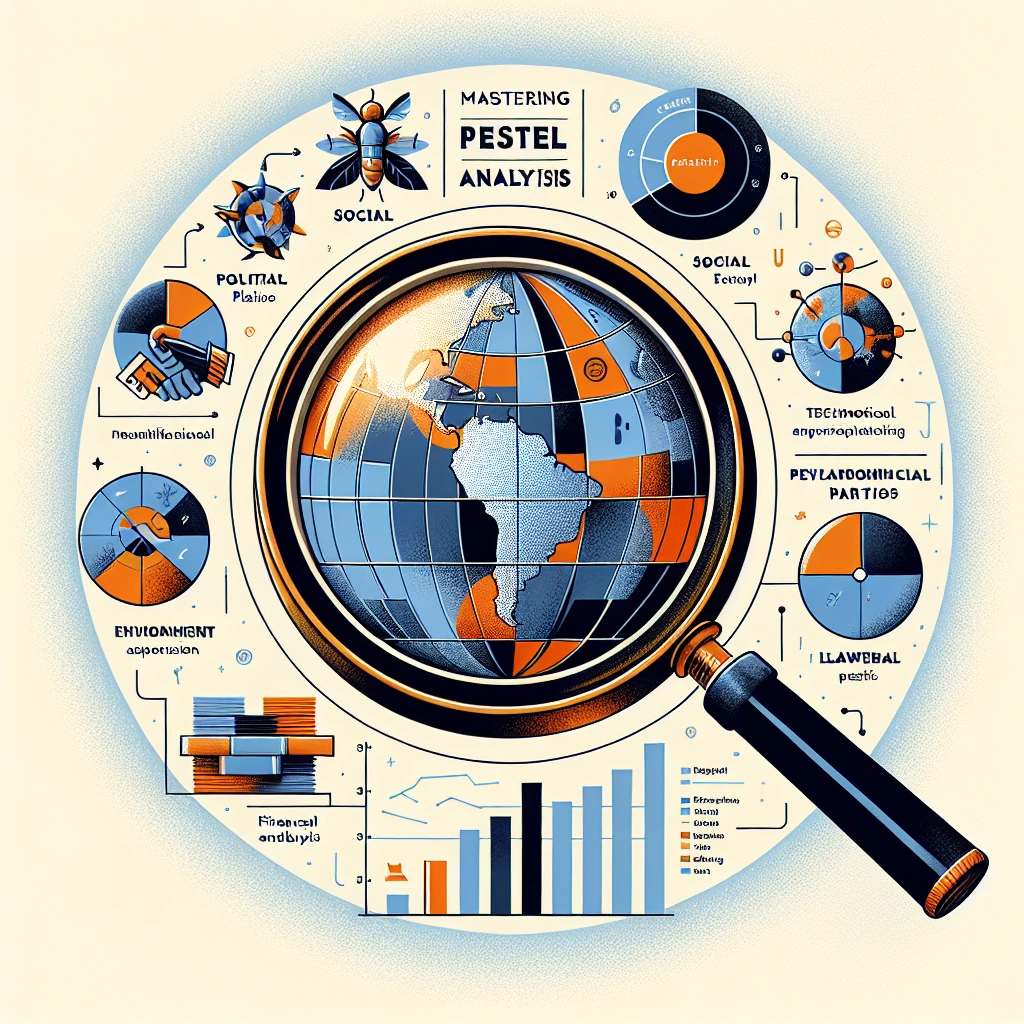
How is PESTEL Analysis used in Financial Analysis?
A PESTEL analysis is crucial in financial analysis as it assesses external factors affecting businesses. Identifying political factors like government stability can impact investments. Economic factors such as inflation affect profitability. Sociological factors like cultural trends influence consumer behavior. Technological factors such as disruptive innovations can impact market dynamics. Environmental factors like climate change affect industries like renewable energy. Legal factors such as regulations impact financial decisions.
Impact of PESTEL Analysis on Financial Decision Making
Political Factor Example: A change in government policies on taxation can impact companies’ financial strategies, requiring adjustments to maximize profits.
Economic Factor Example: Economic downturns can lead to decreased consumer spending, affecting revenue projections and investment decisions.
Sociological Factor Example: Shifting demographic trends can alter demand for products/services, influencing pricing strategies and market positioning.
Technological Factor Example: Rapid advancements in technology can create opportunities for investment in innovative solutions to gain a competitive advantage.
Environmental Factor Example: Heightened awareness of environmental sustainability can drive companies to invest in eco-friendly practices to meet consumer demands.
Legal Factor Example: Changes in regulatory requirements can pose compliance challenges, impacting financial planning and risk management strategies.
在領域 策略規劃, 掌握 PESTEL analysis 對於 商業成功. By comprehensively evaluating Political, Economic, 社會的, 技術性, 環境的, and Legal factors, 公司可以 strategically position themselves for growth and sustainability.
When conducting a PESTEL analysis, 至關重要的是 pay attention 到 external influences that could impact a business’s operations. 透過檢查 political stability, 經濟指標, social trends, 技術進步, 環境問題, 和 legal regulations, 組織可以 預見挑戰 and seize opportunities.
Maximizing business potential 透過 PESTEL analysis involves more than just identifying factors; it requires 可行的見解 和 戰略決策. This analysis provides a 整體觀 的 business environment and empowers companies to 降低風險 和 大寫 關於新興趨勢.
A well-implemented PESTEL analysis enables businesses to proactively adapt to changes, 創新 their products or services, 和 最佳化 their market positioning. By using this framework effectively, 組織可以 保持領先 of competitors and 導航 through dynamic market conditions successfully.
而且, 整合 PESTEL analysis 進入 策略規劃 培養一個 culture of foresight 組織內. 它鼓勵 決策者 to consider a 廣譜 of factors that could impact the business’s long-term 生存能力 和 競爭力 在市場上.
母帶處理 PESTEL analysis is not merely about assessing external factors; 這是關於 transforming insights 進入 strategic actions 那個驅動器 業務成長 和 永續性. By harnessing the power of this analytical tool, companies can navigate 不確定性 和 信心 和 embrace opportunities 和 strategic agility.
🌟 在 Anpip.com 發現真正的連接! 🌟
Ready to expand your social network and find authentic relationships online? 別再猶豫了 安皮網! 立即加入進行即時聊天, 聊天輪盤, 視訊通訊, 溪流, 甚至還可以獲得禮物! 點選 這裡 了解更多並立即開始聯繫! 🚀 #FindYourTribe
常見問題解答
What questions should I ask in a PESTEL analysis?
Questions to ask during a PESTEL analysis include political, 經濟的, 社會的, 技術性的, 合法的, and environmental factors that may impact your organization.
What is the most important in PESTEL analysis?
The most important factors in PESTEL analysis are political, 經濟的, 社會的, 技術性的, 合法的, and environmental influences on the organization.
What are the challenges of PESTEL analysis?
Challenges of PESTEL analysis include data quality, 可靠性, 複雜, and determining the scope of analysis for strategic planning.
How do you answer a PESTEL analysis question?
To answer a PESTEL analysis question, first carry out the initial analysis to identify the external factors influencing your organization.
What is PESTEL analysis examples?
PESTEL analysis examples include examining political, 經濟的, sociological, 技術性的, 合法的, and environmental factors affecting organizations.
How do you evaluate a PESTEL analysis?
To evaluate a PESTEL analysis, study key external factors like political, 經濟的, sociological, 技術性的, 合法的, and environmental factors influencing the organization.
What are the common errors in PESTEL?
Common errors in PESTEL analysis include maintaining narrow focus, neglecting input from others, and data availability, 準確性, validity issues.
Was versteht man unter der Pestel Analyse?
Die PESTEL-Analyse untersucht und untergliedert die auf ein Unternehmen wirkenden externen Einflussfaktoren in sechs Bereiche.
Was sind technologische Einflussfaktoren?
Technologische Einflussfaktoren umfassen Informationstechnologie, Kommunikationstechnologie, Logistik, Energieversorgung, Digitalisierung und Forschungsmittel.