立即使用 Anpip.com 提升您的線上體驗! 🚀
尋找一個充滿活力的線上社區,您可以在其中進行即時聊天, 視訊通訊, and exciting streams while also earning with gifts? 別再猶豫了
安皮網!
Join now to expand your social network and discover genuine connections in a fun and dynamic online environment. Don’t miss out on the opportunity to enhance your online experience with Anpip.com – 點選
這裡
開始!
Evolution of Collaborative Innovation
Collaborative innovation has a rich history of transforming industries 透過 成功的夥伴關係 和 synergistic efforts. One exemplary case is the collaboration between Nippon Steel and Toyota, where shared expertise propelled both companies to new heights by innovating in the automotive sector. Another historical success story is the partnership between Pharmacia Biotech and Seiko, showcasing how cross-industry collaboration can lead to revolutionary advancements. Learn more about these cases 這裡.
Collaborative Innovation in the Present Era
Google stands out as a prime example of fostering a culture of 合作 和 創新 組織內. By encouraging employees to work together creatively, Google has become a powerhouse in the tech industry, constantly pushing boundaries and driving progress through collective efforts. Explore further insights on successful collaboration at Google and other organizations 這裡.
Spread of Risk and Knowledge
Collaborative innovation serves as a potent tool for spreading risk across diverse stakeholders, enabling smoother navigation through challenges and setbacks. By uniting stakeholders from various sectors, collaborative efforts facilitate the exchange of 知識 和 專業知識, paving the way for groundbreaking advancements. Discover more about the impact of collaborative innovation on risk management and knowledge sharing 這裡.
Policy-makers and Collaborative Innovation
Policy-makers play a crucial role in 提倡 for the benefits of 合作 across different industries and sectors. By raising awareness about the value collaborative innovation brings to business opportunities, policy interventions can greatly stimulate growth 和 drive progress 在各個領域. Delve deeper into the role of policy-makers in promoting collaborative innovation 這裡.
Factors Influencing Collaborative Innovation Projects
An essential aspect of successful collaborative innovation projects lies in aligning firms’ 流程 和 實踐 for cohesive efforts. Ensuring a shared vision, 價值觀, 承諾, and trust among partners are vital elements that underpin the success of collaborative ventures. Explore further insights into the factors influencing collaborative innovation projects 這裡.
Performance Impact of Collaborative Innovation
Research has shown that multiple factors positively influence the performance of collaborative innovation projects. Factors such as benefit realization, 知識共享, 和 資源最佳化 significantly contribute to the success and 功效 of collaborative ventures, 駕駛 永續成長 和 創新. For more detailed findings regarding performance impacts, refer to the comprehensive study 這裡.
Benefits of Collaborative Innovation
Collaborative innovation offers benefits such as increased creativity and problem-solving through diverse perspectives, as well as accelerated innovation processes through shared resources and expertise. By bringing together individuals with different backgrounds and experiences, collaborative innovation sparks creativity and leads to more innovative solutions. 此外, leveraging shared resources and expertise from strategic alliances or partnerships can expedite the innovation process, allowing for faster development and implementation of groundbreaking ideas.
Increased creativity and problem-solving through diverse perspectives
Collaborative innovation brings together individuals with diverse backgrounds 和經歷, fostering a melting pot of 創造力. 什麼時候 people from different fields or expertise collaborate, they bring fresh ideas and unique perspectives to the table, 激發創造力 through collaboration.
By harnessing the power of diverse perspectives, teams can approach problem-solving in innovative ways. The synergy created by collaboration enhances creativity and leads to more effective and sustainable solutions that encompass a wide range of viewpoints.
One illustrative scenario is a tech company collaborating with an artist to design user interfaces. This blend of technical knowledge and artistic flair can result in 創新的, user-friendly designs that cater to both functionality and aesthetics, 展示的力量 diverse perspectives in problem-solving.
Accelerated innovation processes through shared resources and expertise
Collaborative innovation expedites the 創新過程 透過利用 shared resources and expertise. 通過 combining knowledge, 技能, 和 資源 from different individuals or organizations, innovation can occur more rapidly and efficiently.
Strategic alliances between companies can enable the sharing of resources, enabling them to tap into a wider pool of knowledge and accelerate the development of groundbreaking solutions. This collaboration allows each company to contribute its strengths and expertise, creating a synergistic environment for accelerated innovation.
例如, by forming partnerships with complementary businesses, companies can merge their strengths in research, 發展, and marketing to bring innovative products to market faster, revealing the power of collective expertise.
| Benefits of Collaborative Innovation |
|---|
| Increased creativity and problem-solving through diverse perspectives |
| Accelerated innovation processes through shared resources and expertise |
Collaborative Innovation Models
Collaborative innovation models are pivotal in fostering creativity and growth within organizations. Examining different approaches, 開放式創新 和 co-creation, provides insights into how businesses can leverage external expertise and resources to drive innovation.
開放式創新
Open innovation involves collaborating with external partners to generate new ideas and products. One key characteristic is the exchange of knowledge and resources between organizations.
Companies like Nestlé have leveraged open innovation through platforms like Nestlé X, partnering with startups to accelerate their innovation efforts and foster a broader innovation ecosystem.
Another example of open innovation is the implementation of different models, 例如 outside-in 方法. This method focuses on sourcing ideas externally, bringing fresh perspectives and diverse insights to the innovation process. It promotes collaboration beyond organizational boundaries, enhancing creativity and problem-solving capabilities.
共同創造
另一方面, co-creation emphasizes a specific relationship between an organization and a defined group of stakeholders, often customers. This approach involves active collaboration and sharing of intellectual property to create value together.
While open innovation is more broad-scale, co-creation is tailored towards engaging a specific group for mutual benefit.
Successful companies like Starbucks have embraced co-creation by involving customers in the product development process. By soliciting feedback and ideas from their target audience, Starbucks has been able to tailor their offerings to meet customer preferences effectively.
Understanding and implementing different collaborative innovation models like open innovation and co-creation can significantly impact an organization’s ability to drive innovation, foster creativity, and stay competitive in today’s dynamic business landscape.
Collaborative Innovation in Technology
Collaborative innovation is the driving force behind the rapid evolution of tech industries like software development and AI. In today’s dynamic landscape, teams are leveraging collective expertise to push boundaries and create groundbreaking solutions.
How collaborative innovation is revolutionizing tech industries like software development and AI
-
軟體開發: In the realm of software development, collaborative innovation has sparked the rise of platforms like GitHub, enabling developers worldwide to work together seamlessly on projects through shared code repositories and version control systems. This collaborative approach accelerates software development cycles and fosters innovation.
-
人工智慧的進步: Within the field of Artificial Intelligence (人工智慧), collaborative innovation is revolutionizing how algorithms are created. Platforms like OpenAI exemplify this synergy, with teams of researchers and scientists pooling their expertise to develop cutting-edge AI systems that prioritize safety and societal well-being.
-
Fostering Creativity: By bringing together diverse perspectives, 技能, 和經歷, collaborative innovation breeds a culture of creativity in tech industries, fueling the ideation process and leading to revolutionary breakthroughs.
-
Transforming Workflows: Through collaborative tools such as shared repositories, project management platforms, and real-time communication channels, tech professionals can seamlessly collaborate on projects, 提高生產力和效率.
-
Driving Market Disruption: 協作性質 innovation in technology is disrupting traditional market paradigms by facilitating rapid prototyping, agile development, and iterative feedback loops, allowing companies to stay ahead of the curve.
-
Promoting Cross-Disciplinary Collaboration: In the era of tech innovation, interdisciplinary collaboration between software engineers, 數據科學家, UX designers, and business strategists is paramount to creating holistic solutions that address complex challenges.
-
Enhancing Problem-Solving: Through collaborative brainstorms and knowledge-sharing sessions, tech teams can leverage collective intelligence to tackle intricate problems and devise innovative solutions that resonate with end-users.
-
培養創新文化: Collaborative innovation in technology nurtures a culture of continuous learning and improvement, where experimentation, 冒險, and embracing failure as a learning opportunity are celebrated aspects of the creative process.
| 要點 | 描述 |
|---|---|
| Empowers Teams | Collaborative innovation empowers teams to leverage diverse strengths for collective growth. |
| Embraces Diversity | Embracing diverse perspectives fosters innovation by challenging conventional thought processes. |
| Enhances Creativity | Collaborative environments spark creativity and nurture a culture of continuous innovation. |
通過擁抱 collaborative innovation, tech industries are on the cusp of unprecedented advancements, propelling humanity into a future where the boundaries of technological innovation are limitless.

Collaborative Innovation in Healthcare
Collaborative innovation in healthcare has significantly improved patient care and medical advancements by fostering partnerships among healthcare providers, 研究者, and technology experts. These collaborations have led to groundbreaking developments in medical treatments, 診斷, and patient outcomes, with technology companies bringing cutting-edge solutions to healthcare and contributing to the advancement of healthcare services. Through accelerated research and development processes, 尖端技術的融合, and interdisciplinary collaboration, collaborative innovation in healthcare continues to drive transformative changes in the industry for the benefit of patients and healthcare providers.
Examples of how collaborative innovation is improving patient care and medical advancements
Collaborative innovation in healthcare has revolutionized patient care and medical advancements by fostering partnerships and teamwork among healthcare providers, 研究者, and technology experts. Collaborative efforts have led to groundbreaking developments in medical treatments, 診斷, and patient outcomes.
One key example is the partnership between technology giants and healthcare institutions. Technology companies bring 前線 solutions to healthcare, enhancing patient monitoring, 數據分析, and treatment methods. This collaboration ensures that the 衛生保健 sector stays at the forefront of technological advancements.
此外, HealthTech partnerships have played a crucial role in driving innovative solutions in healthcare. By combining expertise from the tech industry with healthcare professionals’ 知識, these partnerships create innovative products and services that 益處 both patients and healthcare providers.
An exemplar case study showcases how hospitals serve as innovation platforms, leading to collaborative initiatives that drive medical 創新 and enhance patient care. Such platforms encourage interdisciplinary collaboration, 知識共享, and rapid implementation of new 科技 for better patient outcomes.
而且, collaborative research within healthcare institutions has proven to be highly beneficial in fostering a culture of innovation. 透過整合資源, 專業知識, and knowledge, healthcare organizations can 加速 research and development processes, resulting in faster deployment of new treatments and medical 幹預措施.
舉例說明, university hospitals are actively engaging in collaborative research projects to advance service 創新 that directly impact patient care. By sharing best practices, 數據, and research findings, these institutions collectively contribute to the 改進 of healthcare services and patient experiences.
collaborative innovation in healthcare is a driving force behind transformative changes in patient care and medical advancements. 透過策略合作夥伴關係, 跨領域團隊合作, and shared expertise, the healthcare industry continues to 發展 and deliver innovative solutions for better patient outcomes and improved overall health.
| Key Benefits of Collaborative Innovation in Healthcare |
|---|
| 1. Accelerated research and development processes |
| 2. Enhanced patient care and treatment outcomes |
| 3. Integration of cutting-edge technology in healthcare |
| 4. Knowledge sharing and interdisciplinary collaboration |
| 5. Improved healthcare services and patient experiences |

🚀 準備連接? 訪問 安皮網 現在!
加入 安皮網 用於即時聊天, 聊天輪盤, 視訊通訊, 溪流, 以及賺取禮物的機會! 擴展您的社交網絡並在有趣的線上環境中找到真正的聯繫. Take action and start connecting today at: https://安皮網🌟
Overcoming Challenges in Collaborative Innovation
Collaborative innovation can bring immense benefits, but it also poses challenges relating to intellectual property (智慧財產) rights and conflicts of interest that need to be overcome for successful partnerships.
智慧財產
- Understanding IP Collaboration: Effective IP collaboration can drive innovation by sharing, 授權, or co-developing IP with other parties, leading to new knowledge and reduced costs.
- Mastering IP in Research Partnerships: Intellectual property is crucial in research partnerships as it represents legal ownership of ideas and innovations.
- Common IP Challenges: Challenges may arise in determining ownership, 保護創新, and ensuring fair distribution of benefits.
Conflicts of Interest
- Managing Research Collaboration Conflicts: Conflict resolution is key to successful collaborative research and may involve addressing differing expectations and disputes over authorship.
- Data Management Challenges: Conflict over data management can impede collaborative innovation projects, affecting the pace and success of partnerships.
- Conflict Resolution Strategies: Adoption of conflict resolution strategies can enhance innovation culture by promoting creativity and problem-solving speed.
By addressing issues related to intellectual property rights and conflicts of interest proactively, collaborative innovation can thrive, leading to valuable outcomes and fostering a culture of innovation and cooperation.
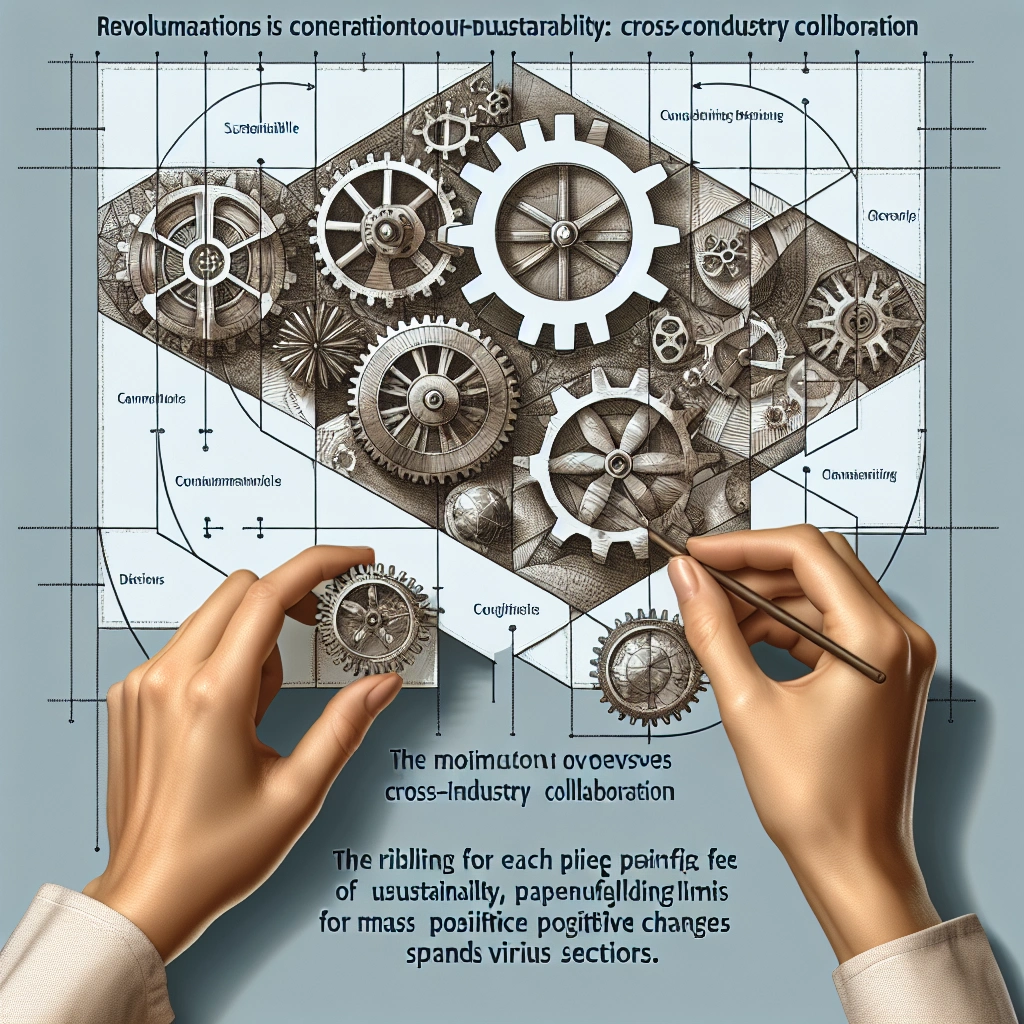
Collaborative Innovation in Sustainability
Collaborative innovation in sustainability drives sustainable practices and eco-friendly solutions by leveraging shared expertise and resources to tackle environmental challenges. Through collaborative efforts, organizations can accelerate the development of cost-effective green technologies, enhance growth through cross-industry synergies, and create inclusive solutions that benefit communities and future generations. The collaborative approach fosters a culture of cooperation, leading to accelerated environmental advancements that mitigate environmental impact.
How collaborative innovation is driving sustainable practices and eco-friendly solutions
Collaborative innovation 起著至關重要的作用 driving sustainable practices 和 eco-friendly solutions 透過鼓勵 shared expertise 和 資源. Through collaborative efforts, 組織可以 leverage diverse perspectives to tackle sustainability challenges, 導致 創新解決方案. This collaborative approach fosters a culture of cooperation 在哪裡 最佳實踐 和 尖端技術 are shared for the greater good.
一 key benefit 的 collaborative innovation in sustainability is the accelerated pace 的 environmental advancements, 和 產業領袖 collectively working towards common eco-conscious goals. 經過 pooling knowledge 和 能力, 公司可以 簡化流程, 減少 浪費, 並發展 綠色技術 in a more cost-effective manner.
Sustainable growth is further propelled 經過 collaborative innovation as it promotes 知識轉移 和 cross-industry synergies. 此外, open collaboration 培養一個 spirited environment 為了 實驗 和 創造性地解決問題, 導致 disruptive breakthroughs that benefit both 企業 和 環境.
In terms of impact, collaborative innovation not only drives environmental sustainability 但是也 enhances societal well-being by creating shared value 和 inclusive solutions. It is through these 共同努力 那 社群 和 future generations can thrive in a world that values harmonious coexistence 之間 經濟繁榮 和 環境責任.
桌子: Benefits of Collaborative Innovation in Sustainability
| 好處 | 描述 |
|---|---|
| Accelerated Development | Quicker creation and implementation of eco-friendly solutions through shared knowledge. |
| 經濟高效的解決方案 | Reducing expenses by collaboratively developing sustainable technologies. |
| Enhanced Growth and Synergies | Promoting innovation through the exchange of ideas between industries. |
| Community Welfare and Shared Value Creation | Fostering inclusive solutions that benefit communities and future generations. |
| Environmental Advancements | Driving progress in sustainability practices to mitigate environmental impact. |
Sustainable innovation thrives in an ecosystem of collective wisdom 和 collaborative ventures, 展示了 強大的影響力 那 shared dedication to sustainability can have on shaping a greener future. 通過 collaborative innovation, 我們可以 pioneer solutions that safeguard our planet and benefit all stakeholders 涉及.
Collaborative Innovation in Education
Collaborative innovation in Education plays a pivotal role in 塑造未來 of learning environments by fostering shared knowledge creation 和 innovative problem-solving approaches among educators and students. This collaborative model encourages 互動學習 environments where individuals contribute diverse perspectives to 激發創造力 和 accelerate progress.
Importance of Collaborative Innovation in Education
-
Enhanced Learning Experience: Collaborative innovation fosters 訂婚 和 交互作用 學生之間, 導致 deeper learning 經歷.
-
Skills Development: Students acquire critical skills 例如 溝通 和 團隊合作 through collaborative projects, preparing them for future challenges.
-
Teacher-Student Relationships: This approach strengthens 關係 between educators and learners, 創建一個 supportive academic community.
Benefits of Collaborative Innovation in Education
-
多元化的視角: Collaborative innovation promotes the sharing of 不同的觀點, 導致 holistic problem-solving 方法.
-
創新解決方案: Students develop 創新解決方案 透過 腦力激盪 和 collaborative analysis.
-
Peer Learning: Collaborative innovation allows for 同儕學習 where students learn from each other’s strengths and weaknesses.
Challenges in Implementing Collaborative Innovation in Education
-
資源分配: 足夠的 資源 和 技術 are essential to facilitate collaborative projects effectively.
-
Group Dynamics: 管理 group dynamics 並確保 equal participation can be a challenge in collaborative environments.
-
Assessment Methods: 發展 fair assessment methods for collaborative projects that recognize individual contributions adds complexity.
Strategies for Successful Collaborative Innovation in Education
-
Clear Objectives: 建立 明確的目標 和 期望 for collaborative projects to guide students effectively.
-
有效溝通: Encourage open 溝通 channels to foster 合作 和 資訊共享.
-
技術整合: 利用 協作工具 和 數位平台 加強 virtual teamwork 和 文件共享.
Future of Collaborative Innovation in Education
-
Virtual Collaboration: The future entails increased 虛擬協作 opportunities to connect students globally.
-
人工智能整合: 擁抱 人工智慧技術 for personalized learning experiences will reshape collaborative education practices.
-
Continuous Evolution: Collaborative innovation will continue to evolve, 適應 changing educational landscapes 和 技術進步.
For more information on the benefits of collaborative innovation in education, 你可以探索 9 Ways that Collaborative Technology Learning Can Transform Education and discover how collaborative learning strategies are shaping the future of education.
Collaborative Innovation in the Post-Pandemic World
Collaborative innovation in the post-pandemic world is more crucial than ever before, as businesses are adapting their strategies to embrace collaboration fully. By fostering cross-functional collaboration, using digital tools like MIRO, and integrating AI, organizations can drive meaningful change and develop groundbreaking solutions. To remain competitive, businesses must be agile in their approach to collaborative innovation, embracing change and leveraging technology to drive growth.
Adapting collaborative innovation strategies in a changing global landscape
Collaborative innovation in the post-pandemic world has become more crucial than ever before. Businesses are realizing the power of working together to drive meaningful change and develop groundbreaking solutions. With the shift in the global landscape post-pandemic, organizations are adapting their strategies to embrace collaboration fully.
One key aspect of adapting collaborative innovation strategies is fostering cross-functional collaboration within teams. By bringing together diverse skill sets and perspectives, companies can leverage different strengths to address complex challenges effectively. 合作 is not just a buzzword but a strategic approach that enables organizations to thrive in a rapidly evolving environment.
而且, the integration of digital tools such as MIRO has revolutionized the way teams collaborate on projects. These tools facilitate real-time collaboration regardless of physical location, enabling seamless communication and idea sharing. The use of AI also plays a significant role in enhancing collaborative innovation by automating repetitive tasks and allowing teams to focus on high-impact activities.
To remain competitive, businesses must be agile in their approach to collaborative innovation. This requires a willingness to embrace change and experiment with new ideas. Adapting to disruptive forces is essential for organizations to thrive in the ever-changing business landscape by continuously iterating on their collaborative processes.
The post-pandemic world also presents challenges related to sustainability and technological advancements. Companies must navigate the complexities of integrating sustainable practices into their innovation strategies while leveraging technology to drive growth. 人工智慧創新, 大數據, and other emerging technologies are reshaping the business landscape, presenting both opportunities and challenges.
Collaborative innovation is a cornerstone for success in the post-pandemic world. By harnessing the power of collaboration and embracing technological advancements, organizations can drive growth and remain competitive in a rapidly changing environment. The key is to establish a culture that values collaboration, 鼓勵創新, and fosters continuous learning and adaptation.
How Can Companies Foster Collaborative Innovation?
Collaborative innovation within organizations can be nurtured through various strategies. 一種有效的方法是 develop a clear scope for collaborative projects to ensure that team members understand their roles and responsibilities. Encouraging a sense of community in the workplace is also crucial, as it fosters a supportive environment for innovation to thrive. Assigning specific responsibilities to team members can help streamline the collaborative process and prevent overlapping efforts.
而且, 公司可以 facilitate the sharing of resources and insights among employees to enhance collaboration. This can include utilizing collaborative tools and platforms to allow for easy information exchange. Another vital strategy is to focus on cross-functional collaboration, breaking down silos within the organization and encouraging diverse teams to work together on innovative projects.
此外, 至關重要的是 慶祝成功 in collaborative innovation. Recognizing and rewarding teams for their innovative contributions can motivate employees and reinforce a culture of collaboration. 經過 creating a culture that values collaboration and innovation, companies can inspire their workforce to think creatively and work together towards common goals.
此外, empowering employees to share ideas and experiment can significantly contribute to fostering a culture of innovation. Providing a platform for idea-sharing and supporting experiments can unleash the creative potential within an organization. 鼓勵開放的溝通 and ensuring that information flows freely across teams can further enhance collaboration and innovation efforts.
To boost team collaboration, it’s essential to follow 最佳實踐 such as clear goal setting, regular feedback sessions, and fostering a sense of trust among team members. Embracing a culture that prioritizes collaboration can lead to 提高生產力 透過實施這些策略, companies can cultivate a collaborative environment that fuels innovation and drives success.
| 資源 | 連結 |
|---|---|
| Concrete strategies for team collaboration | Asana Collaboration Resources |
| Strategies to create a culture of innovation | Innovation Culture Strategies |
| Cross-functional team best practices | Best Practices for Cross-functional Teams |
| Improving cross-team collaboration | Effective Team Collaboration |
🚀 Ready to make new connections and have fun? 訪問 安皮網 現在!
Join us at www. Anpip.com 用於即時聊天, 視訊通訊, 溪流, 還有更多! Expand your social network and earn with gifts in a lively online community.
點擊此處 explore Anpip.com and start connecting today: 安皮網🎉
常見問題解答
What are the six key questions for effective collaboration?
The six key questions for effective collaboration include defining the purpose, establishing roles and responsibilities, setting goals and milestones, ensuring communication channels are clear, managing conflicts, and celebrating achievements.
What are the questions about collaboration?
Collaboration questions can vary but usually revolve around teamwork, 解決問題, 溝通, 目標設定, 衝突解決, and overall effectiveness of working together.
What motivates you to collaborate with others?
Motivation to collaborate with others can stem from the desire to achieve common goals, enhance creativity through diverse perspectives, 建立牢固的關係, learn from others, and increase overall productivity.
How to assess for collaboration?
To assess for collaboration, interview questions can focus on past experiences working in teams, examples of successful collaborations, handling conflicts within a team, 溝通技巧, and overall teamwork abilities.
What are the competency questions for collaboration?
Competency questions for collaboration can include opinions on teamwork environments, qualities of a good team player, past experiences collaborating with others, problem-solving skills within a group setting, and overall attitudes towards working with teams.
What is an example of collaborative innovation?
An example of collaborative innovation is Google’s Project Loon, a project that aims to provide internet access to remote areas through a network of high-altitude balloons.
How can collaboration contribute to innovation?
Collaboration contributes to innovation by allowing diverse perspectives and knowledge to come together, 培養創造力, enabling the exchange of ideas, 提高解決問題的能力, and ultimately leading to groundbreaking discoveries.
創新挑戰的問題是什麼?
Questions for innovation challenges can cover topics like defining innovation, identifying different types of innovations, spotting opportunities for innovation, 了解客戶需求, and creating strategies for implementing innovative ideas.
How does collaboration affect innovation?
Collaboration affects innovation by speeding up the development process, increasing creativity and problem-solving capabilities, fostering a culture of sharing and learning, and ultimately leading to more successful and impactful innovations.
How does collaboration improve innovation?
Collaboration improves innovation by enabling the sharing of knowledge and expertise, promoting a culture of open communication and idea exchange, fostering creativity and diverse thinking, and ultimately leading to the development of groundbreaking solutions.
What is an example of collaboration in innovation?
An example of collaboration in innovation is ideation workshops where team members come together to brainstorm, 發展, and refine creative ideas into innovative solutions.
What is the importance of collaboration in innovation and knowledge transfer?
Collaboration in innovation and knowledge transfer is essential for sharing expertise, leveraging diverse perspectives, enhancing problem-solving capabilities, 培養創造力, and ultimately driving the development of impactful solutions.
What are the benefits of collaborative innovation?
Benefits of collaborative innovation include increased creativity, enhanced problem-solving capabilities, faster development processes, improved knowledge sharing, and the ability to create groundbreaking solutions through diverse perspectives.
How can companies promote collaborative innovation?
Companies can promote collaborative innovation by fostering a culture of openness and idea-sharing, providing resources for team collaboration, encouraging diverse perspectives, promoting teamwork, and recognizing and celebrating successful collaborations.
What role does leadership play in collaborative innovation?
Leadership plays a crucial role in collaborative innovation by setting the tone for collaboration, empowering team members to share ideas, fostering a culture of open communication, providing guidance and support, and promoting a collaborative mindset.
What are the challenges of collaborative innovation?
Challenges of collaborative innovation can include conflicting ideas, communication barriers, diverse work styles, overlapping responsibilities, and the need to balance individual contributions with team goals.
How can companies overcome challenges in collaborative innovation?
Companies can overcome challenges in collaborative innovation by fostering a culture of open communication, providing training on effective collaboration, creating clear roles and responsibilities, promoting teamwork skills, and addressing conflicts proactively.
What are the characteristics of successful collaborative innovation projects?
Characteristics of successful collaborative innovation projects include effective communication, strong teamwork, 不同的觀點, clear goals and milestones, celebration of achievements, and a culture of continuous learning and improvement.
How can individuals contribute to collaborative innovation?
Individuals can contribute to collaborative innovation by sharing their expertise and knowledge, actively participating in team discussions, offering creative ideas, 傾聽不同的觀點, and collaborating effectively with others.
How can collaborative innovation drive business growth?
Collaborative innovation can drive business growth by fostering creativity, enhancing problem-solving capabilities, developing groundbreaking solutions, improving product development processes, and creating a competitive edge in the market.