İşte Anpip.com için etkileyici Harekete Geçirici Mesaj:
🚀 Yeni insanlarla tanışmaya ve çevrimiçi eğlenmeye hazır? Katılmak Anpip.com Bugün! 🎉 Canlı sohbetleri keşfedin, Chatroulette, görüntülü sohbetler, ve daha fazlası ile sosyal ağınızı genişletin ve gerçek bağlantıları keşfedin. Ziyaret ederek yolculuğunuza şimdi başlayın Anpip.com!
Sibergenomiyi Anlamak
Sibergenomik birleştiren çığır açıcı disiplinlerarası bir alandır. genetik ile siber güvenlik, Dijital tehditleri genetik düzeyde anlamak ve bunlarla mücadele etmek için en son teknolojileri kullanmak. Bu stratejik füzyon, genomların içindeki doğal karmaşıklıklardan ve kalıplardan faydalanmayı içerir. siber savunma Gelişen siber risklere karşı mekanizmalar ve önleyici stratejiler.
Sibergenomiğin Tanımı
özünde, Sibergenomik Dijital ortamların analiz edilmesi ve güvenliğinin sağlanması için genetik ilkelerin ve metodolojilerin uygulanmasını ifade eder.. By examining genetic predispositions towards certain behaviors and traits, researchers can create personalized security measures tailored to an individual’s genetic profile, mitigating vulnerabilities and enhancing overall cyber resilience.
Intricately entwined with the notions of behavioral genetics Ve siber savunma, Cybergenomics serves as a dynamic frontier in the realm of siber güvenlik, propelling scientific advancements and innovative solutions to combat ever-evolving cyber threats.
Relationship between Genetics and Cybersecurity
The relationship arasında genetik Ve siber güvenlik in the domain of Cybergenomics delves into the intersection of biological predispositions and digital vulnerabilities. By analyzing how human genetic traits influence cyber behavior and decision-making in online environments, researchers can devise tailored cybersecurity strategies to anticipate and thwart potential cyberattacks based on an individual’s genetic makeup.
Utilizing insights from behavioral genetics and leveraging advanced technological tools, Cybergenomics establishes a unique paradigm where personalized security measures are devised by integrating genetic data into cybersecurity protocols, fostering a multidisciplinary approach to fortify digital defense mechanisms.
Cybergenomics revolutionizes conventional cybersecurity practices by integrating genetic insights and computational methodologies to anticipate and counteract cyber threats at their core, ushering in a new era of personalized cyber defense tailored to individual genetic profiles.
Applications of Cybergenomics
Sibergenomik, tehdit algılama ve yanıt mekanizmalarını geliştirmek için genetik içgörülerden yararlanarak siber güvenlikte çok önemli bir rol oynuyor. Davranış genetiğini güvenlik çerçevelerine entegre ederek, Kuruluşlar, genetik verilerden elde edilen kalıplara ve anormalliklere dayanarak siber tehditleri daha iyi anlayabilir ve tahmin edebilir.
Bu yenilikçi yaklaşım, tehdit istihbaratına benzersiz bir bakış açısı sunarak siber güvenlik stratejilerinde devrim yaratıyor.
Siber Güvenlikte Sibergenomik Nasıl Kullanılır?
Siber güvenlikte, Sibergenomik, kötü niyetli faaliyetlerin genetik işaretlerini analiz etmek ve davranış kalıplarına dayalı potansiyel riskleri belirlemek için kullanılır.. Genetik verileri siber güvenlik olaylarıyla ilişkilendirerek, uzmanlar gelişen tehditlere uyum sağlayan hedefe yönelik savunma mekanizmaları geliştirebilir.
This proactive approach enables organizations to stay ahead of cybercriminals and mitigate risks effectively.
Case Studies of Cybergenomics Implementations
-
Real-World Implementation: A case study showcased how a cybersecurity firm integrated Cybergenomics into its threat detection system, siber olaylarda önemli bir azalmaya yol açıyor. By leveraging genetic insights, the company could anticipate and neutralize threats before they manifested, enhancing overall cybersecurity resilience.
-
Genetic Threat Profiling: Another case study highlighted the application of Cybergenomics in genetic threat profiling, where unique genetic signatures were used to categorize and prioritize cybersecurity threats. This approach allowed organizations to allocate resources efficiently and respond promptly to high-risk threats.
-
Behavioral Pattern Recognition: Dikkate değer bir uygulama, farklı endüstrilerdeki siber tehditlerin davranış kalıplarını tanımak için Sibergenomiğin nasıl kullanıldığını gösterdi.. Kötü niyetli faaliyetlerin genetik temellerini anlayarak, Siber güvenlik uzmanları, belirli tehdit profillerine etkili bir şekilde karşı koymak için savunma stratejilerini uyarlayabilir.
| Örnek Olay İncelemesi | Tanım | Darbe |
|---|---|---|
| Real-World Implementation | Tehdit tespitinde Sibergenomiğin entegrasyonu | Siber olaylar azaldı |
| Genetic Threat Profiling | Tehdit önceliklendirmesi için benzersiz genetik imzaların kullanılması | Verimli kaynak tahsisi |
| Behavioral Pattern Recognition | Siber tehditlerin genetik temellerini tanımak | Özel savunma stratejileri |
Sibergenomik, siber güvenlikte bir paradigma değişikliği sunuyor, Kuruluşların, genetik içgörüler ve davranış kalıplarına dayalı olarak gelişen siber tehditlerle proaktif bir şekilde mücadele etmelerini sağlamak. Bu yenilikçi yaklaşımı benimseyerek, businesses can enhance their cybersecurity posture and safeguard critical assets against sophisticated cyber attacks.
Psychological Factors in Cybergenomics
The realm of cybergenomics delves into the intricate interplay between genetic predispositions and cybersecurity measures. Psychological traits play a pivotal role in shaping an individual’s cybersecurity behavior, highlighting the essence of understanding one’s innate characteristics when navigating the digital landscape.
Influence of Psychological Traits on Cybersecurity
Psychological traits like the Dark Triad encompass narcissism, Machiavellianism, and psychopathy, often associated with hackers, influencing their online behavior. These traits drive individuals to seek power, kontrol, and superiority, fostering a manipulation-centric mindset in cyberspace.
Daha fazla bilgi için: The Dark Triad
Research is ongoing on mapping the Big Five personality traits onto cybersecurity behavior, shedding light on how individual characteristics can dictate responses to cyber threats. Understanding these correlations can aid in enhancing cybersecurity strategies tailored to different personality types.
Further insights: The Big Five personality
Behavioral Genetics and Cybersecurity
Aside from personality traits, behavioral genetics also play a significant role in cybersecurity applications. By contextualizing genetics within cybersecurity practices, methods that leverage genetic underpinnings to enhance security protocols are being reconsidered to fortify digital defense systems.
In-depth perspective: CyberGenomics: Application of Behavioral Genetics in Cybersecurity
Cognitive styles, key psychological factors, may have genetic determinants crucial for cybersecurity specialist roles. Unraveling the genetic roots of cognitive styles aids in better understanding how individuals approach cybersecurity challenges based on inherent character predispositions.
Exploring psychological factors: Other psychological factors
The intricate relationship between psychological elements and cybersecurity user behavior within corporate settings is a critical focal point for research. Analyzing how psychological factors shape user responses to cyber threats informs the development of robust cybersecurity measures tailored to user profiles.
Deeper insights: The Impact of Psychological Factors on Users
Genetic Vulnerabilities in Cybersecurity
Genetic vulnerabilities play a significant role in cybersecurity risks, especially with the integration of genetic data into cyber defenses. Insider threats and the exposure of sensitive genetic information can pose major challenges for organizations, necessitating robust security measures and continuous monitoring. Understanding the intersection of genetic factors and cybersecurity risks is essential in proactively addressing vulnerabilities and fortifying defenses against potential cyber attacks.
Genomic Factors Contributing to Cybersecurity Risks
Cybersecurity risks are now expanding into the realm of Sibergenomik, highlighting the increasing importance of understanding genomic factors. The landscape of cybersecurity is evolving with the integration of genetic data, which can introduce new vulnerabilities.
Genomic factors can significantly contribute to cybersecurity risks by exposing sensitive genetic information to potential breaches. The interplay between genetic vulnerabilities and digital threats underscores the need for robust security measures. Nasıl olduğunu anlamak data availability impacts the security of genetic information is crucial in mitigating risks.
İçeriden gelen tehditler pose a particular challenge in the cybersecurity of genomic data, emphasizing the need for comprehensive protection strategies. By exploring the nuances of genetic information insecurity, organizations can fortify their defenses against cyber threats and data breaches. The complexity of cyber risk management necessitates a multidimensional approach to safeguard genetic data.
Identifying Genetic Vulnerabilities for Cybersecurity Threats
Siber güvenlik tehditlerine yönelik genetik açıkların belirlenmesi, siber güvenlik tehditleri arasındaki karmaşık bağlantının derinlemesine incelenmesini gerektirir. biyo-siber güvenlik zorluklar ve genomik veriler. DNA verilerinin güvenlik ve gizlilik açısından etkilerini analiz etmek, siber saldırılara açık potansiyel zayıf noktaları ortaya çıkarabilir.
Mikrobiyal genomik çağında, Siber güvenlik tehditlerini anlamak çok önemli hale geliyor, gibi siber saldırı vektörleri daha sofistike hale gelmek. Veri işlemenin farklı aşamalarındaki güvenlik açıklarını tanıyarak, Kuruluşlar potansiyel ihlallere karşı savunmalarını proaktif olarak güçlendirebilir.
Siber güvenlikteki genetik açıkları ele almaya yönelik sistematik bir yaklaşım, sürekli izlemeyi içerir, tehdit değerlendirmesi, ve sağlam güvenlik protokollerinin uygulanması. Leveraging advanced security technologies and staying informed about emerging threats can help organizations stay ahead in safeguarding genomic data. Utilizing cyber threat analysis frameworks can provide valuable insights into potential vulnerabilities and preemptive measures.
| Genetic Vulnerabilities in Cybersecurity |
|---|
| 1. Understand the intersection of genetic factors and cybersecurity risks. |
| 2. Implement robust security measures to protect genomic data from cyber threats. |
| 3. Address insider threats and enhance privacy protocols in genomic data handling. |
| 4. Continuously assess vulnerabilities and proactively strengthen cybersecurity. |

Cybergenomics for Prevention
Sibergenomik is a cutting-edge field that merges genomics and cybersecurity to proactively prevent cyber threats. By leveraging behavioral genetics principles to analyze individuals’ susceptibility to cyber-attacks, kuruluşlar savunmalarını akıllıca güçlendirebilir. Genetik özelliklerin bireyin çeşitli siber tehditlere tepkisini nasıl etkilediğini anlamak, Kimlik avı dolandırıcılığı veya sosyal mühendislik gibi, kişiye özel önleyici tedbirlerin alınmasını sağlar.
istihdam etmek Sibergenomik Siber tehditleri etkili bir şekilde önlemek için, kuruluşlar siber güvenlik açıklarıyla bağlantılı genetik belirteçleri analiz etmek için gelişmiş algoritmalar kullanabilir. Bu öngörüleri güvenlik sistemlerine entegre ederek, şirketler tehdit algılama yeteneklerini geliştirebilir ve potansiyel ihlalleri gerçekleşmeden önce önleyebilir. Bu proaktif yaklaşım, gelişen siber tehditlere karşı daha sağlam bir savunma sağlar.
Sibergenomiyi Güvenlik Önlemlerine Dahil Etmeye Yönelik Stratejiler
-
Genetik Risk Profili Çıkarma: Conduct genetic risk assessments to identify employees prone to falling victim to cyber threats based on genetic predispositions. Implement personalized security protocols for high-risk individuals to mitigate vulnerabilities.
-
Behavioral Pattern Analysis: Utilize behavior analytics tools to monitor employees’ online activities and identify deviations that signal potential security risks. By correlating this data with genetic profiles, organizations can tailor cybersecurity training programs to address specific vulnerabilities.
-
Secure Genetic Data Storage: Establish secure protocols for storing genetic information used in Cybergenomics analyses to comply with data protection regulations. Implement encryption measures and access controls to safeguard sensitive genetic data from unauthorized access.
-
Sürekli İzleme: Implement real-time monitoring systems that integrate genetic risk factors into existing security frameworks. By continuously evaluating genetic susceptibility to cyber threats, organizations can adjust security measures dynamically to address evolving risks effectively.
-
Collaboration with Genetic Experts: Forge partnerships with geneticists and cybersecurity experts to develop innovative solutions that leverage the intersection of genomics and cybersecurity. Collaborative research initiatives can drive advancements in Cybergenomics for enhanced threat prevention strategies.
Sibergenomik presents a revolutionary approach to cybersecurity by incorporating genetic insights into preventive measures. By understanding the genetic underpinnings of individuals’ vulnerability to cyber threats, organizations can tailor security protocols effectively and stay ahead of potential breaches.
🚀 Ready to make new connections? Ziyaret etmek Anpip.com Şimdi!
Looking for a place where you can have live chats, görüntülü sohbetler, akışlar, and even earn gifts while doing so? Başka yere bakma! Katılmak Anpip.com today to expand your social network and find genuine connections in a fun online environment. Tıklamak Burada to learn more and start connecting! 🌟
Cybergenomics in Incident Response
Cybergenomics plays a crucial role in incident response by utilizing genetic data to enhance cybersecurity protocols, enabling organizations to identify attack vectors and mitigate risks effectively. By incorporating behavioral genetics and conducting comprehensive forensic analyses, security teams can predict and attribute cyber incidents with greater accuracy, leading to swift and proactive response strategies. Genetic data analysis in cybersecurity forensics aids in early threat detection, predictive analysis, and tailored security measures, ultimately improving incident response processes and overall cybersecurity strategies.
Role of Cybergenomics in Incident Response
Cybergenomics plays a pivotal role in incident response by leveraging genetic data to enhance cybersecurity protocols and combat cyber threats effectively.
Utilizing Genetic Data: Genetic data provides imperative insights into the behavior and patterns of cyberattacks, aiding in identifying attack vectors and mitigating potential risks effectively.
Birleştirme Behavioral Genetics: By integrating behavioral genetics into incident response strategies, kuruluşlar yapabilir proactively analyze and predict cyber threats based on patterns and trends observed in genetic data.
Enhanced Incident Forensics: Cybergenomics enables security teams to conduct comprehensive forensic analyses, pinpointing the origin and characteristics of cyber incidents with greater accuracy.
Dynamic Response Strategies: Leveraging genetic data allows for real-time adaptations in incident response tactics, enabling organizations to combat cyber threats swiftly and effectively.
Utilizing Genetic Data for Cybersecurity Incident Forensics
Genetic Data Analysis: Harnessing genetic data for cybersecurity incident forensics enables detailed tracing of cyberattacks, aiding in understanding the modus operandi of threat actors.
Behavior Prediction: Through genetic data analysis, cybersecurity professionals can predict potential future attacks by recognizing recurring patterns and behaviors in cyber incidents.
Incident Attribution: The utilization of genetic data in cybersecurity forensics facilitates accurate attribution of cyber incidents, enabling organizations to identify and neutralize threat actors effectively.
Pattern Recognition: Genetic data analysis enables the identification of distinctive patterns in cyber incidents, assisting in the formulation of proactive and preventive cybersecurity measures.
| Genetic Data Benefits in Incident Response |
|---|
| 1. Early Threat Detection |
| 2. Tahmine Dayalı Analiz |
| 3. Enhanced Incident Recovery Processes |
| 4. Efficient Resource Allocation |
| 5. Improved Incident Response Time |
| 6. Tailored Security Measures |
| 7. Holistic Cybersecurity Strategies |
Ethical Considerations in Cybergenomics
Cybergenomics presents a multitude of ethical challenges, especially when it comes to utilizing genetic information in the realm of cybersecurity. The ethical implications of accessing and using individuals’ genetic data in cybersecurity practices are vast. Such information is highly sensitive and must be handled with utmost care to avoid misuse or unauthorized access to personal genetic details. Ensuring that this data is safeguarded and only utilized for legitimate security purposes is crucial to maintain trust and protect individuals’ mahremiyet.
Ethical Implications of Using Genetic Information in Cybersecurity
Utilizing genetic information for cybersecurity purposes can raise serious etik ikilemler, particularly in terms of informed consent, data ownership, and potential discrimination. The use of genetic data without explicit consent can infringe on individuals’ privacy rights and autonomy, leading to concerns about data misuse and unauthorized surveillance. Ek olarak, the ownership of genetic information poses challenges in determining who has the right to control and access this sensitive data.
Potential misuse of genetic information within cybersecurity can also lead to discriminatory practices, where individuals may be treated unfairly based on their genetic predispositions or vulnerabilities. This could result in biased decision-making, exclusion from opportunities, or even profiling individuals based on their genetic makeup. Hence, it is imperative to establish clear ethical guidelines and regulations to govern the ethical use of genetic information in cybersecurity protocols.
Ensuring Privacy and Data Protection in Cybergenomics
Protecting the privacy and data of individuals in the field of cybergenomics is paramount to uphold ethical standards and maintain trust in cybersecurity practices. Data protection strategies play a vital role in safeguarding genetic information from unauthorized access, breaches, or misuse. Implementing robust security measures, encryption protocols, and access controls are essential components of ensuring the confidentiality and integrity of genetic data.
Adhering to gizlilik düzenlemeleri and ethical frameworks is crucial in cybergenomics to prevent data exploitation and maintain individuals’ rights over their genetic information. Dahil ederek multi-step processes veri koruması için, cybersecurity professionals can mitigate risks associated with genetic data leaks, unauthorized sharing, or potential misuse. Engaging in continuous monitoring, audits, and compliance checks are key to upholding privacy standards and safeguarding sensitive genetic data.
Navigating the ethical landscape of cybergenomics requires a delicate balance between utilizing genetic information for enhanced cybersecurity measures and protecting individuals’ privacy and data rights. By establishing clear ethical guidelines, informed consent policies, and robust data protection strategies, the cybersecurity community can uphold ethical standards while leveraging the potential benefits of genetic information in cybersecurity practices.
Challenges of Implementing Cybergenomics
Cybergenomics poses unique obstacles and challenges in the realm of cybersecurity practices. One key challenge lies in the entegrasyon of Cybergenomics into existing security frameworks. The complexity of marrying genetic concepts with digital security protocols can lead to resistance and confusion among cybersecurity professionals.
Another significant challenge is privacy concerns. Implementing Cybergenomics requires the collection and analysis of genetic data, raising ethical dilemmas around data protection and individual privacy rights. Balancing the need for enhanced security with respect for personal genetic information presents a delicate tightrope for organizations to navigate.
Üstelik, teknik uzmanlık is a hurdle in implementing Cybergenomics. Cybersecurity teams may lack the necessary understanding of genetics and biological concepts, making it difficult to effectively leverage Cybergenomics strategies in their security operations. This gap in knowledge can hinder the successful adoption of innovative genetic-based security measures.
The rapidly evolving nature of cyber threats adds another layer of challenge when integrating Cybergenomics into cybersecurity practices. Genetic algorithms and behavioral patterns must constantly adapt to keep pace with the dynamic threat landscape, requiring continuous updates and refinements to stay effective against emerging risks.
Dahası, mevzuata uygunluk poses a significant challenge in the implementation of Cybergenomics. Organizations must navigate complex legal frameworks governing the collection, storage, and usage of genetic data in cybersecurity contexts. Ensuring alignment with regulations such as GDPR and HIPAA adds layers of complexity to deploying Cybergenomics solutions.
Bu zorlukların üstesinden gelmek için, organizations must prioritize cross-disciplinary collaboration between geneticists, siber güvenlik uzmanları, legal teams, and data privacy specialists. This collaborative approach can help bridge the knowledge gaps, address privacy concerns, and ensure compliance with regulations while driving innovative cybersecurity strategies forward.
While the integration of Cybergenomics into cybersecurity practices offers promising opportunities for advanced threat detection and mitigation, overcoming the challenges related to integration, mahremiyet, uzmanlık, evolving threats, and regulatory compliance is essential for successful implementation in today’s digital landscape.
| Meydan okumak | Tanım |
|---|---|
| Integration complexities | Merging genetic concepts with cybersecurity practices can lead to confusion among professionals |
| Privacy concerns | Balancing enhanced security needs with individual privacy rights presents ethical dilemmas |
| Lack of technical expertise | Knowledge gaps in genetics and biology hinder effective implementation of Cybergenomics strategies |
| Rapidly evolving threat landscape | Genetic algorithms must constantly adapt to keep up with dynamic cyber threats |
| Regulatory compliance | Organizations must navigate complex legal frameworks to ensure proper use of genetic data in cybersecurity contexts |
Future Trends in Cybergenomics
Sibergenomik is a rapidly evolving field that merges genomics Ve siber güvenlik. İleriye bakmak, emerging technologies içinde Sibergenomik are set to revolutionize siber güvenlik stratejiler. By integrating genetic data with cybersecurity protocols, innovative solutions can be developed to combat cyber threats efficiently.
Emerging Technologies and Trends in Cybergenomics for Cybersecurity
-
Behavioral Biometrics: Utilizing unique genetic markers for user identification enhances siber güvenlik measures and thwarts unauthorized access.
-
Genetic Encryption: Implementing genetic sequences as encryption keys ensures robust data protection and confidentiality.
-
Biometric DNA Authentication: Leveraging DNA analysis for authentication purposes establishes a highly secure access control system.
-
Genomic Malware Detection: Detecting malware strains utilizing genetic algorithms enables swift identification and containment of cyber threats.
Potential Impact of Advancements in Genetic Research on Cybersecurity
-
Enhanced Data Privacy: Genetic data integration offers advanced layers of security, safeguarding sensitive information from breaches.
-
Personalized Security Measures: Tailoring siber güvenlik protocols based on genetic characteristics enhances protection against targeted attacks.
-
Biometric-based Security: Genetic traits serving as biometric identifiers bolster siber güvenlik defense mechanisms for individuals and organizations.
-
Genetic Data Forensics: Genetic information enables precise forensic investigations into cyber breaches, aiding in identifying perpetrators.
| Cybergenomics Trends | Impact on Cybersecurity |
|---|---|
| Behavioral Biometrics | Heightened User Identification |
| Genetic Encryption | Enhanced Data Protection |
| Biometric DNA Authentication | Robust Access Control |
| Genomic Malware Detection | Efficient Threat Identification |
By harnessing the potentials of Sibergenomik, organizations can proactively adapt to the evolving siber tehditler landscape, ensuring robust veri güvenliği and resilience against siber saldırılar.
For more insights on the intersection of genetik Ve siber güvenlik, keşfetmek CyberGenomics: Application of Behavioral Genetics in Cybersecurity, shedding light on the transformative applications of genetic research in siber savunma.
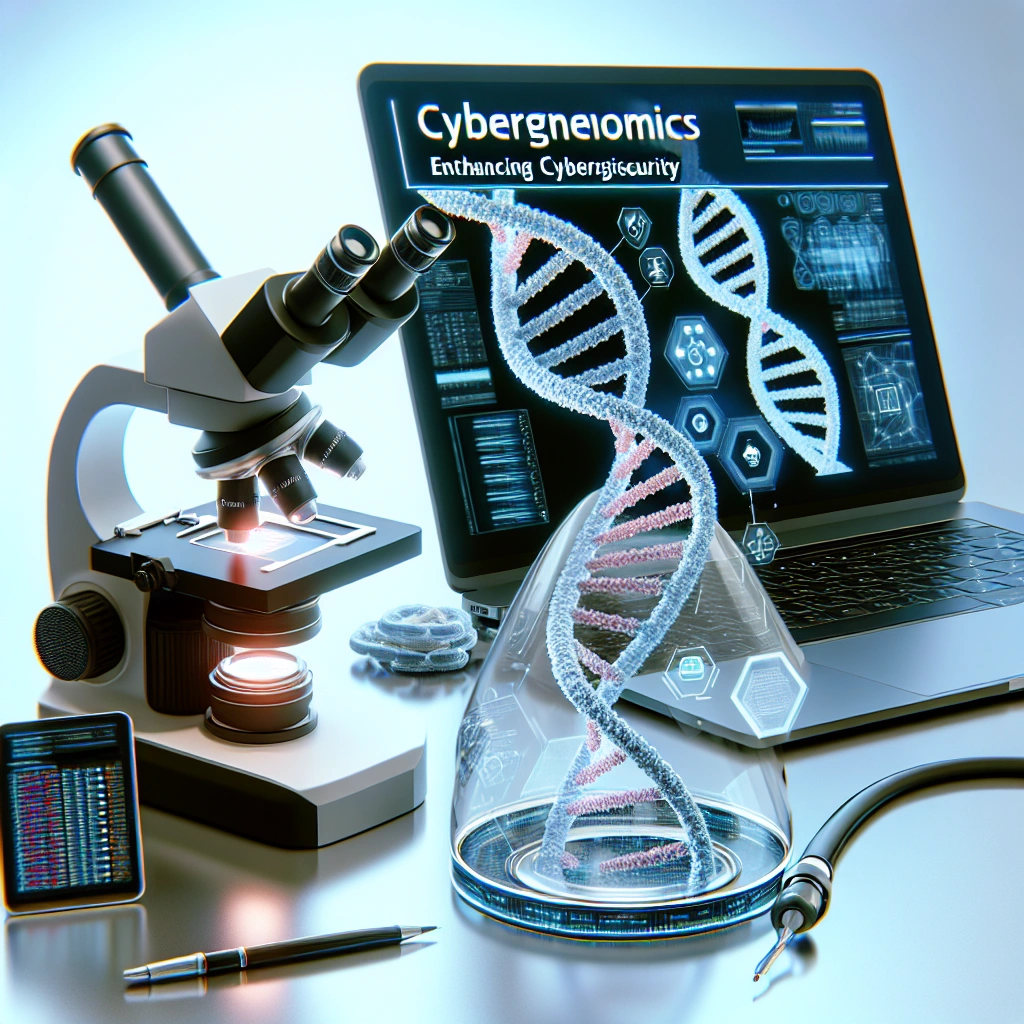
How Can Cybergenomics Enhance Cybersecurity?
entegrasyonu cybergenomics into the realm of cybersecurity signals a groundbreaking evolution in threat detection and prevention. By leveraging the principles of genetik and behavior analysis, cybergenomics offers a unique approach to fortifying digital defenses.
Benefits of Cybergenomics in Cybersecurity
-
Advanced Threat Detection: Sibergenomik enables the identification of desenler Ve anomaliler in user behavior, allowing for early detection of potential attacks.
-
Behavioral Insights: By understanding the genetic predispositions o sürücü cyber behaviors, organizations can anticipate and mitigate risks effectively.
The Role of Cybergenomics in Preventing Cyber Attacks
Birleştirme cybergenomics methodologies equips cybersecurity teams with the ability to predict and preempt siber tehditler before they materialize. Analiz ederek genetic markers in user behavior, vulnerabilities can be identified and remediated proactively.
Real-World Implications and Examples
-
User Behavior Analysis: Linking behavioral genetics to cybersecurity practices can enhance the tespit of insider threats and unauthorized access attempts.
-
Predictive Risk Mitigation: Kullanarak cybergenomics algorithms, organizations can forecast potential vulnerabilities and deploy targeted security measures.
Implementing Cybergenomics Strategies
To fully harness the power of cybergenomics in cybersecurity, kuruluşlar yapabilir:
-
Invest in Research: Allocate resources to study genetic indicators of cyber behavior for enhanced threat intelligence.
-
Collaborate with Genetic Experts: Partner with genetic specialists to refine cybersecurity algorithms based on behavioral genetics principles.
The fusion of cybergenomics with cybersecurity operations presents a revolutionary approach to safeguarding digital assets. By delving into the world of genetic influences on cyber behavior, organizations can strengthen their defenses and stay ahead of evolving siber tehditler.
For more insights on the application of behavioral genetics içinde siber güvenlik, refer to this madde for in-depth analysis.
In concluding, Sibergenomik stands at the forefront of revolutionizing cybersecurity practices. By delving into the genetic underpinnings of cyber professionals, we unlock a new realm of understanding and potential enhancements in safeguarding digital assets. Rolü Sibergenomik in strengthening cybersecurity is profound, offering insights into how innate traits and behaviors influence an individual’s approach to defending against digital threats.
İleriye bakmak, the future prospects of Sibergenomik in the field of cybersecurity are promising. Leveraging genetic insights can pave the way for personalized security measures, tailoring defense strategies to individuals based on their genetic predispositions. This personalized approach has the potential to significantly bolster cybersecurity defenses, minimizing vulnerabilities and enhancing overall digital resilience.
Üstelik, integrating Sibergenomik into cybersecurity frameworks can lead to more efficient and effective threat mitigation strategies. By understanding how genetic factors impact cybersecurity professionals’ decision-making processes and risk assessments, organizations can tailor training programs and protocols to optimize their defenders’ capabilities, ultimately fortifying their cybersecurity posture.
In the grand scheme of cybersecurity advancements, dahil edilmesi Sibergenomik represents a paradigm shift towards more personalized and proactive digital defense mechanisms. Embracing the genetic aspects of cybersecurity professionals can unlock untapped potential and pave the way for innovative solutions to combat evolving cyber threats. The fusion of genetics and cybersecurity signifies a new era of defense strategies grounded in individualized insights and enhanced protection mechanisms.
As we continue to navigate the complex cybersecurity landscape, embracing the potential of Sibergenomik can open doors to a more resilient and adaptive security infrastructure. By harnessing genetic data to tailor security measures and optimize defense strategies, organizations can proactively address threats and stay ahead of malicious actors in the ever-changing digital environment. entegrasyonu Sibergenomik offers a glimpse into a future where cybersecurity is not merely reactive but anticipatory and finely tuned to individual nuances.
Özetlemek gerekirse, the intersection of Sibergenomik and cybersecurity represents a groundbreaking frontier in the ongoing battle against digital threats. By leveraging genetic insights to fortify defense mechanisms and enhance security protocols, organizations can usher in a new era of personalized cybersecurity that is more robust, adaptive, and proactive. The journey towards a genetically-informed cybersecurity landscape is just beginning, promising a future where digital defenses are finely tuned to the unique genetic makeup of their protectors.
Take Your Online Connections to the Next Level with Anpip.com!
Çevrimiçi sosyal deneyiminizi yükseltmeye hazır? Başka yere bakma Anpip.com! Dive into live chats, connect with new friends on Chatroulette, engage in exciting video chats, enjoy entertaining streams, and even earn rewards through gifts. It’s time to expand your social network and cultivate genuine connections in a fun virtual environment.
Join now and experience the ultimate online networking platform at Anpip.com! Don’t miss out on the opportunity to create meaningful relationships and have a blast along the way. Click the link to get started today!
Sıkça Sorulan Sorular
What are the top 8 techniques used in genomics?
Techniques include PCR, Sanger sequencing, Next-Generation Sequencing, Microarrays, CRISPR-Cas9, RNA sequencing, Chromatin immunoprecipitation, and Digital PCR.
What are the most common technologies and tools for functional genomics?
Common tools include CRISPR, RNA interference, gene expression analysis, proteomics, metabolomics, and bioinformatics software.
What is the biggest barrier to genomic application currently?
The implementation of large-scale genomic screening and challenges with family support, insurance coverage, affordability, and lack of awareness.
What are the barriers and facilitating factors for implementation of genomics?
Barriers include lack of translational research, data sharing issues, privacy concerns, and limited access to advanced technology. Facilitating factors include collaboration, improved data management, eğitim, and policy support.
What is the most common confounder in genomics?
Genetic sensitivity analysis is crucial to adjust for confounding factors related to heritable exposures and outcomes.
What is the major challenge in joint modelling of confounding factors in genomics studies?
Challenges involve handling confounding variation unrelated to genetic factors and integrating multiple data sources for comprehensive analysis.
What is the difference between GRCh37 and GRCh38 reference genomes?
GRCh37 has fewer alt loci scaffolds and alternate assembly units compared to GRCh38, which contains more alternative loci.
What are the key distinctions between GRCh38 and GRCh37 reference genomes?
GRCh38 includes 261 alt loci scaffolds in 35 alternate assembly units, ile 72 alternate loci previously available as NOVEL patches to GRCh37.