🌟 Придружете се на Anpip.com сега за разговори во живо, видео потоци, и вистински врски! 🌐
Подготвени да ја проширите вашата социјална мрежа и да се забавувате онлајн? Кликнете Еве да се придружите на врвната платформа за Chatroulette, видео разговори, и заработка со подароци. Не ја пропуштајте можноста да се поврзете со истомисленици во забавна и интерактивна онлајн средина! 💬💫 #Придружи се наAnpip
Разбирање на компјутерска визија
Компјутерска визија е клучно подобласт на вештачката интелигенција што ги овластува машините да го разберат и интерпретираат визуелниот свет. Со искористување на дигиталните слики снимени од камери и видеа, заедно со сложени модели за длабоко учење, компјутерите можат точно да ги идентификуваат и класифицираат објектите, овозможувајќи им да одговорат ефективно врз основа на визуелни влезови.
Дефиниција за компјутерска визија
Компјутерска визија primarily focuses on enabling computers to gain insights and extract valuable information from visual inputs like images and videos. It involves the development and implementation of algorithms that allow machines to analyze and understand the content of these visual data. The ultimate goal of Компјутерска визија is to replicate and enhance human vision capabilities using advanced technologies.
Applications of Computer Vision
- Healthcare: In the healthcare sector, Компјутерска визија is applied for medical imaging analysis, disease diagnosis, and personalized treatment planning.
- Малопродажба: Retailers utilize Компјутерска визија for inventory management, automated checkout systems, and enhancing the customer shopping experience through visual search.
- Автомобилство: Компјутерска визија plays a significant role in the development of self-driving cars, facilitating features like lane detection, pedestrian detection, and traffic sign recognition.
- Зголемена реалност: This technology relies heavily on Компјутерска визија for overlaying digital information on the real world, creating immersive experiences for users.
- Безбедност: Surveillance systems incorporate Компјутерска визија for facial recognition, откривање аномалија, and monitoring public spaces for enhanced security measures.
Importance of Computer Vision in Various Industries
Во Healthcare, Компјутерска визија assists in early disease detection through analyzing medical images, thus improving patient outcomes. На Малопродажба industry benefits from Компјутерска визија by enhancing customer experience through personalized recommendations and streamlining inventory management processes. Автомобилство companies rely on Компјутерска визија for developing advanced driver-assistance systems, leading to safer and more efficient transportation solutions. Понатаму, Компјутерска визија revolutionizes industries by automating tasks, enhancing decision-making processes, and driving innovation across diverse sectors.
Evolution of Computer Vision
Computer vision technology has evolved significantly over the years, starting with basic image processing techniques in the 1950s-1960s and progressing to breakthroughs like the SIFT algorithm in the 1980s-1990s. Major milestones in the advancement of computer vision include the development of large-scale image databases like ImageNet and the introduction of Convolutional Neural Networks (CNNs) in the 2010s. These advancements have revolutionized image analysis, leading to state-of-the-art object detection and classification systems that have had a profound impact on various sectors such as healthcare and retail.
Historical Development of Computer Vision Technology
Computer vision technology has evolved significantly over the years. In the 1950s-1960s, на темели were laid with the development of basic image processing techniques. These early beginnings led to истражување in pattern recognition and feature extraction, setting the stage for future advancements. Major milestones included the invention of edge detection algorithms and optical character recognition systems.
На 1980s and 1990s marked a period of substantial growth in computer vision, with breakthroughs like the Scale-Invariant Feature Transform (SIFT) algorithm. This algorithm revolutionized image matching and became a cornerstone in object recognition. Дополнително, the emergence of new models, such as Gaussian Mixture Models (GMM), further подобрена the capabilities of computer vision systems.
Milestones in the Advancement of Computer Vision
Significant milestones have shaped the advancement of computer vision technology. The development of large-scale image databases like ImageNet played a crucial role in training and evaluating computer vision algorithms. These databases facilitated the training of deep learning models, што доведува до state-of-the-art object detection and classification systems.
The introduction of Convolutional Neural Networks (CNNs) во 2010s револуција image analysis by enabling end-to-end learning from raw pixel data. CNNs facilitated tasks such as image segmentation, image captioning, and object localization. The continuous improvement of CNN architectures has propelled computer vision to new heights in various domains.
Impact of Computer Vision on Society
Computer vision technology has had a profound impact on општество across multiple sectors. Во Здравствена заштита, it has bolstered medical image analysis, aiding in disease diagnosis and surgical procedures. На пример, computer vision systems can detect tumors in medical images with high accuracy, assisting healthcare professionals in patient care.
На малопродажба industry has also benefited from computer vision through advanced customer experiences like self-checkout systems and inventory management. By enabling cashier-less stores and enhancing shopping искуства, computer vision has transformed the retail landscape. Дополнително, it has streamlined processes and improved ефикасност in various operational aspects.
За more detailed information, you can read about the impact of computer vision on different sectors by visiting this link.
How Computer Vision Works
Computer vision works by utilizing algorithms to interpret and analyze visual data, such as images and videos, to make informed decisions or predictions. These algorithms enable machines to recognize objects, scenes, and patterns, similar to how the human visual system operates.
One of the fundamental principles of computer vision is the use of deep learning techniques, which involve neural networks to process and understand image data.
Basic principles of Computer Vision
Computer vision relies on image analysis, препознавање на модели, and machine learning to decipher visual information accurately. By extracting features from images, such as edges, textures, and shapes, computer vision systems can identify objects and classify them based on pre-defined criteria.
Understanding spatial relationships and context within images is crucial for accurate interpretation in computer vision applications.
Components of a Computer Vision system
-
Lighting: Proper illumination is essential for capturing high-quality images that are easy to interpret.
-
Lens: The lens focuses incoming light onto the image sensor, affecting the clarity and depth of field.
-
Image Sensor: Ја претвора дојдовната светлина во дигитални сигнали за обработка од страна на системот за компјутерска визија.
-
Обработка на визија: Вклучува алгоритми за обработка на слики и невронски мрежи за анализа и интерпретација на визуелните податоци.
-
Комуникации: Овозможете пренос на обработени податоци или команди на други системи или уреди за понатамошно дејство.
Примери за компјутерска визија во акција
- Препознавање на лицето: Алгоритмите за компјутерска визија ги анализираат карактеристиките на лицето во сликите за да идентификуваат поединци, се користи во безбедносни системи и уреди за отклучување.
- Автономни возила: Компјутерската визија им овозможува на возилата да ги толкуваат сообраќајните знаци, откривање на пешаци, и безбедно навигирајте без човечка интервенција.
- Здравствена дијагностика: Апликациите за компјутерска визија помагаат во анализата на медицинската слика за дијагностицирање болести како рак или идентификување абнормалности во скенирањата.
For more insights on the impact of deep learning techniques in computer vision, read about different ways deep learning is applied in computer vision.

Challenges in Computer Vision
Challenges in Computer Vision can stem from limitations in accurately interpreting visual data due to diverse lighting conditions, accuracy issues, and a lack of comprehensive training datasets. Ethical considerations also play a significant role, with concerns around biases, privacy violations, and security vulnerabilities in applications. Overcoming obstacles in computer vision development requires a multi-faceted approach involving technical enhancements, quality control measures, заеднички напори, and the adoption of cutting-edge methodologies to build more robust and ethically sound visual recognition systems.
Limitations of current Computer Vision technology
Computer vision technology faces ограничувања in accurately interpreting visual data, especially in scenarios with intricate or unclear visual information. This issue often results in errors in analyzing and understanding visual data. One common limitation is coping with diverse lighting conditions, where variations in lighting levels can immensely impact the accuracy of computer vision systems.
Another significant challenge is the complexity introduced by differentiating between human visual perception and camera image processing. Humans inherently possess the ability to adapt to various lighting conditions effortlessly, which is a major hurdle for computer vision systems that struggle to interpret and adjust to such changes effectively.
Покрај тоа, limited accuracy remains an ongoing challenge within computer vision technology. Machine vision systems tend to falter in providing precise interpretations of visual data, particularly in scenarios with complex or ambiguous visual information. These inaccuracies can lead to incorrect analysis and the misinterpretation of visual data.
One of the critical limitations is also the lack of comprehensive datasets for training computer vision models. Insufficient data can hinder the capability of these systems to learn and adapt effectively to a wide range of visual inputs, thereby impacting their overall performance and accuracy.
To mitigate these limitations, researchers and developers are continuously exploring innovative algorithms and techniques to enhance the interpretational capacities of computer vision systems, making them more adept at handling diverse visual data and challenging scenarios.
Ethical considerations in Computer Vision applications
Ethical concerns surrounding computer vision applications include the potential for bias and discrimination in decision-making processes, invasion of privacy through unauthorized surveillance or data collection, the absence of informed consent from individuals whose data is being processed, as well as security vulnerabilities that can lead to misuse of visual information.
These technologies also pose significant challenges in safeguarding sensitive data, particularly in applications like facial recognition, where the risk of privacy breaches and the unauthorized use of personal information is ever-present. Поставувањето рамнотежа помеѓу технолошкиот напредок и етичките размислувања останува клучен аспект на развојот на апликации за компјутерска визија.
Покрај тоа, обезбедување дека системите за компјутерска визија се усогласуваат со воспоставени етички стандарди и регулаторните рамки се од суштинско значење за да се решат грижите поврзани со безбедноста на податоците, privacy violations, и дискриминаторски практики.
Со посвојување транспарентни и етички практики при дизајнирање и имплементација на апликации за компјутерска визија, програмерите и организациите можат да ги почитуваат принципите на правичност, отчетност, и одговорно користење на податоци, придонесувајќи за одговорно искористување на визуелните податоци за општествена корист.
Надминување на пречките во развојот на компјутерската визија
Надминувањето на пречките во развојот на компјутерската визија бара повеќестран пристап кој вклучува решавање технички предизвици, such as enhancing the accuracy and reliability of computer vision systems, optimizing algorithms for better performance in diverse scenarios, and ensuring seamless integration with other AI technologies.
Спроведување робустен quality control measures throughout the development lifecycle is crucial for enhancing the robustness and efficiency of computer vision applications, reducing errors, and enhancing overall system performance.
Понатаму, негување заеднички напори between industry experts, researchers, policymakers, and ethicists can facilitate the identification and resolution of key obstacles in computer vision development, promoting a holistic approach to building ethical and effective visual recognition technologies.
By exploring cutting-edge advancements in machine learning, deep learning, and neural networks, developers can harness the power of innovative methodologies to address complex challenges in computer vision development, enabling the creation of more sophisticated and accurate visual recognition systems.
Navigating the challenges in computer vision technology requires a concerted effort to overcome limitations, address ethical considerations, and drive continuous innovation towards building more robust and ethically sound visual recognition systems.
Future of Computer Vision
The future of computer vision technology is promising, with emerging trends such as integration with AR/VR, generative AI, and advancements in deep learning algorithms driving innovation. Potential advancements in quantum computing, explainable AI, and 3D vision technology will further enhance the capabilities of computer vision systems. The widespread adoption of computer vision across various industries has the potential to revolutionize healthcare, малопродажба, and automotive sectors, while also necessitating robust regulatory frameworks for privacy and data security.
Emerging trends in Computer Vision
Computer vision is experiencing rapid growth, driven by emerging trends that showcase the technology’s potential. One prominent trend is the integration of augmented reality (АР) and virtual reality (VR) with computer vision applications, offering immersive experiences and enhancing real-time image analysis capabilities. Another trend focuses on generative AI, enabling machines to generate data and images autonomously, revolutionizing the visual content creation process.
Покрај тоа, напредок во deep learning algorithms are empowering computer vision systems to achieve higher accuracy rates in image recognition tasks. Примената на edge computing in computer vision is also on the rise, allowing processing to be performed closer to the data source, enhancing efficiency and reducing latency in real-time applications.
Potential advancements in Computer Vision technology
The future holds exciting advancements for computer vision technology. One key area of development is the integration of квантно пресметување with computer vision algorithms, promising unparalleled processing speeds and capabilities to handle vast amounts of visual data efficiently. Дополнително, спроведувањето на explainable AI in computer vision systems will enhance transparency and interpretability, crucial for applications in critical decision-making processes.
Покрај тоа, advancements in 3D vision technology will enable computer vision systems to perceive depth and spatial information accurately, opening new possibilities in areas like autonomous vehicles and robotics. The fusion of computer vision with natural language processing will further enhance human-computer interaction, enabling machines to understand and respond to visual and textual inputs seamlessly.
Implications of widespread adoption of Computer Vision
The widespread adoption of computer vision technologies brings forth significant implications across various sectors. In healthcare, computer vision applications can revolutionize medical imaging analysis, aiding in the early detection of diseases and enhancing treatment accuracy. In retail, smart surveillance systems powered by computer vision can optimize inventory management and enhance customer experiences through personalized services.
Понатаму, во automotive industry, the integration of computer vision in advanced driver-assistance systems (ADAS) can contribute to enhancing road safety and enabling autonomous driving functionalities. Сепак, the widespread adoption of computer vision also raises concerns regarding privacy and data security, necessitating robust regulatory frameworks to safeguard individuals’ information and prevent misuse of visual data.
Comprehensive advancements in computer vision technology are poised to drive innovation across industries and transform societal interactions, paving the way for a future where visual data processing plays a central role in shaping our digital landscape.
🌟 Discover genuine connections and fun interactions at Anpip.com! 🌟
Ready to expand your social network and engage in live chats, Четрулет, видео разговори, и потоци? Не гледајте подалеку од Anpip.com! Join us now to start earning with gifts and foster meaningful relationships in a vibrant online community. 🚀
Click here to learn more and join the excitement: Anpip.com 🌐
Don’t miss out on this opportunity to connect and thrive in a fun online environment! 💬🎁 #JoinAnpip
Implementation of Computer Vision in Industries
Computer vision technology has revolutionized various industries, offering unparalleled efficiency and accuracy. One prominent sector benefiting from computer vision is healthcare. In healthcare, computer vision is applied in diverse ways such as medical imaging for disease detection and automated assessment. На пример, it facilitates the analysis of medical images like X-rays to aid in more precise diagnostics and early disease identification. This technology is also pivotal in computer-aided diagnosis, streamlining the process and enhancing patient outcomes.
Another crucial application of computer vision is found in autonomous vehicles. The integration of computer vision in autonomous vehicles plays a significant role in enhancing road safety and overall driving experience. Through advanced driver-assistance systems (ADAS) and object detection algorithms, autonomous vehicles can detect and respond to road conditions effectively, thereby reducing accidents and improving traffic management significantly.
In the realm of retail and manufacturing, computer vision is indispensable. Малопродажба industry utilizes computer vision for various purposes such as self-checkout systems, inventory management, and even developing cashier-less stores. This technology enhances shopping experiences by providing seamless transactions and improving inventory accuracy. Во manufacturing, computer vision facilitates visual inspection, предвидливо одржување, and error detection. The automation and precision offered by computer vision technology improve production efficiency and reduce error rates significantly.
The integration of computer vision in industries has led to unparalleled advancements and efficiencies. By leveraging computer vision technology, healthcare providers, automotive companies, retailers, and manufacturers can streamline operations, reduce human errors, and enhance overall productivity.
This transformative technology continues to reshape industries globally, paving the way for a more innovative and efficient future.
| Sector | Applications |
|---|---|
| Healthcare | Disease detection, medical imaging |
| Автономни возила | Advanced driver-assistance systems (ADAS), откривање на објекти |
| Малопродажба & Manufacturing | Self-checkout systems, inventory management, visual inspection |
For more insights on how computer vision is transforming industries, read more about it on Healthcare Application of Computer Vision, Autonomous Vehicles and Computer Vision, и Computer Vision in Manufacturing.
Training and Education in Computer Vision
In the rapidly advancing field of computer vision, education plays a crucial role in shaping competent professionals. Specialized courses in algorithms, машинско учење, and statistics are essential for building a strong foundation. Pursuing advanced degrees and engaging in hands-on projects are vital for staying competitive in the computer vision landscape.
Importance of education in Computer Vision
In the rapidly advancing field of computer vision, образование plays a pivotal role in shaping competent professionals. А bachelor’s degree in computer science, electrical engineering, or related fields forms the groundwork for a successful career in computer vision. Specialized courses focusing on алгоритми, машинско учење, and statistics are essential for building a strong foundation in this domain. Pursuing advanced degrees like master’s or Ph. D. can further enhance expertise and credibility.
Покрај тоа, ангажирање во hands-on projects and gaining practical experience are crucial for applying theoretical knowledge to real-world scenarios. Training in врвни технологии such as deep learning and vision algorithms is vital to stay competitive in the computer vision пејзаж. Continuous learning through workshops, семинари, and research publications helps professionals keep abreast of the latest advancements in the field.
Training programs for aspiring Computer Vision professionals
For aspiring computer vision професионалци, numerous програми за обука offer specialized courses aimed at honing skills and knowledge in this niche area. Institutions and organizations like NVIDIA’s Deep Learning Institute, OpenCV’s Computer Vision Certification, и Udacity’s Computer Vision Nanodegree обезбеди сертификати focusing on practical skills and industry-relevant tools. These programs equip individuals with the necessary expertise to tackle real-world challenges во computer vision апликации.
Online platforms like Coursera offer a plethora of computer vision courses from renowned universities and industry experts. These courses cover a wide spectrum of topics ranging from image processing до object recognition, providing learners with a comprehensive understanding of computer vision principles. Hands-on projects and case studies incorporated in these programs enhance practical skills and enable professionals to showcase their problem-solving abilities во computer vision проекти.
Skills required for a career in Computer Vision
To excel in a career in computer vision, professionals need to possess a diverse set of skills that encompass техничка експертиза и practical knowledge. Strong programming skills in languages like Python, C++, и Java are essential for developing алгоритми за компјутерска визија и спроведување vision-based solutions. Proficiency in utilizing computer vision libraries како што се OpenCV и deep learning frameworks like TensorFlow или PyTorch is paramount for building robust models и analyzing visual data ефективно.
Понатаму, a solid foundation in mathematics и статистика is crucial for understanding the underlying principles of computer vision, particularly in areas like image processing и препознавање на модели. Proficiency in machine learning concepts и data visualization techniques enables professionals to interpret complex visual data и derive meaningful insights. Дополнително, problem-solving abilities и критичко размислување are essential skills that empower professionals to tackle challenges in computer vision со иновативни решенија.
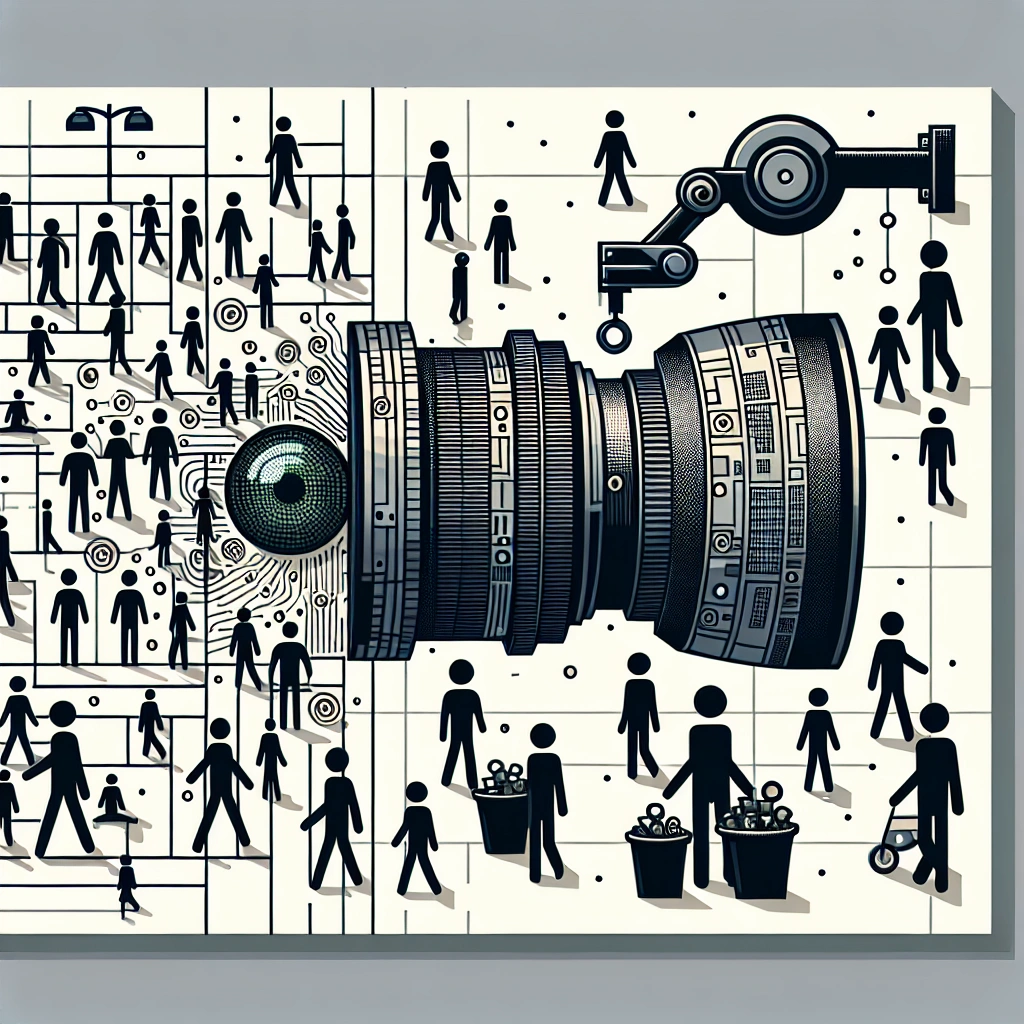
Impact of Computer Vision on Society
На impact of computer vision on society е длабока, revolutionizing various aspects of daily life, технологија, и етички размислувања. Let’s delve into how this cutting-edge technology is shaping our world.
Influence of Computer Vision on daily life
Computer vision algorithms have notably transformed daily life by enhancing convenience and safety. На пример, in the medical field, computer vision aids in diagnosing diseases from medical images, improving healthcare outcomes. Покрај тоа, in retail, it enables personalized shopping experiences through facial recognition technology, revolutionizing the way consumers interact with brands.
Another paramount area influenced by computer vision is smart transportation systems. These systems utilize computer vision to detect obstacles, recognize traffic signs, and facilitate decision-making for self-driving cars. Consequently, this technology enhances road safety and paves the way for a future of autonomous vehicles.
Етички дилеми околу употребата на Computer Vision
Како напредува технологијата за компјутерска визија, се појавуваат етички дилеми во врска со нарушување на приватноста и пристрасност. Етичките размислувања околу собирањето и чувањето на личните податоци преку системите за препознавање лица поттикнаа дебати за прекршување на индивидуалните права и слободи. Покрај тоа, инхерентните предрасуди присутни во алгоритмите за компјутерска визија предизвикуваат загриженост за правичноста и правдата во процесите на донесување одлуки.
Етиката на искористување компјутерска визија во надзорот исто така поставува прашања за рамнотежата помеѓу безбедноста и приватноста. Потенцијалната злоупотреба на оваа технологија за масовен надзор претставува закана за граѓанските слободи и човековите права. Затоа, a critical examination of the ethical implications of computer vision is essential to ensure responsible and sustainable deployment.
Societal changes due to the prevalence of Computer Vision technology
The prevalence of компјутерска визија технологија has catalyzed societal changes across various sectors, fostering innovation and efficiency. На пример, in agriculture, computer vision applications optimize crop management, leading to increased yields and sustainable farming practices. Дополнително, in manufacturing, the implementation of computer vision systems enhances quality control and streamlines production processes.
This technological advancement has also redefined communication by enabling real-time language translation through augmented reality tools. Consequently, people worldwide can bridge linguistic barriers and engage in seamless cross-cultural interactions. Понатаму, in the education sector, computer vision facilitates personalized learning experiences, catering to diverse student needs and enhancing educational outcomes.
На proliferation of computer vision has far-reaching implications on society, influencing daily life, етика, and societal structures. As this technology continues to evolve, it is crucial to navigate the ethical challenges and embrace the transformative potential it holds for shaping a more connected and efficient world.
| Resources |
|---|
| Computer Vision Algorithms in Smart Transportation |
| Ethical Concerns in Computer Vision |
| Prevalence of Computer Vision Syndrome |

What are the key benefits of Computer Vision?
Increased Efficiency: Computer vision can streamline processes by automating tasks like quality control in manufacturing, reducing human error, and increasing production speed.
Enhanced Accuracy: By leveraging advanced algorithms, computer vision systems can detect defects or anomalies with remarkable precision, ensuring high-quality output.
Improved Safety: In industries like healthcare and security, computer vision enhances safety by monitoring environments, detecting potential hazards, and alerting personnel in real-time.
Намалување на трошоците: Through the automation of various tasks, businesses can lower operational costs and increase profitability by minimizing human intervention and enhancing productivity.
Enhanced Customer Experience: Computer vision technologies, such as facial recognition, provide personalized experiences in retail, банкарски, and other sectors, boosting customer satisfaction and loyalty.
Real-time Insights: Computer vision enables instant data analysis and decision-making, facilitating rapid responses to changing conditions and market demands.
Innovative Applications: From autonomous vehicles to augmented reality, computer vision drives breakthrough technologies across diverse industries, revolutionizing how we interact with the world.
Конкурентна предност: Companies leveraging computer vision gain a competitive edge by staying ahead of technological trends, fostering innovation, and meeting evolving consumer expectations.
When you reach the Conclusion на Компјутерска визија, it’s like reaching the summit of technological advancement. Just like a successful entrepreneur who sees the bigger picture amidst challenges, Компјутерска визија opens new horizons за иновации. Imagine a world where machines have eyes as sharp as an eagle and precision as a skilled craftsman!
In a fast-paced world fueled by врвна технологија, Computer Vision offers a glimpse into the future of automated processes и Решенија управувани од вештачка интелигенција. It’s not merely about recognizing images; it’s about revolutionizing индустрии and reshaping our daily lives. Think of it as a symphony where technology orchestrates the perfect harmony of ефикасност и точност.
As we wrap up the discussion on Компјутерска визија, remember that it’s not just about pixels and algorithms; се работи за transforming possibilities into realities. Just as an artist uses a palette of colors to create a masterpiece, Computer Vision uses data to paint a future where innovation knows no bounds. Embrace the evolution, и let curiosity guide you to unravel the mysteries of this groundbreaking technology.
Во областа на Компјутерска визија, the journey never truly ends. It’s a continuous exploration of unlimited potential и unforeseen applications. Just as a scholar is always eager to learn, dive deep into the sea of Computer Vision and unlock the treasure trove of opportunities waiting to be discovered. Со секоја линија код и секој пиксел анализиран, го отвораш патот за а технолошки такт иднина каде што владее иновацијата.
Додека се збогувате со овој дискурс за Computer Vision, запомнете дека не сте сведок само на технолошко чудо; воведувате нова ера на можности и иновации. Тоа е како да садиш семе на знаење кое ќе никне во високо дрво на напредок и просперитет. Значи, оди напред со духот на а визионер, знаејќи дека светот на Computer Vision го држи клучот за иднината каде имагинацијата е единствената граница.
Секогаш запомнете дека Computer Vision не е само фраза; тоа е а порта во свет каде што технологијата и креативноста се спојуваат за да обликуваат иднина надвор од нашите најлуди соништа. Прифатете ги предизвиците, слави победи, и пред се, continue to explore the boundless realms of Computer Vision with the zeal of an explorer venturing into uncharted territory.
| Keep Innovating |
|---|
| Stay Curious |
| Embrace Change |
| Unlock Potential |
Референци
The landscape of Компјутерска визија се развива брзо, demanding continuous educational resources for enthusiasts and professionals. WebFX’s article on the “7 Best SEO Websites for Informational Content in 2024” provides a comprehensive list of platforms like Search Engine Land, Journal, Roundtable, Ахрефс, Јоаст, and Google, enriched with the latest SEO insights and trends.
Semrush’s report on “Врвот 106 SEO Statistics” highlights the dominance of organic search and referral traffic, showcasing their efficiency as primary marketing ROI sources for brands. This statistical data from 2023 lends valuable insights into SEO strategies and trends shaping the industry.
Понатаму, the article on “SEO Trends in 2023: The Ones You Need to Know About” underscores the critical role of Artificial Intelligence in search queries. By integrating AI copywriting tools and emphasizing voice search, businesses can stay ahead of the digital marketing curve and enhance their SEO performance effectively.
За Компјутерска визија enthusiasts looking to stay ahead in 2024, the piece on “SEO Trends 2024 Според 21 Industry Experts” offers a wealth of expertise and forecasts from industry leaders. This edition is a treasure trove of insights, including updated tactics and tools to navigate the evolving SEO landscape successfully.
Understanding how SEO algorithms impact website visibility and ranking is crucial for digital marketers. An insightful post on “The SEO Algorithm Impacts” meticulously dissects the intricate process through which search engines evaluate websites.
This illuminates the critical role of content relevance, корисничко искуство, and backlinks in securing a strong digital presence.
Delving deeper into the realm of search algorithms, the piece on “Understanding the Algorithm Updates and How They Affect SEO” sheds light on Google’s complex evaluation metrics. By deciphering the algorithms that dictate website ranking and visibility, marketers can tailor their strategies to meet the evolving demands of the digital landscape effectively.
Ready to connect? Придружете се на Anpip.com сега! 🌐
Барате разговори во живо, Четрулет, видео разговори, потоци, и заработка со подароци? Anpip.com is your ultimate destination for genuine connections and a fun online environment. 🎉
Проширете ја вашата социјална мрежа денес со посета Anpip.com and start chatting with like-minded individuals. Don’t miss out on the opportunity to make meaningful connections online! 💬🔗
Честопати поставувани прашања
Was versteht man unter Computer Vision?
Computer Vision ist ein Feld innerhalb der künstlichen Intelligenz (KI), das es Computern ermöglicht, Informationen aus Bildern, Videos und anderen Eingaben zu extrahieren.
Einfach erklärt: Was ist Computer Vision?
Das Ziel von Computer Vision ist es, mit Hilfe von Modellen des Maschinellen Lernens (ML) digitale Systeme zu schaffen, die visuelle Daten (Bilder oder Videos) verarbeiten können.
Was ist Computer Vision Syndrom?
Das Computer Vision Syndrom tritt auf, wenn Ihre Augenmuskeln durch das lange Starren auf einen Bildschirm müde werden, was zu Unbehagen und Sehstörungen führen kann.
Was ist das Computer Vision Syndrom?
Computer Vision Syndrom wird durch digitalen Sehstress verursacht und entsteht durch eine Überanstrengung der Augen, insbesondere bei langem Arbeiten am Bildschirm.
What are the basic computer vision problems?
Common computer vision problems include challenges with variable lighting conditions, perspective and scale variability, occlusion, and object recognition.
Your 2024 Guide to the Top 6 Computer Vision Problems
This comprehensive guide explores the six most common computer vision problems in 2024, offering insights into their causes and solutions.
Which are common use cases for computer vision?
Common use cases for computer vision include medical image analysis, object detection in autonomous vehicles, facial recognition, and motion estimation.
27+ Most Popular Computer Vision Applications in 2023
Computer vision applications include object detection, creating 3D maps, motion estimation, and image classification for a wide range of industries.
What are the basics of computer vision?
Computer vision involves teaching computers to interpret digital images, tasks include image classification, откривање на објекти, image segmentation, and image restoration.
A Gentle Introduction to Computer Vision
Computer vision is the automated extraction of information from images, ranging from creating 3D models to recognizing objects and camera positions.
What do you need to know for computer vision?
For computer vision, understanding algorithms for facial recognition, откривање на објекти, image restoration, and edge detection is essential.
How to Learn Computer Vision from Scratch in 2024?
Learn C++ for computer vision, starting with basic syntax, pointers, and fundamental concepts to build a strong foundation in the field.