🚀 Elevate Your Online Social Experience with Anpip.com!
Looking for a dynamic platform for live chats, sohbetên vîdyoyê, û hîn? Anpip.com is your answer! Join now to expand your social network, mirovên nû bibînin, and forge genuine connections in a fun online environment.
Take the first step towards creating meaningful interactions by visiting Anpip.com îro! Ka em sohbet bikin, bihevgirêdan, and earn with gifts together! 🌟
The Benefits of Wind Power
Wind power offers numerous benefits, including being a clean energy source that helps reduce greenhouse gas emissions. It is renewable and sustainable, providing a consistent energy supply without depleting over time. Additionally, wind power brings economic advantages by creating job opportunities, stimulating local economies, and lowering electricity costs for consumers, di dawiyê de îstîqrara darayî û bextewariyê peyda dike.
Ma hêza bayê çavkaniyek enerjiya paqij e? Erê, hêza bayê çavkaniyek enerjiya paqij e ku dibe alîkar ku emîsyonên gaza serayê kêm bikin.
Ma hêza bayê tê nûkirin û domdar e? Erê, hêza bayê tê nûkirin û domdar e, providing a consistent energy supply without depleting over time.
Ma hêza bayê feydeyên aborî tîne? Erê, hêza bayê bi afirandina derfetên kar sûdên aborî tîne, stimulating local economies, and lowering electricity costs for consumers.
Çavkaniya Enerjiya Paqij
Hêza bayê balkêş e çavkaniya enerjiya paqij ku di kêmkirina belavkirina gazên serayê de rolek girîng dilîze, di encamê de têkoşîna li dijî guherîna avhewayê. Bi karanîna hêza bayê bi turbînan re li gorî sotemeniyên fosîl ên kevneşopî bandorek hawîrdorê ya hindiktirîn encam dide, çêkirina wê alternatîfek domdar ji bo bicîhanîna daxwazên enerjiyê. Di dema xebatan de bêyî hilberên zerardar an qirêjî têne berdan, wind power contributes significantly to maintaining air quality and preserving ecosystems.
Renewable and Sustainable
The beauty of wind power lies in its renewable and sustainable awa. Unlike finite fossil fuels, wind is an abundant and inexhaustible resource that offers a consistent energy supply. By utilizing wind turbines to generate electricity, we tap into a continuous source of power that won’t deplete over time, ensuring long-term energy security for future generations. This sustainability aspect makes wind power a reliable and resilient energy solution in the face of growing energy demands globally.
Economic Benefits
Embracing wind power also brings substantial feydeyên aborî to communities and countries alike. Investing in wind energy projects not only creates job opportunities in manufacturing, installation, and maintenance but also stimulates local economies through increased tax revenues and land lease payments. Wekî din, by reducing dependence on costly fossil fuels and imports, wind power promotes energy independence and drives down electricity costs for consumers, fostering financial stability and prosperity.
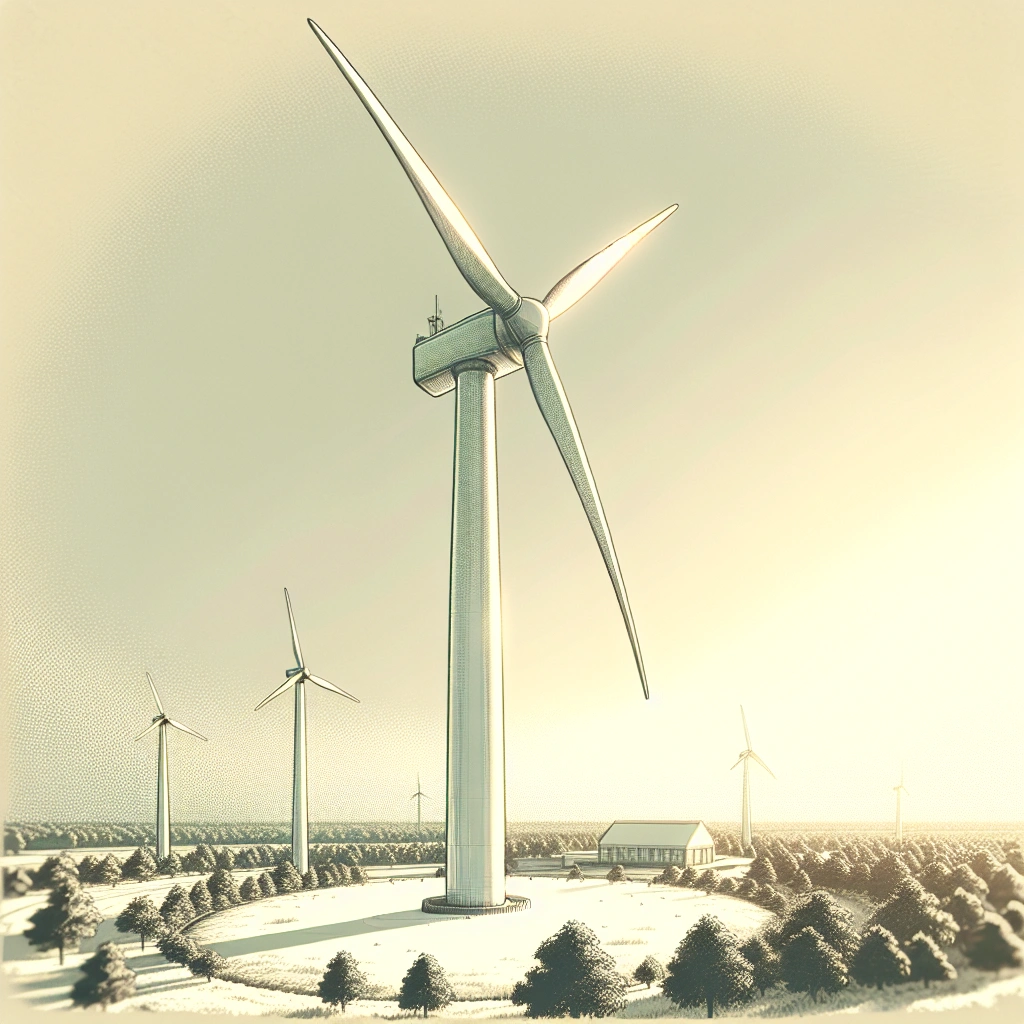
Wind Power Generation
Wind power generation harnesses the power of the ba to produce electricity that is both renewable and sustainable. It serves as a vital component of the global push towards cleaner energy sources. Wind turbines are the key players in wind power generation, equipped with blades that spin due to the force of the wind.
Turbines and Blades
Wind turbines consist of blades that capture the wind’s energy, yek rotor that converts rotational energy, û a generator that produces electricity. The design of these blades plays a crucial role in efficiently capturing wind energy. Various turbine designs, giştî horizontal-axis û vertical-axis turbines, cater to different environmental conditions.
How Wind Energy is Converted to Electricity
The conversion of wind energy to electricity is a fascinating process. As the wind hits the blades of a turbine, they start to rotate and turn the rotor. The rotor, in turn, spins the generator, which converts the mechanical energy into electrical energy. This electricity is then fed into the power grid for distribution to homes and businesses.
Grid Integration
Grid integration is essential for effectively managing the electricity generated by wind farms. Challenges such as grid stability and congestion on transmission lines must be addressed. By optimizing grid infrastructure and implementing teknolojiyên tora jîr, hêza bayê dikare bi bandor di tora elektrîkê ya heyî de were yek kirin.
| Blade Design | Terîf |
|---|---|
| Horizontal-axis | Bi gelemperî di turbînên bayê yên mezin de têne bikar anîn, ev firax wek perwanekê dizivirin, ji bo karîgeriya herî baş li ber bayê rûdinin. |
| Vertical-axis | Tûrbînên-xebata vertîkal xwedan lewheyên ku di rêgezek vertîkal de hatine rêz kirin, minasib ji bo deverên bajarî û cihên ku rêwerzên bayê diguherînin. |
Bi dîtina sêwirana blade, karîgeriya turbînê, û dijwariyên entegrasyona torê, pîşesaziya hilberîna hêza bayê ji bo pêşerojek domdar di hilberîna elektrîka paqij û nûjen de pêşde diçe.
Ji bo agahdariya berfirehtir li ser xebata turbîna bayê û veguherîna enerjiyê, hûn dikarin çavkaniyên ku li jêr têne peyda kirin lêkolîn bikin:
Investment Trends in Wind Power
Global investments in wind energy technologies have seen significant growth, reaching approximately 175 billion U. S. dollars in 2022 ji 75.4 billion U. S. dollars in 2011. Countries like the United States have been actively investing in wind power R&D since 1976, emphasizing a long-standing commitment to advancing the sector. Future projections suggest a substantial increase in investments, particularly in offshore wind, highlighting the industry’s potential for innovation and development in the coming years.
Global Investment Overview
Global investments in ba energy technologies have surged to approximately 175 billion U. S. dollars in 2022, showcasing significant growth over the last decade. Li 2011, ba energy attracted investments totaling 75.4 billion U. S. dollars. These figures underline the robust financial support and confidence placed in ba power as a sustainable energy source. The consistent rise in global investments signifies the promising future prospects of the ba energy sector.
Investment in Research and Development
Countries like the United States have been at the forefront of ba power R&D investments since 1976, highlighting a longstanding commitment to advancing ba energy technology. Such continuous investments in research and development play a pivotal role in enhancing the efficiency and effectiveness of ba power generation. The innovation and advancements derived from these investments contribute significantly to the growth and sustainability of the ba energy industry.
Future Projections
Future ba power investments are projected to climb substantially, particularly in the offshore sector. According to IRENA, the global average annual investments for offshore ba would need to triple by 2030 to approximately USD 61 billion per year and more than quintuple to USD 100 billion per year by 2050, compared to 2018 investment levels. These ambitious projections reflect the growing recognition and prioritization of ba power as a primary renewable energy source for the future, emphasizing the substantial potential for innovation and development in the sector.
| Year | Wind Energy Investments (USD) |
|---|---|
| 2011 | 75.4 billion |
| 2022 | 175 billion |
Wind Costs and Affordability
The costs associated with wind power have significantly decreased in recent years, with onshore wind energy costs dropping by 68% and offshore costs by 59%, further declining by 15% û 13% li 2021, respectively. Factors influencing wind power costs include turbine size, site selection, maintenance expenses, grid connection costs, and the regulatory environment. Lêkolînên li ser analîza lêçûnê di derheqê lêçûnên di asta pêkhatî de û guhezbariya di enerjiya bayê de lêçûnên astî yên enerjiyê de têgihiştinan peyda dikin., ronîkirina bandora van faktoran li ser erzanbûn û domdariya projeyên hêza bayê.
Trendên Mesrefê Ser Demê
Di salên dawî de, ew mesrefên li gel Wind power girîng nîşan dane kêm dibe. Bo nimûne, Li gorî raporek Harvard Business Review, lêçûnên enerjiya bayê bejahî bi ser ketine 68%, dema ku lêçûnên deryayî dît a 59% kêmbûn, bi pêvek 15% û 13% ketin hundir 2021, respectively. Eva kêmkirina tûj di lêçûn de beşek ji pêşkeftinên teknolojîk û aboriyên pîvanê ne. Wekî encamek, navber 2010 û 2021, kapasîteya bayê bejê zêde bû çar qat, dema ku kapasîteya deryayî şahidiya an yanzdeh qat mezinbûnî.
Faktorên ku bandorê li lêçûnên hêza bayê dikin
Mesrefên bi Wind power ji hêla faktorên cûrbecûr ve têne bandor kirin ku rasterast bandorê li giştî dike erzanî hilberîna enerjiya bayê. Yek faktorek girîng e mezinayî ji turbînên bayê, wek ku ji turbinên mezintir bi awayekî berbiçav beşdarî kêmkirina mesrefa di salên dawî de tê dîtin. Ji bilî, ew site selection roleke girîng dilîze, bi bejê û deryayê cihên ku dînamîkên lêçûnên cûda hene. Mesrefên lênêrînê, grid connection costs, û hawîrdora birêkûpêk jî bandorek giran li ser dike mesrefên giştî projeya hêza bayê.
| Faktorên ku bandorê li lêçûnên hêza bayê dikin |
|---|
| 1. Mezinahiya Turbine: Tûrbînên mezin lêçûn kêm dikin. |
| 2. Hilbijartina Malperê: Cihên deryayî û deryayî xwedan strukturên lêçûnên cihê ne. |
| 3. Lêçûnên Maintenance: Lênêrîna birêkûpêk lêçûnên zêde çêdike. |
| 4. Girêdana Grid: Mesrefên ku bi girêdana zeviyên bayê bi torê ve girêdayî ne. |
| 5. Jîngeha Rêkûpêk: Rêzikname bandorê li lêçûnên giştî yên projeyê dike. |
Ji bo agahiyên berfirehtir li ser aborîya hêza bayê, hûn dikarin li ser bixwînin encamên analîza mesrefê, ku li ser lêçûnên asta pêkhatî û guhezbariya enerjiya bayê lêçûnek astî ya enerjiyê têgihiştinê peyda dike (LCOE). Eva lêkolînên berfireh ronahiyê bide ser herduyan feydeyên aborî û ramanên jîngehê bi hêza bayê ve girêdayî ye, nîşankirina hêmanên cihêreng ên ku bandorê li ser dikin erzanî û domdariya projeyên hêza bayê.
Karkirina Enerjiya Vejenbar li gorî Welat
Enerjiya nûjenkirî, giştî Wind power, bûye çavkaniyek girîng a afirandina kar li cîhanê. Bi derbasbûna ber bi çavkaniyên enerjiyê yên paqijtir her ku diçe geş dibe, sektora enerjiya dikare bê nûkirin, bi taybetî sektora hêza bayê, di warê derfetên kar de pêşkeftinek berbiçav dîtiye.
Afirandina Kar di Sektora Hêza Bayê de
Sektora hêza bayê di afirandina derfetên kar de li welatên cûrbecûr ajokarek sereke ye. Bo nimûne, ligor Stateman, karên girêdayî enerjiya bayê li çaraliyê cîhanê gihîştin 1.4 milyon in 2022, bi salan zêdebûnek domdar nîşan dide. This industry has not only contributed to sustainable energy generation but also provided numerous jobs in manufacturing, installation, lênerrînî, and research and development sectors.
Ji bilî, the wind power sector has played a crucial role in fostering skilled workforce development. Job roles in this sector range from project managers and engineers to technicians and electricians, creating a diverse employment landscape. Countries like Germany, Japan, the Republic of Korea, Spain, and the Netherlands have been at the forefront of Wind power installations, emphasizing the profound impact of wind energy on job creation and economic growth.
Top Countries for Renewable Energy Employment
Country rankings in renewable energy employment reflect the global shift towards sustainable energy practices. Top countries such as Germany, Japan, the Republic of Korea, Spain, and the Netherlands have demonstrated remarkable progress in incorporating renewable energy sources into their energy mix, consequently leading to a surge in job opportunities. The commitment of these nations to harnessing the power of Wind power and other renewable sources has not only reduced carbon emissions but also paved the way for a greener and more job-rich future.
Further emphasizing the importance of renewable energy in job creation, annual reviews such as Renewable Energy and Jobs – Annual Review 2021 shed light on the diverse skill sets required in the renewable energy sector. From scientists and engineers to welders and crane operators, the renewable energy industry offers a wide array of employment options, driving economic prosperity and sustainable development.
The efforts towards expanding Wind power and other renewable energy sources have not only transformed the global energy landscape but have also catalyzed job creation in various countries. From skilled professionals to entry-level workers, the renewable energy sector offers a plethora of employment opportunities, making it a driving force for sustainable development and economic growth.
🌟 Ji bo Têkilî û Qezencê amade ne? Visit Anpip.com Now! 🌐
Li sohbetên zindî digerin, Chatroulette, sohbetên vîdyoyê, streams, and earning opportunities with gifts? Anpip.com is your ultimate destination! Join us today to expand your social network and forge genuine connections in a fun online environment. Don’t miss out on the excitement – click here to visit Anpip.com niha: Anpip.com 🚀
Offshore Wind Energy Innovations
The advancements in offshore wind technology have led to innovations such as floating wind turbines and smart grid integration, increasing energy production efficiency. Erê, advancements in larger turbines and advanced monitoring systems have boosted overall capacity and reliability of offshore wind farms. Challenges like high costs and weather impact are being addressed through innovative financing models, design enhancements, and improved supply chain management to drive further offshore wind energy innovations.
Advancements in Offshore Wind Technology
Wind power has witnessed remarkable advancements in offshore wind technology, paving the way for more efficient and sustainable energy production. Innovations include the development of floating wind turbines that can be deployed in deeper waters, harnessing stronger and more consistent wind currents for optimal energy generation.
Ji bilî, entegrasyonê ya teknolojiyên tora jîr has revolutionized how offshore wind power is managed and distributed, dabînkirina dabînkirina enerjiyê ya bi îstîqrar û pêbawer. Van pêşkeftinan bi girîngî kapasîteya giştî û karbidestiya parzûngehên bayê yên deryayî zêde kiriye, ku wan di veguheztina gerdûnî ya ber bi çavkaniyên enerjiyê yên nûjen de pêkhateyek girîng e.
Pêşveçûnek berbiçav karanîna wê ye turbinên mezintir û bi hêztir, karibe bi kêmkirina lêçûnên lêçûnên hilberanên bilindtir çêbike. Van nûbûnên han rê li ber zêdebûnek berbiçav di hilberana enerjiyê ya giştî ya zeviyên bayê yên deryayî de girtine., wekî çareseriyek enerjiyê ya demdirêj pêşbazî û zindîbûna wan zêde dike.
Additionally, pêkanîna sîstemên çavdêrîkirina pêşketî berhevkirin û analîzkirina daneyan di dema rast de çalak kiriye, rê dide stratejiyên lênihêrîna pêşkeftî û xweşbîniya xebitandinê. These technological enhancements have greatly improved the overall performance and reliability of offshore wind systems, ensuring consistent energy production under varying environmental conditions.
Wekî din, the development of innovative foundation designs has enabled offshore wind farms to operate in deeper waters, unlocking new areas with optimal wind resources for renewable energy production. These advancements have expanded the geographical scope of offshore wind projects, enhancing their scalability and potential impact on global energy markets.
Challenges and Solutions in Offshore Wind Development
While offshore wind technology has made significant strides, it also faces various challenges that need to be addressed for sustained growth and success. One major hurdle is the escalating mesrefên associated with offshore wind projects, stemming from complex installation processes, maintenance requirements, and logistics.
To tackle these challenges, industry stakeholders are exploring innovative financing models and cost-effective technologies to improve the economic viability of offshore wind developments. Strategic partnerships and collaborations are being forged to drive down costs and enhance the overall competitiveness of offshore wind energy in the market.
Another critical challenge is the impact of weather conditions on offshore wind operations, including extreme storms and harsh marine environments that can affect the performance and longevity of wind turbines. Innovative solutions such as robust design enhancements and predictive maintenance strategies are being implemented to mitigate these risks and ensure the resilience of offshore wind systems.
Addressing astengiyên zincîra peydakirinê ji bo mezinbûna domdar a projeyên bayê deryayî jî girîng e, hewcedariya lojîstîkek birêkûpêk û radestkirina bikêrhatî ya pêkhateyan ji cihên dûr ên deryayê re heye. Lîstikvanên pîşesaziyê veberhênanê dikin kapasîteyên hilberîna herêmî û pratîkên rêveberiya zincîra peydakirinê zêde kirin da ku astengiyan kêm bikin û demên projeyê xweştir bikin.
Bikaranîna nûbûn û çareseriyên stratejîk ên domdar ji bo derbaskirina pirsgirêkan û ajotina pêşkeftinên di teknolojiya bayê deryayî de pir girîng e.. Bi çareserkirina astengiyên sereke û hembêzkirina pratîkên domdar, pîşesaziya bayê deryayî dikare wekî çavkaniyek sereke ya enerjiya nûvekirî pêşkeftina xwe bidomîne, ji bo pêşerojeke kesktir û domdartir ji bo nifşên bê.
Bandora Hêza Bayê li ser Dekarbonîzasyonê
Wind power plays a crucial role in decarbonizing the energy sector by significantly reducing carbon emissions and promoting sustainable development. With its low CO2 emissions per kilowatt-hour generated, wind energy helps in lowering air pollution levels and combating climate change. Embracing both onshore and offshore wind technologies is essential for achieving decarbonization goals and transitioning towards renewable energy sources.
Wind Power’s Role in Reducing Carbon Emissions
Wind power de rolek girîng dilîze kêmkirina belavkirina karbonê and combating climate change. It produces only 11 grams of CO2 per kilowatt-hour (g CO2/kWh) of electricity generated, far less than coal and natural gas. This significant difference underscores the environmental benefits of wind energy.
Wind turbines contribute to a cleaner environment by reducing electricity generation from fossil fuels, resulting in lower total air pollution and carbon dioxide emissions. This reduction in emissions is crucial for achieving decarbonization goals and creating a sustainable energy future.
By harnessing the power of natural resources, wind energy helps in decarbonizing the energy sector and shifting towards renewable sources that do not produce harmful greenhouse gas emissions. This transition is essential for mitigating the impacts of climate change.
Decarbonization Strategies in the Energy Sector
Decarbonization of the energy sector involves embracing innovative technologies like wind power, investing in renewable energy, and implementing policies that support sustainable development. These strategies are key to achieving carbon neutrality and reducing the reliance on fossil fuels.
Transitioning to renewable energy technologies wekî solar and wind power is critical for decarbonizing the carbon-intensive energy sector. These technologies provide a clean and sustainable alternative to traditional energy sources, benefiting both the environment and public health.
The global installed wind energy capacity plays a significant role in mitigating CO2 emissions and reducing temperatures. Studies show that wind energy can reduce a substantial amount of CO2 emissions, contributing to global efforts to combat guherîna seqayê.
Hembêz kirin onshore and offshore wind technologies is essential for sustainable energy pêşveçûnî. Onshore wind energy is a proven technology with a global supply chain, while offshore wind is rapidly expanding, contributing to the diversification of renewable energy sources.
| Wind Power Benefits for Decarbonization: |
|---|
| – Reduces carbon emissions |
| – Lowers air pollution levels |
| – Contributes to sustainable energy transition |
| – Mitigates CO2 emissions and temperature rise |
Ji bo agahdariya berfirehtir, hûn dikarin li ser bixwînin how wind can help us breathe easier û ya decarbonization of the energy sector to understand the critical role of wind power in achieving carbon reduction goals.
Historical Facts About Wind Power
Wind power has a rich history dating back to 5,000 BC when people used wind energy to propel boats on the Nile River. Ji 200 BC, simple wind-powered water pumps were employed in China, and windmills with woven-reed blades were grinding grain in Persia and the Middle East. These early uses showcased the practicality û kêrhatîya bicîanîn of wind power in various applications.
Early Use of Wind Energy
During the 19th century, the first wind turbine for electricity production was constructed in Scotland by Prof. James Blyth in July 1887. This marked a pivotal moment in harnessing wind power for generating electricity, paving the way for future advancements in renewable energy teknolocî. Countries like Denmark and the American Midwest quickly embraced wind power for its sustainable û environmentally friendly characteristics.
The development of electric power in the late 19th and early 20th centuries saw wind power being used in various applications, particularly in lighting buildings remote from centrally generated power sources. This integration of wind power into everyday life highlighted its versatility and reliability as an alternative energy kanî.
Evolution of Wind Power Technology
Since the 1970s, the evolution of wind power technology has accelerated due to advancements in material science, endezyariyê, û government support. This progress has led to the creation of more efficient û powerful wind turbines that can generate substantial amounts of electricity. Ew pêbawerî û mesrefa-bandor of wind power technology have made it a crucial player in the global shift towards sustainable energy sources.
The journey of wind power from ancient civilizations using it for basic needs to modern societies incorporating it into their energy mix is a testament to the enduring qaweta veşartî û versatility of this renewable energy source.
| Wind Energy Milestones |
|---|
| Prof. James Blyth constructs the first wind turbine in Scotland for electricity production in July 1887 |
| Usage of wind power in lighting buildings in the 20th century remote from centrally generated power |
| Acceleration of wind power technology evolution since the 1970s |
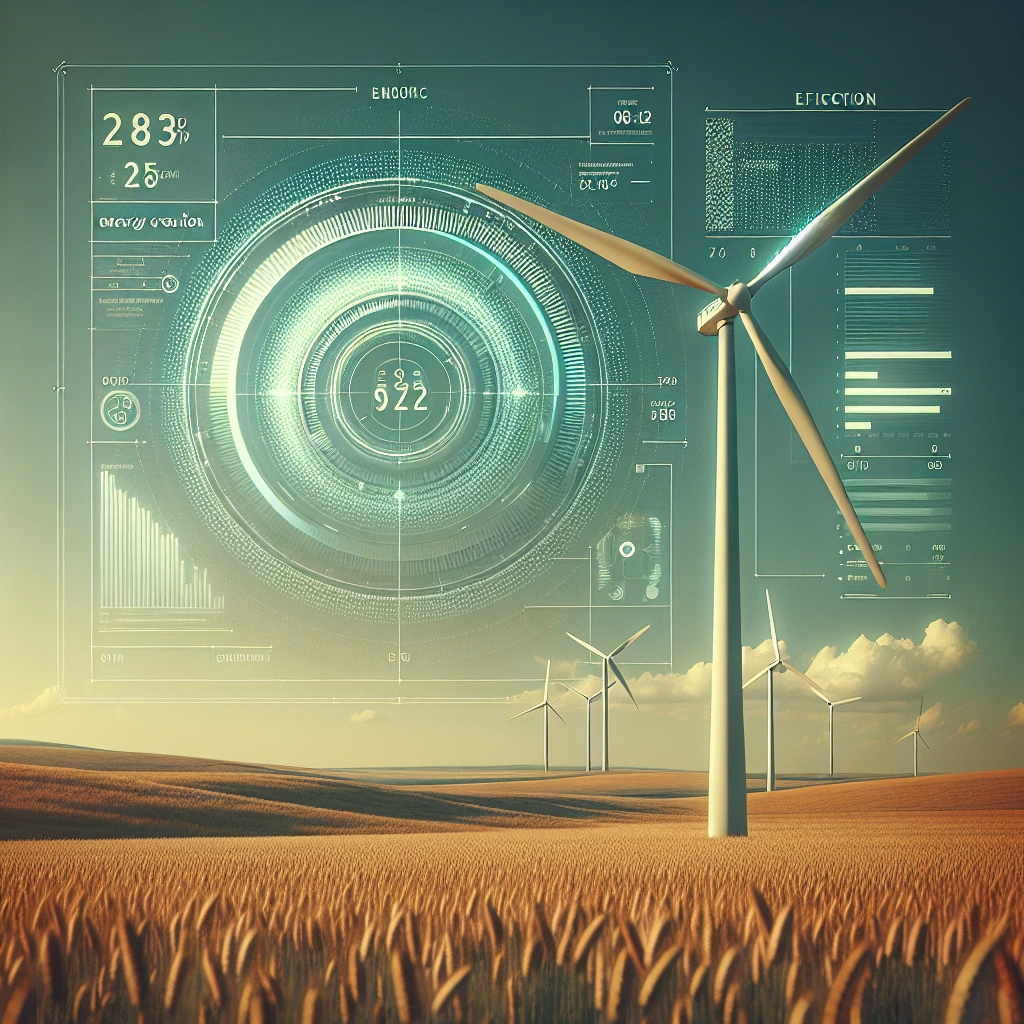
Wind Power Statistics and Data
The global wind power capacity reached 906 GW in 2022, with a 9% increase from the previous year, showcasing significant growth in wind energy adoption. The top nations leading this renewable energy charge include China, the United States, Germany, and India, with China emerging as a dominant force in wind power generation. This surge in wind energy production has contributed to a 14% rise in wind electricity generated globally, surpassing 2,100 TWh, highlighting the role of wind power in driving sustainable energy transformation.
Global Wind Power Capacity
The global wind power capacity in 2022 reached a monumental 906 GW, with an impressive addition of 77.6 GW during that year alone. This growth represented a 9% increase from the previous year, showcasing the soaring popularity and adoption of wind energy on a global scale.
The top nations leading this renewable energy charge include China, the United States, Germany, and India, with China emerging as a dominant force in wind power generation.
Wind energy has been a key player in the transition towards more sustainable and eco-friendly energy sources, offering a clean alternative to traditional fossil fuels. The significant expansion of wind power capacity worldwide highlights the shift towards cleaner energy production methods, reducing carbon emissions and environmental impact substantially.
The growth of wind power capacity aligns with the increasing global focus on combating climate change and promoting green energy solutions.
Growth Trends in Wind Energy Production
- This surge amounted to a 14% rise, surpassing 2,100 TWh of wind electricity generated globally
Investment and production in wind energy continue to be key areas of interest, with global wind capacity additions witnessing fluctuations over the past few years. The International Energy Agency (IEA) foresees accelerated growth in renewable energy, encompassing wind and solar power sectors.
Hêza bayê ji bo welatan wekî alîkariyek bingehîn derdikeve pêş’ berfirehkirina kapasîteya dikare were nûkirin, potansiyela wê ya mezin di ajotina veguherîna enerjiya domdar de nîşan dide.
Kop 10 Neteweyên Pêşerojê Di Enerjiya Bayê de
- çîn: Bi sazkirinên girîng ên hêza bayê re pêşengiya perestgeha enerjiya bayê ya gerdûnî dike.
- Dewletên Yekbûyî: Di hilberîna enerjiya bayê de gavên girîng avêtin, bi giranî li tevliheviya giştî ya enerjiya nûjenkirî ya welêt zêde dike.
- Germany: Di pejirandina hêza bayê de lîstikvanek sereke, pabendbûna bi çareseriyên enerjiya paqij nîşan dide.
- Hindistan: Di hilberîna enerjiya bayê de wekî pêşeng derdikeve pêş, bi girîngî beşdarî armancên enerjiya nûjen ên welêt dibe.
- Spain: Pêşketinên berbiçav di binesaziya enerjiya bayê û kapasîteyê de nîşan dide, ajotina mezinbûna enerjiya kesk.
- Inglîz: Prioritizing wind power investments to reduce reliance on conventional energy sources.
- Brazil: Expanding wind energy production to meet rising energy demands sustainably.
- France: Enhancing wind energy capacity to support the country’s renewable energy objectives.
- Canada: Increasing efforts to harness wind power for a greener energy future.
- Italy: Embracing wind energy solutions to reduce carbon footprint and promote environmental sustainability.
Ji bo agahdariya berfirehtir, hûn dikarin li ser bixwînin global wind energy reports in 2022 û wind energy statistics in Europe to stay updated on the latest trends and developments in the wind power industry.
How Does Wind Power Compare to Other Renewable Energy Sources?
Wind power stands as one of the leading renewable energy sources in the world, alongside solar, hydroelectric, biomass, and geothermal energy. When compared to traditional fossil fuels, wind energy boasts environmental benefits, being an emissions-free source of electricity.
This contrasts sharply with fossil fuels that contribute significantly to global warming and air pollution. In terms of efficiency, wind turbines can convert up to 60% of the energy they harness from the wind into usable electrical energy, outperforming solar panels, which only convert around 22% of harnessed sunlight energy into electricity.
When we delve deeper into the economic aspect, wind power emerges as a cost-effective alternative to other energy sources like fossil fuels. A 3-MW wind plant generates electricity at a significantly lower cost compared to fossil fuels, making wind energy more economically viable in the long run.
This makes wind power an attractive option for businesses and individuals looking to reduce operational costs and promote sustainability simultaneously.
Despite its numerous advantages, wind power does have some limitations. Contrary to solar energy, wind power is intermittent and heavily reliant on windy conditions in a particular area.
This intermittency can pose challenges for energy stability and grid reliance compared to more constant energy sources like hydroelectric power. Additionally, wind turbines can have environmental impacts such as bird collisions and noise disturbances, which need to be addressed for sustainable wind energy implementation.
Diving into the competitive landscape, wind power competes directly with other renewable energy sources like solar power. Hem ba û hem jî tav vebijarkên populer in ji bo hilberîna enerjiya paqij li Dewletên Yekbûyî.
Lebê, dema ku faktorên wekî karbidestiya veguherîna enerjiyê têne hesibandin, mesrefa-bandor, û bandora jîngehê, hêza bayê bi gelemperî di çarçoveyek taybetî de wekî bijarek bilindtir derdikeve holê. Dema ku enerjiya rojê avantajên xwe hene, hêza bayê li deverên ku bi şêwazên bayê domdar û cîhên vekirî yên mezin ji bo sazkirinên zeviyên bayê şewq dide.
Hêza bayê di nav vebijarkên cihêreng ên enerjiya nûvekirî de bilind e, di karîgeriyê de hêza xwe nîşan dide, mesrefa-bandor, û feydeyên jîngehê. Bi bikaranîna hêza bayê, civak dikarin derbasî pêşerojeke domdartir bibin, kêmkirina pêbaweriya bi sotemeniyên fosîl û kêmkirina bandorên guherîna avhewayê.
| Çavkaniyên enerjiyê yên nûjenkirî | Xalên sereke |
|---|---|
| Hêza bayê | Emîsyonê-free, efficient (60% gûhertinî), mesrefa-bandor |
| Hêza Rojê | Ji hêla hebûna tîrêja rojê ve sînorkirî ye, kêmtir bi bandor (22% gûhertinî) |
| Hêza Hîdroelektrîkê | Reliant on water flow, consistent but location-dependent |
| Biomass | Utilizes organic waste, variable efficiency based on feedstock |
| Geothermal Energy | Harnesses heat from Earth’s interior, limited by geographical availability |
The Role of Wind Power in the Energy Transition
Wind power plays a crucial role in the ongoing energy transition towards a sustainable future. By harnessing the power of wind to generate electricity, we can significantly reduce our reliance on fossil fuels. This shift is essential for combating guherîna seqayê by decreasing greenhouse gas emissions and moving towards a cleaner energy mix.
One of the significant benefits of wind power is its renewability. Unlike finite fossil fuel resources, wind is an inexhaustible source of energy, çêkirina wê a vital component in our drive towards a more environmentally friendly and efficient energy system.
Investments in wind power technologies have been steadily increasing globally, reflecting the growing acknowledgment of its economic viability û environmental benefits. As advancements continue, we can expect enhancements in efficiency, lower costs, and increased pêxistinî with the overall energy grid.
Potential for Further Expansion in Wind Energy Industry
The wind energy industry holds tremendous potential for further growth and development in the coming years. With the rapid innovation û advancements in wind turbine technology, we are witnessing a surge in capacity û kêrhatîya bicîanîn across wind farms worldwide.
Ew global market for wind power is projected to expand significantly in the next decade, with forecasts indicating remarkable mezinbûnî in the adoption of wind energy. This expansion presents unprecedented opportunities bo afirandina kar in the renewable energy sector and economic growth through clean energy initiatives.
Governments and organizations are increasingly recognizing the strategic importance of wind power in achieving energy security û meeting climate goals. Encouraging investment in renewable energy infrastructure will be critical for further advancing wind power and fostering sustainability in our energy landscape.
The future outlook for wind power is bright. As we continue to prioritize clean energy solutions û innovative technologies, wind power will undeniably play a central role in shaping a more sustainable and greener future for generations to come.
| External References: |
|---|
| The Role of Wind Power in Energy Transition |
| Global Wind Power Market Outlook |
| Advantages of Wind Energy |
It is important to create a compelling Call to Action (CTA) that motivates users to take action. Below is a sample CTA crafted for the brand “Anpip.com” in markdown format:
#
Bihevgirêdan, Galgalkirin, Earn: Îro beşdarî Anpip.com bibin!
Looking for a platform to connect with others, have fun with live chats, û tewra bi diyariyan xelatan jî bi dest bixin? Bêtir nenêrin! Anpip.com is your go-to destination for authentic connections and exciting interactions in a vibrant online environment.
Expand Your Social Circle, Explore New Horizons
Bihevgirêdan Anpip.com now to explore a world of possibilities. From live chats to Chatroulette, sohbetên vîdyoyê, û çeman, there’s something for everyone. Take the first step towards expanding your social network and forming genuine connections today!
Ready to Dive In?
Serdan Anpip.com to embark on a journey of discovery and camaraderie. Don’t miss out on the opportunity to engage, bihevgirêdan, and earn in a uniquely rewarding online community. Click the link to begin your adventure now!
Pirsên Pir Pir Pirs
Do wind turbines make noise?
Wind turbines can produce noise, but advancements in technology have reduced the sound levels significantly.
Is wind power more expensive than other forms of energy?
Wind power is becoming increasingly competitive with traditional forms of energy and is often cost-effective.
Where are wind turbines manufactured?
Wind turbines are manufactured in various locations around the world, with notable production hubs in countries like China, the United States, and Germany.
How can I find a job in the wind industry?
There are numerous job opportunities in the wind industry, including positions in engineering, project management, lênerrînî, û hîn. Job listings can be found on industry websites and job boards.
Does wind power help in the fight against climate change?
Erê, wind power is a clean and renewable energy source that can reduce greenhouse gas emissions and combat climate change.
Are investments in wind power technology on the rise?
Erê, there is a growing trend of investments in wind power technology as governments and businesses seek to transition to sustainable energy sources.
Wind turbines may look simple but they are actually very complex.
Wind turbines are sophisticated pieces of technology that involve intricate engineering and design to efficiently harness wind energy.
A single wind turbine can stand almost four times as high as Optus Stadium.
Wind turbines can reach impressive heights, showcasing the vast potential for wind energy generation.
A wind-turbine blade with maximal length equal to 210 feet.
Wind turbine blades are substantial in size, maximizing their ability to capture wind and convert it into energy.
Wind turbine towers average over 320 feet tall.
The towering height of wind turbine towers allows for optimal wind capture and energy production.
Wind turbines are big.
Wind turbines are indeed large structures, ensuring efficient operation and energy generation.
Wind turbine blades average 210 feet long.
The lengthy blades of wind turbines are designed to capture as much wind energy as possible for conversion into electricity.
Top Wind Energy Problems Facing the Industry
Some challenges in the wind energy sector include rising costs of materials, availability of lubricants, and grid integration issues.
Aging turbines.
As wind turbines age, they may require more frequent maintenance and repairs, posing challenges for wind farm operators.
Severe weather and weather inconsistency.
Extreme weather events and inconsistent wind patterns can impact the efficiency and reliability of wind energy generation.
Maintenance issues.
Regular maintenance is essential for ensuring the optimal performance and longevity of wind turbines.
Theft.
Theft of valuable components from wind farms can disrupt operations and lead to financial losses.
Circular economy.
Promoting a circular economy approach can help address sustainability challenges and minimize the environmental impact of wind energy projects.
There appear to be at least three important environmental factors that affect wind power generation.
Wind speed, wind direction, and air density are key environmental factors that influence the efficiency and output of wind power generation.
Area of rotor; Wind velocity; Air density. Rotor Area.
Factors such as the size of the rotor area, wind speed, and air density play crucial roles in determining the output of wind power.