Join Anpip.com Today for Exciting Online Connections! 🌟
Ուսումնասիրեք կենդանի զրույցները, Զրուցարան, վիդեո զրույցներ, հոսքեր, և Anpip.com-ում նվերներով վաստակելու հնարավորություն! Միացե՛ք հիմա՝ ընդլայնելու ձեր սոցիալական ցանցը և բացահայտելու իրական կապերը զվարճալի առցանց միջավայրում.
Ready to embark on this exciting journey? Click below to join Anpip.com now:
Political Factors
Political factors directly impact businesses by influencing government policies, կանոնակարգերը, and market conditions. These factors can create challenges or opportunities for businesses based on political decisions that impact production costs, շուկա մուտք, և շահութաբերություն. Companies must stay informed, adapt swiftly, and conduct thorough analyses to navigate political uncertainties and sustain long-term growth.
Impact of Political Factors on Businesses
Political factors play a crucial role in shaping the landscape for businesses. Government decisions on policies like labor laws, taxes, and trade agreements directly influence business operations and strategies. Օրինակ, changes in regulations can impact production costs and market access.
Այն political environment significantly influences business entities in various ways. Bureaucracy, corruption levels, trade restrictions, և freedom of the press can create challenges or opportunities for businesses to navigate. Օրինակ, restrictions on imports due to political tensions can hinder international trade.
Այն political climate can be a double-edged sword for businesses. While stable governance can provide a conducive environment for growth, political uncertainties can lead to disruptions and financial losses. Companies need to հարմարվել swiftly to changing government policies to mitigate risks and leverage emerging opportunities.
Tariffs and changes in tax policies can directly impact the profitability of businesses. Օրինակ, an increase in import tariffs can raise production costs, affecting pricing strategies and market competitiveness. Political instability can lead to unpredictability in tax regimes, increasing financial risks for businesses.
Կարգավորման փոփոխություններ driven by political decisions can force businesses to recalibrate their strategies. Antitrust laws, education regulations, և trade control policies can shape market dynamics, influencing competition and market entry barriers. Adapting to these regulatory shifts is vital for sustaining business growth.
To thrive amidst political uncertainties, businesses must adopt a proactive approach in monitoring political developments և evaluating risks. By staying informed about potential impacts of political decisions, companies can devise agile strategies to mitigate risks and capitalize on emerging market opportunities.
Political factors have a direct correlation with business performance. Հետեւաբար, conducting a comprehensive PESTEL analysis that includes a deep dive into political factors is essential for businesses to assess risks, anticipate changes, and align their strategies accordingly. Adaptation to political fluctuations is key to long-term business sustainability and success.
The interplay between politics and business is intricate and can significantly shape economic environments. By understanding the impact of political factors and embracing ճկունություն, businesses can navigate challenges, օգտվել հնարավորություններից, and foster ճկունություն in dynamic political landscapes.
Economic Factors
Economic factors such as inflation, տոկոսադրույքները, consumer confidence, տնտեսական աճը, and unemployment rates are crucial considerations in a PESTEL analysis. These factors directly impact a company’s profitability, մրցունակություն, and overall sustainability. By analyzing these economic factors, organizations can make informed strategic decisions to navigate economic challenges effectively and capitalize on growth opportunities.
Analyzing Economic Factors in PESTEL Analysis
Economic factors play a crucial role in a PESTEL analysis as they encompass the economic conditions that can impact an organization’s profitability and sustainability. One key economic factor to consider is inflation, which can significantly affect businesses by increasing costs of materials and products, potentially leading to higher consumer prices, affecting competitiveness, and ultimately lowering profits. As inflation rises, businesses may face challenges in maintaining their market position and managing their finances effectively.
Another vital economic factor is տոկոսադրույքները, which have a direct influence on various aspects of the economy, including investment, inflation, employment, government debt, consumer debt, and international trade. Central banks often use interest rates as a mechanism to regulate economic activities and maintain stability. For businesses, fluctuating interest rates can affect borrowing costs, ներդրումային որոշումներ, and overall financial health.
Լրացուցիչ, consumer confidence stands as an essential economic indicator that influences business success. High levels of consumer confidence usually translate into increased spending, positively impacting sales and revenue for businesses across various industries. Ընդհակառակը, low consumer confidence may lead to reduced spending, affecting businesses reliant on consumer purchases and discretionary spending.
Economic growth and development are fundamental economic factors that reflect the overall health of an economy. Strong economic growth tends to create opportunities for businesses to expand, generate higher revenues, and create more jobs. Մյուս կողմից, economic downturns or stagnation can pose challenges for organizations, leading to decreased revenues and potential downsizing.
Ավելին, unemployment rates are a critical economic factor to consider in a PESTEL analysis as they directly impact consumer spending, market demand, and overall economic stability. High unemployment rates can result in reduced consumer purchasing power, affecting businesses that rely on consumer demand for their products or services. Ընդհակառակը, low unemployment rates usually indicate a healthy job market and increased consumer spending.
Economic factors in a PESTEL analysis provide valuable insights into the external economic environment that can affect a company’s strategic decisions and long-term sustainability. By analyzing inflation, տոկոսադրույքները, consumer confidence, տնտեսական աճը, and unemployment rates comprehensively, organizations can adapt their strategies to navigate through economic challenges effectively and capitalize on growth opportunities.
| Economic Factor | Կարևորություն |
|---|---|
| Inflation | Impacts costs, consumer prices, մրցունակություն, և շահութաբերություն. |
| Interest Rates | Influences investment, borrowing costs, and overall economic health. |
| Consumer Confidence | Directly affects consumer spending patterns and business revenues. |
| Economic Growth | Indicates opportunities for business expansion, job creation, and revenue growth. |
| Unemployment Rates | Impact consumer purchasing power, market demand, and economic stability. |
Social Factors
Social factors are crucial in PESTEL analysis as they assess trends such as consumer behaviors, cultural norms, and demographic characteristics. These factors directly impact market dynamics, consumer choices, and business strategies. Understanding and integrating social factors into PESTEL analysis helps businesses anticipate market shifts, մնալ մրցունակ, and align their offerings effectively with evolving consumer trends.
Importance of Social Factors in PESTEL Analysis
Social factors play a vital role in PESTEL analysis as they assess trends such as lifestyle factors, cultural norms, և demographic characteristics, impacting businesses directly. Օրինակ, changes in consumer preferences and habits can significantly influence market demands and product offerings.
When conducting a PESTEL analysis, businesses must consider social factors like սպառողների վարքագիծը, education levels, և հասարակական արժեքները as they directly impact market dynamics and consumer choices. Understanding these elements helps in adapting marketing strategies and product development to meet evolving consumer needs.
Ավելին, social factors like health consciousness, կրոն, և ethnicity are crucial in determining consumer preferences and purchase patterns. Companies that overlook these factors risk missing out on potential market segments and opportunities for growth.
Վերլուծելով social factors in a PESTEL analysis, businesses gain insights into societal trends, enabling them to predict market shifts and tailor their strategies accordingly. Օրինակ, assessing the impact of changing demographics helps businesses align their offerings with diverse consumer needs.
PESTEL analysis is incomplete without a thorough examination of social factors, as they provide valuable information on changing societal norms, վարքագիծը, and preferences that directly influence business operations and success.
Understanding and integrating social factors մեջ PESTEL analysis is essential for businesses to stay competitive, կանխատեսել շուկայի փոփոխությունները, and align their strategies effectively with evolving consumer trends.

Technological Factors
Technological factors are crucial in PESTEL analysis as they encompass innovations that impact how businesses operate and engage with customers. By evaluating these factors, organizations can anticipate changes in the tech landscape and align their strategies with advancements to remain competitive. Integrating technology into strategic frameworks allows businesses to enhance efficiency, օգտվել հնարավորություններից, and adapt to market shifts effectively.
Incorporating Technological Factors in PESTEL Analysis
Technological factors encompass the նորամուծություններ that influence how businesses create products and deliver services, impacting operations, մարքեթինգ, and customer engagement. These factors include production մեթոդները, տեղեկատվություն համակարգեր, հաղորդակցություն, logistics, և էլեկտրոնային առևտուր տեխնոլոգիաներ. Օրինակ, առաջխաղացումները հաղորդակցություն technologies can revolutionize how companies reach customers and enhance customer experience.
In a PESTEL analysis, գնահատելով technological factors is crucial as it helps organizations anticipate changes in the tech landscape. Լրացուցիչ պատկերացումների համար, ստուգել դուրս this resource on technological factors. Understanding these elements enables companies to align their strategies with technological advancements, ensuring they remain competitive and relevant in the market.
Տարիների ընթացքում, տեխնոլոգիա has become a cornerstone of strategic planning, allowing businesses to make informed decisions by considering its impact on operations and growth. For a deeper dive into how technology integrates with strategy, դուք կարող եք ուսումնասիրել this informative article. Ներառելով տեխնոլոգիա into their strategic frameworks, businesses can enhance efficiency and seize new opportunities.
Analyzing the interconnection between strategy and տեխնոլոգիա has gained traction among managers, emphasizing the need to merge technological considerations into overall strategic formulations. This alignment helps organizations adapt to market shifts and leverage technology to streamline processes and drive growth. To delve further into this relationship, անդրադառնալ the insightful piece on the Strategy-Technology Connection.
technological factors play a central role in shaping business strategies and operational efficiency. By leveraging technological advancements, companies can stay agile, innovate rapidly, and respond effectively to evolving market dynamics. Հասկանալով ազդեցությունը տեխնոլոգիա on various business functions is key in conducting a comprehensive PESTEL analysis that equips organizations to thrive in today’s fast-paced digital landscape.

Բնապահպանական գործոններ
Environmental Factors are crucial in a PESTEL Analysis as they include Weather, Կլիմայի փոփոխություն, and Pollution which can impact businesses significantly. Այո՛, Weather patterns can affect industries like agriculture or tourism, while Climate Change forces companies to adapt for sustainability. Այո՛, Pollution awareness is increasing, leading to a shift towards eco-friendly practices in various sectors.
Evaluating Environmental Factors in PESTEL Analysis
When evaluating the Environmental Factors in a PESTEL Analysis, it is crucial to consider the impact of Weather, Կլիմայի փոփոխություն, and Pollution on businesses.
-
Weather: Unpredictable weather patterns can significantly affect industries such as agriculture or tourism.
-
Climate Change: Companies need to adapt to changing climates to ensure sustainability and long-term success.
-
Pollution: Increasing environmental awareness has led to a shift towards eco-friendly practices in many sectors.
Incorporating these factors into the analysis helps companies anticipate change and strategize for a more environmentally conscious future.
For more insights on how environmental factors shape business success, you can dive into real-world cases and strategies by exploring this աղբյուր.
When conducting a PESTEL Analysis, businesses must thoroughly assess the external environmental aspects to stay competitive and identify opportunities and threats that may impact their operations.
By examining the Բնապահպանական factors in a PESTEL study, organizations gain valuable insights into the կայունություն of their practices and can proactively address potential environmental risks.
To delve deeper into how the Բնապահպանական aspects influence businesses, կարող եք անդրադառնալ սրան resource.
Հիշիր, a comprehensive PESTEL Analysis that includes a detailed examination of Բնապահպանական factors is essential for companies to thrive amidst a rapidly changing business landscape.
🌟 Պատրաստ է միանալ և վաստակել Anpip.com-ի հետ? 🌟
Looking for a platform for live chats, Զրուցարան, վիդեո զրույցներ, հոսքեր, և վաստակել նվերներով? Anpip.com ձեր նպատակակետն է! Միացե՛ք հիմա՝ ընդլայնելու ձեր սոցիալական ցանցը և իրական կապեր գտնելու զվարճալի առցանց միջավայրում. 💬💻🎁
Գործեք հիմա և այցելեք Anpip.com to start your chatting and earning journey today! 🚀
Legal Factors
The Significance of Legal Factors in PESTEL Analysis
Legal factors in a PESTEL analysis play a critical role in influencing a business’s operations. Health and safety regulations ensure that businesses maintain a safe working environment, protecting both employees and customers. Equal opportunities laws promote fairness in the workplace, preventing discrimination based on factors like race, սեռ, or age.
Advertising standards dictate how businesses can promote their products or services, safeguarding consumers against misleading or deceptive advertisements. Consumer rights and laws ensure that businesses treat their customers fairly and transparently, fostering trust and loyalty among consumers. Product labeling և product safety regulations guarantee that products are accurately labeled and safe for use.
Businesses must adhere to legal factors such as changes in product transportation laws, new legislation on health and safety, or market-specific regulations to avoid fines, legal disputes, and damage to their reputation.
Legal factors also impact business contracts, the acquisition of licenses, hiring employees, և ռիսկերի կառավարում ռազմավարություններ. It is imperative for businesses to stay informed about legal obligations to operate ethically and sustainably.
Compliance with labor laws, բնապահպանական կանոնակարգերը, and industry-specific guidelines is crucial for businesses across various sectors to avoid legal complications and ensure long-term success. Non-compliance can lead to severe consequences, including legal penalties and reputational damage.
Ըստ էության, legal factors directly influence a business’s decision-making process, ռազմավարական պլանավորում, and overall success. Understanding and proactively addressing legal considerations are paramount for businesses to operate smoothly and maintain a positive reputation.
Ensuring legal compliance is not just a legal obligation but also a strategic imperative that contributes to a business’s sustainability and growth potential. By integrating legal factors into their strategic frameworks, businesses can mitigate risks and capitalize on opportunities, fostering long-term success.
| Legal Factors |
|---|
| Health and Safety Regulations |
| Equal Opportunities Laws |
| Advertising Standards |
| Consumer Rights and Laws |
| Product Labeling and Safety |
How to do a PESTEL Analysis?
To conduct a PESTEL Analysis, you need to analyze six key factors: Political, Economic, Սոցիալական, Technological, Բնապահպանական, and Legal. Begin by examining how government policies, տնտեսական ցուցանիշները, societal trends, տեխնոլոգիական առաջընթացներ, environmental concerns, and legal frameworks impact your business environment. By evaluating each factor thoroughly, you can gain valuable insights into external influences, make informed decisions, and strategically plan for business success.
Step-by-step Guide to Conducting a PESTEL Analysis
To embark on a successful PESTEL analysis, you need to break it down into six crucial factors: Political, Economic, Սոցիալական, Technological, Բնապահպանական, and Legal. Each element plays a pivotal role in understanding the external factors that can impact your business strategy.
1. Political Factors: Consider how government policies, քաղաքական կայունություն, հարկային օրենքներ, առեւտրային պայմանագրեր, and regulations influence your business environment. Օրինակ, changes in government leadership can lead to shifts in regulations affecting your industry. Learn More About Political Factors
2. Economic Factors: Analyze economic indicators like inflation rates, տոկոսադրույքները, job market conditions, and economic growth projections. These factors can significantly impact consumer purchasing power and market demand, influencing your business decisions. Explore Economic Factors
3. Social Factors: Examine societal trends, cultural norms, population demographics, սպառողների վարքագիծը, and lifestyle preferences. Understanding these factors can help you tailor your marketing strategies to better resonate with your target audience. Read About Social Factors
4. Technological Factors: Assess technological advancements, նորամուծություններ, automation trends, and digital disruptions within your industry. Adopting the latest technologies can give your business a competitive edge and streamline operations.
5. Բնապահպանական գործոններ: Evaluate environmental concerns, sustainability practices, բնական աղետներ, կլիմայի փոփոխություն, and eco-friendly regulations. Being environmentally conscious not only benefits the planet but also enhances your brand image and customer loyalty.
6. Legal Factors: Review legal frameworks, industry-specific regulations, compliance standards, intellectual property laws, and data protection guidelines. Staying abreast of legal requirements ensures your business operates within the boundaries of the law.
By analyzing each of these six elements comprehensively, you gain a holistic view of your business environment, enabling you to make informed decisions, նվազեցնել ռիսկերը, and seize opportunities for growth. Հիշիր, a thorough PESTEL analysis is the cornerstone of strategic planning and business success.
Advantages and Disadvantages of a PESTEL Analysis
PESTEL analysis provides a simple framework for understanding the business environment and promotes strategic thinking, enabling organizations to anticipate future threats and opportunities. Այնուամենայնիվ, there is a risk of oversimplification and bias in interpreting external factors, which may lead to overlooking critical internal complexities and insights. While PESTEL analysis helps in strategic planning, ռիսկերի կառավարում, and identifying market opportunities, it also requires significant time and effort to ensure accurate data and avoid misinterpretation.
Benefits and Limitations of Using PESTEL Analysis
Առավելությունները:
- Simple Framework: PESTEL analysis is a simple framework that enhances understanding of the business environment.
- Strategic Thinking: It promotes external and strategic thinking for բիզնեսի աճ.
- Future Anticipation: Enables organizations to anticipate future սպառնալիքներ and take pre-emptive actions.
- Համապարփակ փոխըմբռնում: Offers a broader comprehension of the external factors impacting a business.
Limitations:
- Oversimplification: Using PESTEL alone may lead to oversimplification and overlook internal complexities.
- Bias Possibility: There’s a risk of bias in interpreting external factors, affecting strategic decisions.
- Too Focused Externally: Might lead to neglecting crucial ներքին գործոններ vital for decision-making.
- Data Quality Concerns: Maintaining high data quality for all factors is imperative but often presents a challenge.
Examples of PESTEL Analysis Benefits and Limitations:
| Առավելությունները | Limitations |
|---|---|
| – Ռազմավարական պլանավորում: Helps in crafting effective ռազմավարություններ. | – Risk of Oversights: May miss critical ներքին գործոններ. |
| – Ռիսկերի կառավարում: Identifies and helps mitigate potential ռիսկերը. | – Resource-Intensive: Demands significant time and effort. |
| – Market Opportunities: Unearths հնարավորություններ -ում շուկայի լանդշաֆտ. | – Interpretation Challenges: Subject to interpretation bias. |
| – Կանոնակարգային համապատասխանություն: Ensures alignment with external regulations. | – Limited Focus: Primarily focuses on external factors. |
| – Մրցակցային վերլուծություն: Offers insights into competitive intelligence. | – Risk of Inaccuracies: Incomplete data might lead to flawed որոշումներ. |
Keeping your PESTEL Analysis updated
It is crucial to embrace dynamic strategies for keeping your PESTEL Analysis up-to-date to navigate the ever-evolving business environment effectively. Regularly evaluating the political, տնտեսական, սոցիալական, տեխնոլոգիական, բնապահպանական, and legal factors can provide your organization with a competitive edge.
Strategies for Keeping PESTEL Analysis Relevant
-
Annual Reviews: Conducting a comprehensive PESTEL analysis on an annual basis allows you to capture the ongoing changes in your industry landscape and adapt your strategies accordingly.
-
Real-time Monitoring: Incorporate tools and systems that help in իրական ժամանակի մոնիտորինգ of external factors affecting your business, enabling quick adjustments to your operations.
-
Employee Engagement: Keep all employees engaged in the PESTEL analysis process, մշակույթը խթանելը իրազեկում և proactivity toward external influences.
-
Scenario Planning: Utilize the insights gathered from the PESTEL Analysis to develop various scenario-planning strategies, preparing your organization for different potential futures.
Այս ռազմավարությունների իրագործմամբ, you can ensure that your PESTEL Analysis remains relevant and serves as a guiding compass for your business decisions.
For more information on the relevance and importance of PESTEL analysis, մասին կարող եք կարդալ how often it should be updated to stay ahead of the curve.
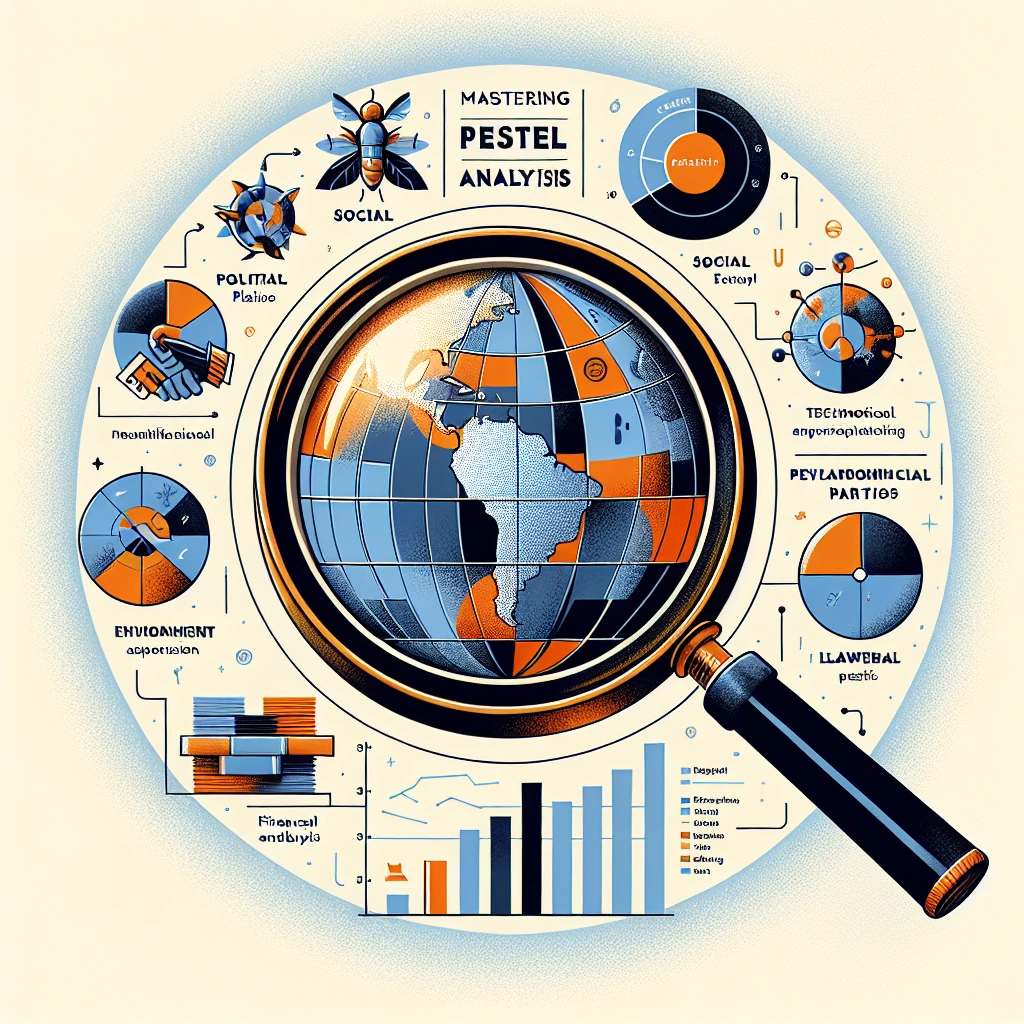
How is PESTEL Analysis used in Financial Analysis?
A PESTEL analysis is crucial in financial analysis as it assesses external factors affecting businesses. Identifying political factors like government stability can impact investments. Economic factors such as inflation affect profitability. Sociological factors like cultural trends influence consumer behavior. Technological factors such as disruptive innovations can impact market dynamics. Environmental factors like climate change affect industries like renewable energy. Legal factors such as regulations impact financial decisions.
Impact of PESTEL Analysis on Financial Decision Making
Political Factor Example: A change in government policies on taxation can impact companies’ financial strategies, requiring adjustments to maximize profits.
Economic Factor Example: Economic downturns can lead to decreased consumer spending, affecting revenue projections and investment decisions.
Sociological Factor Example: Shifting demographic trends can alter demand for products/services, influencing pricing strategies and market positioning.
Technological Factor Example: Rapid advancements in technology can create opportunities for investment in innovative solutions to gain a competitive advantage.
Environmental Factor Example: Heightened awareness of environmental sustainability can drive companies to invest in eco-friendly practices to meet consumer demands.
Legal Factor Example: Changes in regulatory requirements can pose compliance challenges, impacting financial planning and risk management strategies.
-ի տիրույթում ռազմավարական պլանավորում, mastering PESTEL analysis is vital for բիզնեսի հաջողություն. By comprehensively evaluating Political, Economic, Սոցիալական, Technological, Բնապահպանական, and Legal factors, ընկերությունները կարող են strategically position themselves for growth and sustainability.
When conducting a PESTEL analysis, դա էական է pay attention դեպի external influences that could impact a business’s operations. By examining քաղաքական կայունություն, տնտեսական ցուցանիշները, social trends, տեխնոլոգիական առաջընթացներ, environmental concerns, և legal regulations, կազմակերպությունները կարող են anticipate challenges and seize opportunities.
Maximizing business potential միջոցով PESTEL analysis involves more than just identifying factors; it requires գործունակ պատկերացումներ և strategic decisions. This analysis provides a ամբողջական հայացք -ի business environment and empowers companies to նվազեցնել ռիսկերը և capitalize on emerging trends.
A well-implemented PESTEL analysis enables businesses to proactively adapt to changes, նորարարել their products or services, և օպտիմալացնել their market positioning. By using this framework effectively, կազմակերպությունները կարող են առաջ մնա of competitors and նավարկել through dynamic market conditions successfully.
Ավելին, ինտեգրվելը PESTEL analysis մեջ ռազմավարական պլանավորում fosters a culture of foresight կազմակերպությունների ներսում. It encourages decision-makers to consider a broad spectrum of factors that could impact the business’s long-term viability և մրցունակություն շուկայում.
Վարպետություն PESTEL analysis is not merely about assessing external factors; մասին է խոսքը transforming insights մեջ strategic actions այդ քշել բիզնեսի աճ և կայունություն. By harnessing the power of this analytical tool, companies can navigate uncertainties հետ վստահություն և embrace opportunities հետ strategic agility.
🌟 Բացահայտեք իրական կապերը Anpip.com-ում! 🌟
Ready to expand your social network and find authentic relationships online? Նայեք ոչ ավելի, քան Anpip.com! Միացեք հիմա ուղիղ զրույցների համար, Զրուցարան, վիդեո զրույցներ, հոսքեր, և նույնիսկ նվերներ վաստակել! Սեղմեք այստեղ ավելին իմանալու և այսօր միանալու համար! 🚀 #FindYourTribe
Հաճախակի տրվող հարցեր
What questions should I ask in a PESTEL analysis?
Questions to ask during a PESTEL analysis include political, տնտեսական, սոցիալական, տեխնոլոգիական, legal, and environmental factors that may impact your organization.
What is the most important in PESTEL analysis?
The most important factors in PESTEL analysis are political, տնտեսական, սոցիալական, տեխնոլոգիական, legal, and environmental influences on the organization.
What are the challenges of PESTEL analysis?
Challenges of PESTEL analysis include data quality, հուսալիություն, բարդություն, and determining the scope of analysis for strategic planning.
How do you answer a PESTEL analysis question?
To answer a PESTEL analysis question, first carry out the initial analysis to identify the external factors influencing your organization.
What is PESTEL analysis examples?
PESTEL analysis examples include examining political, տնտեսական, sociological, տեխնոլոգիական, legal, and environmental factors affecting organizations.
How do you evaluate a PESTEL analysis?
To evaluate a PESTEL analysis, study key external factors like political, տնտեսական, sociological, տեխնոլոգիական, legal, and environmental factors influencing the organization.
What are the common errors in PESTEL?
Common errors in PESTEL analysis include maintaining narrow focus, neglecting input from others, and data availability, ճշգրտություն, validity issues.
Was versteht man unter der Pestel Analyse?
Die PESTEL-Analyse untersucht und untergliedert die auf ein Unternehmen wirkenden externen Einflussfaktoren in sechs Bereiche.
Was sind technologische Einflussfaktoren?
Technologische Einflussfaktoren umfassen Informationstechnologie, Kommunikationstechnologie, Logistik, Energieversorgung, Digitalisierung und Forschungsmittel.